
Witchweed
Striga aspera
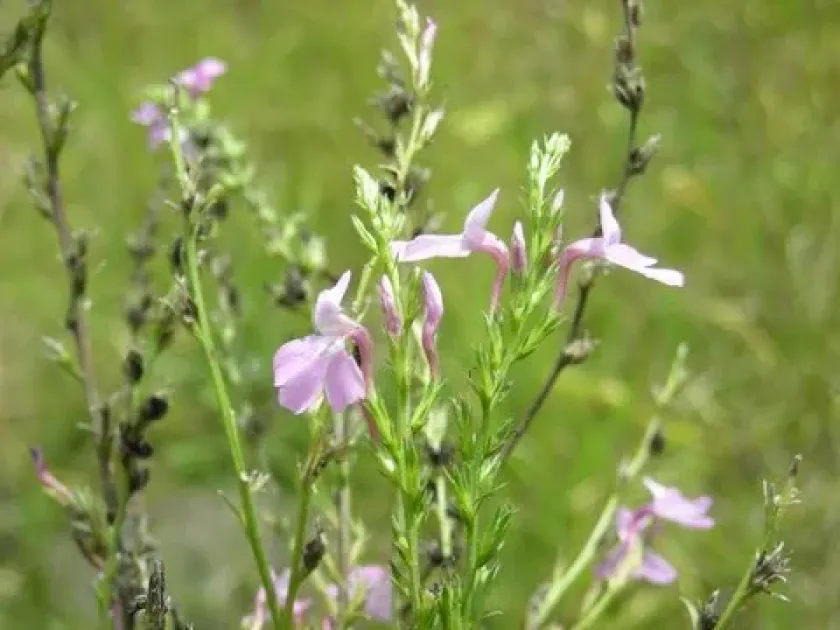
Description
Sowing dates
Striga aspera, commonly known as witchweed, is a devastating root hemiparasite that primarily targets important cereal crops including sorghum, maize, and millet.
Belonging to the Orobanchaceae family, this species has evolved a highly specialized mechanism to detect host plants through chemical exudates in the soil.
The seeds of this plant are microscopic and can remain dormant for many years until they detect the presence of host root-derived strigolactones.
As a non-crop species, it represents a significant biological threat to food security in regions where it is endemic, particularly in tropical Africa.
The parasitic relationship is established when the germinating seedling develops a haustorium, which physically bridges into the vascular system of the crop.
Growing requirements
The parasite thrives in low-fertility soils with poor nitrogen availability, where crops are already under physiological stress and less able to defend against infection.
Optimal environmental conditions for its proliferation are characterized by high temperatures and distinct dry and wet cycles common in semi-arid zones.
Striga aspera prefers well-drained, sandy soils that allow for easier penetration and connection to the root systems of host plants.
While it is an obligate parasite, it still performs photosynthesis once it emerges above ground, though the majority of its nutrients are extracted from the host.
It occupies the same ecological niches as major cereal crops, making it a persistent and difficult weed to eradicate from agricultural landscapes.
Main diseases and pests
Damage caused by this plant is severe, often leading to total crop failure due to the redirection of photosynthates and water away from the grain.
Integrated management is essential, involving the use of trap crops such as cotton or legumes that stimulate germination without supporting the parasite.
Hand-weeding is largely ineffective because much of the damage occurs underground, long before the parasitic plant blooms or produces seeds.
Development of resistant host varieties is currently the primary focus for researchers working on cereal protection in affected regions.
- Rotation with non-host crops.
- Application of nitrogen-rich fertilizers to suppress germination.
- Chemical control measures using specialized herbicides.