
Yellow rattle
Rhinanthus subulatus
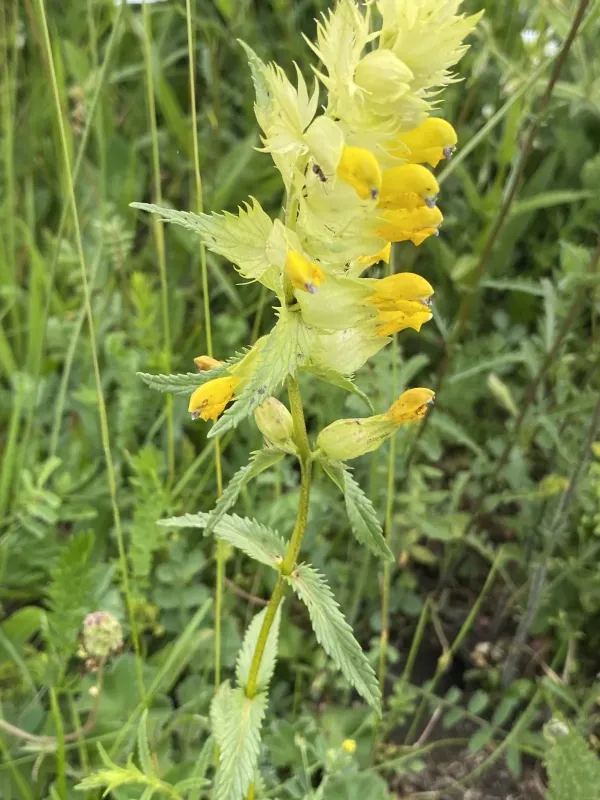
Description
Growing requirements
Yellow rattle (Rhinanthus subulatus) is an annual herbaceous plant belonging to the Orobanchaceae family. It is recognized as a facultative hemiparasite that attaches to the roots of neighboring host plants, primarily grasses, utilizing haustoria to extract nutrients and water.
The species is native to temperate zones across Eurasia. It thrives in various environments including damp grasslands, meadows, and forest clearings. The plant exhibits high adaptability to different soil types, ranging from sandy loams to heavier clay soils, provided that the soil moisture levels are adequate.
Light availability is a critical factor for the growth and development of this species. It prefers open, sunny habitats where it can maximize photosynthesis. In areas with dense vegetation, the plant's growth is significantly hindered due to shading and increased competition for essential resources.
In agricultural settings, Rhinanthus subulatus is often regarded as a weed that impairs the productivity of pasture and hay meadows. By parasitizing forage grasses, it reduces their biomass and nutritional value, which negatively impacts livestock production output and overall field yield.
The botanical structure includes a characteristic inflated calyx that surrounds the maturing seed capsule. This structure not only protects the seeds but also serves as a mechanism for dispersal, as the dried capsules rattle in the wind, facilitating the release of seeds onto the surrounding soil surface.
Main diseases and pests
The plant demonstrates significant resilience against many common agricultural pathogens. Its hemiparasitic nature provides a degree of protection, and it is rarely impacted by diseases that typically decimate crop yields, maintaining a healthy appearance even under moderate stress.
Few pests are known to specialize on this species, although some lepidopteran larvae may feed on the seed capsules. These interactions generally do not threaten the survival of the species at the population level, as the plant produces a high volume of seeds to compensate for loss.
Effective management relies on mechanical disruption of the plant's life cycle. Regular mowing before the seeds reach maturity prevents further dispersal and seed bank replenishment. This approach is highly effective in meadow management when performed consistently over several consecutive years.
Chemical control is rarely utilized due to the risk of collateral damage to desirable vegetation within the meadow ecosystem. Selective herbicides are generally not cost-effective, leading farmers to prefer preventative practices such as site maintenance and careful monitoring of grassland health.
Successful long-term control of the species requires a thorough understanding of its germination timing. Since the seeds require cold stratification to break dormancy, timing mechanical interventions in alignment with the plant's development stages is vital for reducing its spread in forage areas.