
Cow wheat
Melampyrum lineare
Description
Growing requirements
Cow wheat (Melampyrum lineare) is a fascinating herbaceous plant belonging to the Orobanchaceae family. It is classified as a hemiparasite, meaning it is capable of photosynthesis but supplements its nutrient intake by attaching to the roots of neighboring host plants through specialized structures called haustoria.
The native range of Melampyrum lineare primarily covers parts of North America, where it thrives in various forest types, ranging from coniferous to mixed woodlands. It shows a preference for acidic, moist soils and is often found in open areas, forest edges, and sandy clearings where sunlight penetration is sufficient for its photosynthetic processes.
Cultivation requirements for this species are complex due to its reliance on host plants. Because it requires a physical connection to the roots of other grasses, shrubs, or trees to complete its life cycle effectively, it is not grown as a standard agricultural crop. Its survival depends on the presence of a healthy, diverse ecosystem.
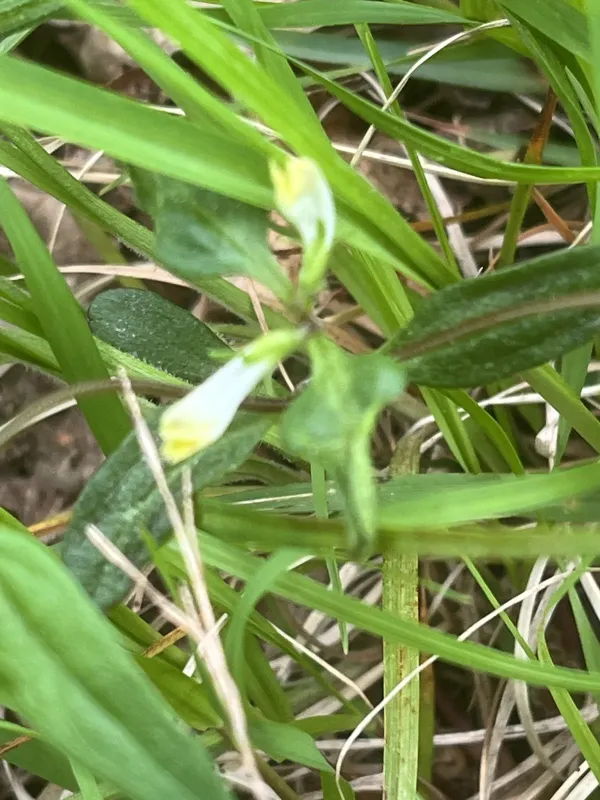
Botanically, the plant is characterized by its narrow, linear leaves and distinct, small yellow or white flowers. These features help the plant optimize its water usage and energy consumption. After flowering, it produces seed pods that are often harvested by ants, which play a crucial role in the seed dispersal and colonization of new areas.
In terms of хозяйственное (economic) utility, cow wheat does not hold agricultural importance for harvest or production. However, it is a significant component of natural meadows and forests, providing ecological value by interacting with other species and maintaining the complexity of the native plant community.
Main diseases and pests
The primary threats to Melampyrum lineare include changes in land management practices, such as heavy grazing and frequent mowing. These activities often destroy the plant before it reaches the reproductive stage, preventing the successful maturation of seeds and leading to a local decline in population density.
Pathogenic threats are mainly associated with soil-borne fungi that can infect the root system, especially under conditions of waterlogging or poor soil aeration. Since the plant is sensitive to these pathogens, its health can deteriorate rapidly in poorly drained environments, leading to wilting and stunted growth.
Pests are generally less of a problem for cow wheat, as the plant contains chemical compounds that deter most herbivores. However, specific insect species might still feed on the foliage, and while they rarely kill the plant outright, they can reduce the overall vigor and reproductive success of the individual specimen.
Environmental stressors like prolonged droughts can make the plant more vulnerable, as it struggles to maintain the osmotic balance needed to extract nutrients from its host. Soil compaction is another critical factor, as it impedes root growth and makes it difficult for the plant to find suitable hosts for attachment.
Conservation of Melampyrum lineare relies on protecting its natural habitat from intensive interference. By maintaining stable forest and meadow environments, researchers ensure that the symbiotic and parasitic relationships required for the plant's survival remain intact throughout its lifecycle.