
Italian cow-wheat
Melampyrum italicum
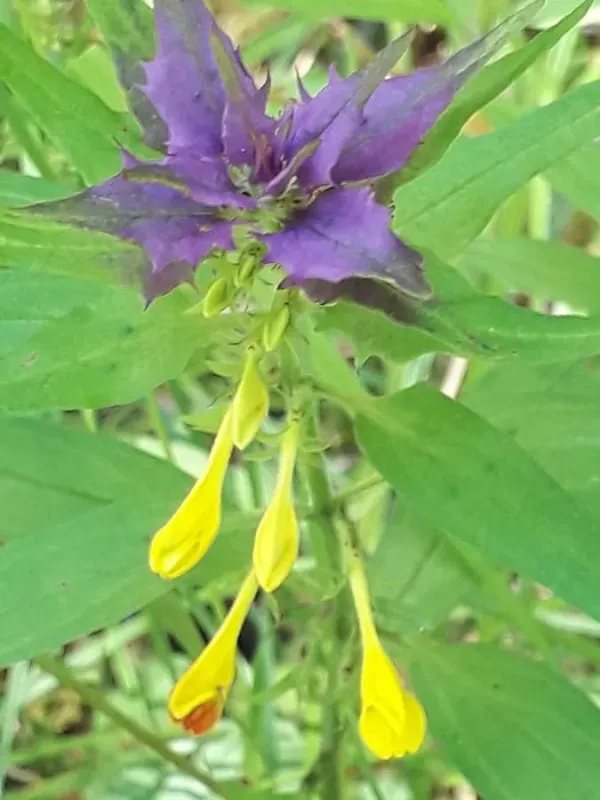
Description
Growing requirements
Italian cow-wheat (Melampyrum italicum) belongs to the Orobanchaceae family and is classified as a hemiparasitic annual plant. While it is capable of photosynthesis, it relies on haustoria to derive essential nutrients and water from the roots of host plants, which is a critical factor for successful agricultural development.
The native range of this species is primarily the Mediterranean basin, where it thrives in rocky or semi-arid environments. It is well-adapted to Mediterranean-type climates, characterized by warm, dry summers, and requires specific environmental cues for germination and peak growth.
In terms of light requirements, Italian cow-wheat is a heliophilic plant. It performs optimally in full sunlight. Reducing light intensity through dense canopy cover or poor site selection can lead to stunted growth and a significant drop in seed production.
Regarding soil preferences, the plant demands well-drained, porous soils. It is highly intolerant of waterlogging, which often leads to root collar rot. Maintaining proper soil aeration is essential for the longevity of the symbiotic relationship between the parasite and its host.
Agrotechnical management requires the establishment of a polyculture system. When sowing, it is vital to pair the plant with suitable host species, such as specific grasses or legumes, ensuring that the host root system is available for colonization by the cow-wheat at the seedling stage.
Main diseases and pests
Fungal pathogens, especially powdery mildew, represent the most significant threat to Italian cow-wheat. The development of white mycelium on leaves restricts photosynthetic capacity and often leads to premature senescence of the plant before seeds can mature.
Insects such as aphids and specialized leaf-eating larvae pose a constant threat during the flowering stage. These pests target the colorful bracts, potentially damaging the reproductive cycle and reducing overall field yields.
Root-parasitic nematodes can disrupt the delicate haustorial connection between the cow-wheat and its host. Such an occurrence is difficult to diagnose early but manifests as patches of yellowing, dying plants within the field.
Excessive humidity combined with warm temperatures creates ideal conditions for soil-borne pathogens. Managing the field’s microclimate through proper row spacing can help maintain adequate airflow and decrease the risk of fungal infections.
To preserve the health of the cultivation, growers must monitor the host plant vitality. A decline in the host plant's health invariably signals a failure of the parasitic relationship, leading to the collapse of the Italian cow-wheat population.