
Herbich's cow-wheat
Melampyrum herbichii
Description
Growing requirements
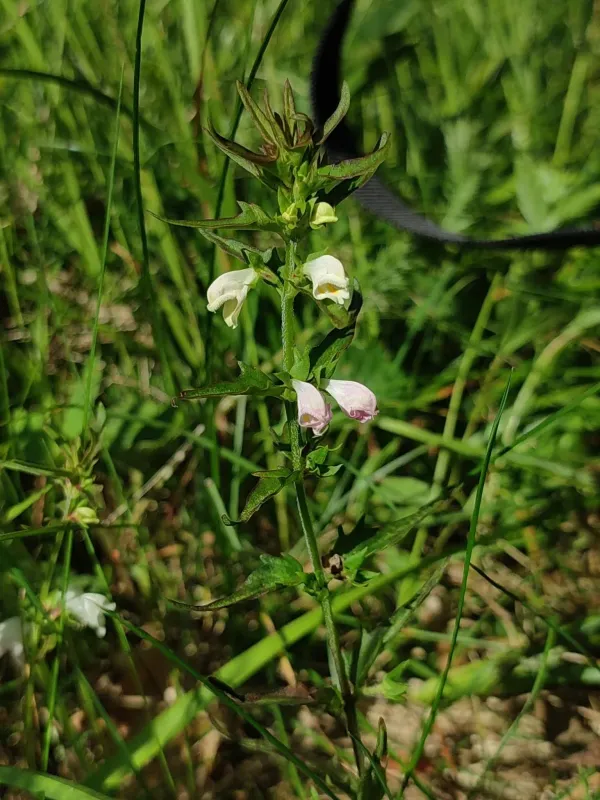
Herbich's cow-wheat (Melampyrum herbichii) is a member of the Orobanchaceae family. It is a distinct annual herbaceous plant characterized by its hemi-parasitic nature, which allows it to supplement its nutrient intake by attaching to the roots of host plants while performing photosynthesis.
The origin of this species is associated with the mountainous regions of the Eastern Carpathians. It is typically found in forest margins, clearings, and subalpine meadows, where it thrives in relatively untouched natural environments.
The plant has specific climatic requirements, preferring cool and humid mountain conditions. It is well-adapted to the sharp temperature fluctuations common at higher altitudes and requires consistent soil moisture to complete its reproductive cycle.
Regarding soil, it prefers organic-rich forest substrates with a slightly acidic to neutral pH. Proper soil aeration is essential for the development of its root system, which must interact with the rhizosphere of neighboring host species.
Agricultural use for this plant is non-existent. It is regarded as a botanical rarity rather than a crop, and its presence in ecosystems is primarily valued for biodiversity conservation and its role in plant-community interactions.
Main diseases and pests
The main threats to Herbich's cow-wheat are driven by environmental degradation and the loss of pristine mountain habitats. Climate change, which alters the seasonal moisture availability, poses a long-term risk to its survival.
Fungal pathogens represent the primary biological threat, causing leaf spots and stem rot during prolonged periods of damp, stagnant air. These conditions weaken the plant's ability to produce seeds effectively.
Herbivorous insects, including specialized species that feed on plants within the Orobanchaceae family, may cause localized damage. However, in healthy ecosystems, these interactions are considered a natural part of the species' population regulation.
Grazing pressure is a significant factor in areas where livestock management is intensive. The trampling of delicate alpine vegetation can eliminate entire populations of this sensitive plant species.
Conservation efforts currently focus on habitat protection rather than direct intervention. Monitoring populations helps to ensure that human activities do not disrupt the delicate balance required for its growth.