
Crested cow-wheat
Melampyrum cristatum
Description
Growing requirements
Crested cow-wheat (Melampyrum cristatum) is an annual herbaceous plant belonging to the Orobanchaceae family, functioning as a facultative hemiparasite.
This plant is not categorized as an agricultural crop, as it serves no commercial purpose in farming and is typically found in natural or semi-natural grasslands.
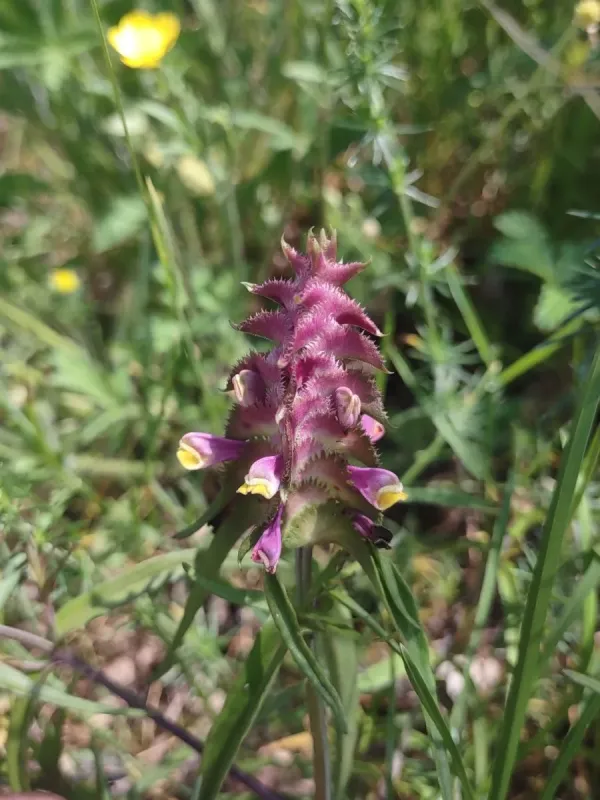
Botanically, it is distinguished by its unique dense, four-sided spike-like inflorescences protected by purple-tinged, comb-like bracts.
The plant is native to a broad range of European habitats, favoring sunny meadows, woodland edges, and habitats with moderate soil moisture.
Growth depends on its ability to attach to the root systems of host plants using haustoria to supplement its nutrient intake through photosynthesis.
Main diseases and pests
In the context of land management, the species is often treated as a weed or a non-desirable plant in high-value forage meadows and pasturelands.
Mechanical control through early mowing is the most effective way to prevent seed dispersal and reduce the population density in managed areas.
It remains susceptible to various fungal pathogens that thrive in humid environments, which can cause significant tissue necrosis during the flowering stage.
Insect herbivory on the bracts and seed pods can restrict the plant's spread, although these insects are rarely considered beneficial in an agricultural sense.
Good soil structure and high fertility management favor dominant grasses over this hemiparasite, effectively restricting its establishment in modern fields.