
Bihar cow-wheat
Melampyrum bihariense
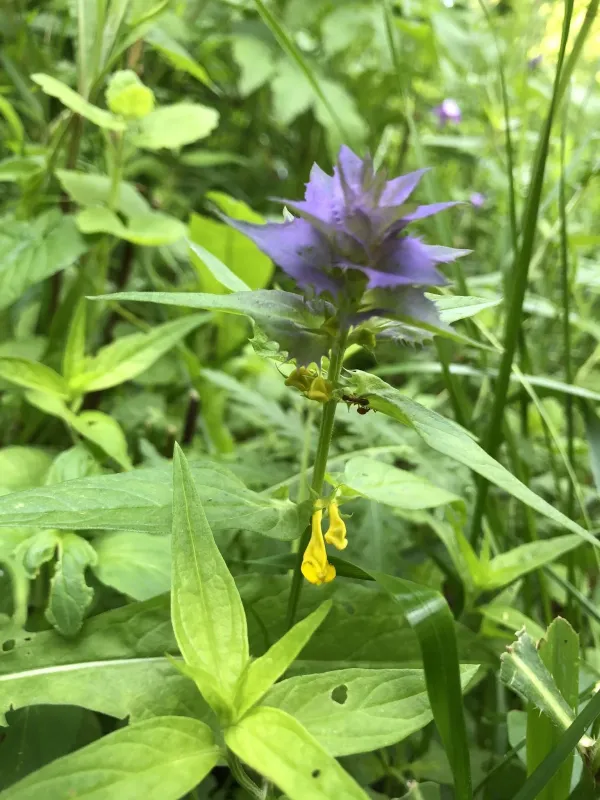
Description
Growing requirements
Bihar cow-wheat (Melampyrum bihariense) is a herbaceous plant belonging to the Orobanchaceae family. It is recognized as a hemiparasite, meaning it derives partial nourishment from the roots of neighboring plants while remaining capable of photosynthesis.
The species primarily originates from Central and Eastern European mountainous regions. It prefers moist, nutrient-rich meadows and forest edges where soil conditions remain stable throughout the spring and summer months.
Botanically, it displays characteristic upright stems and lanceolate leaves. The presence of chlorophyll distinguishes it from holoparasites, allowing it to supplement the nutrients absorbed from its hosts with energy derived from light.
Climate requirements include a preference for temperate conditions with moderate rainfall. It thrives in soils that are not excessively compacted, as it relies on aerobic soil conditions for effective root interaction with its host plants.
Economically, this plant does not have significant agricultural use as a crop, but it plays a role in local biodiversity as a component of wild meadow communities, often serving as a food source for pollinators.
Main diseases and pests
Major threats to Bihar cow-wheat include the loss of habitat due to land reclamation and the intensive grazing practices that can destroy its above-ground parts before seed production.
The plant is susceptible to various fungal pathogens, such as powdery mildew, which can significantly reduce its biomass in densely populated, humid areas.
Insect pests, including aphids and specific beetles, often target the flowers and vegetative shoots, hindering the reproductive cycle and natural spread of the species.
Environmental factors, such as chemical contamination of the soil, can directly impact the plant's ability to establish symbiotic or parasitic connections with its primary hosts.
Conservation strategies focus on preserving the natural meadow ecosystems where this species occurs, ensuring that soil and humidity levels remain within the parameters conducive to its growth.