
Korean agrimony
Agrimonia coreana
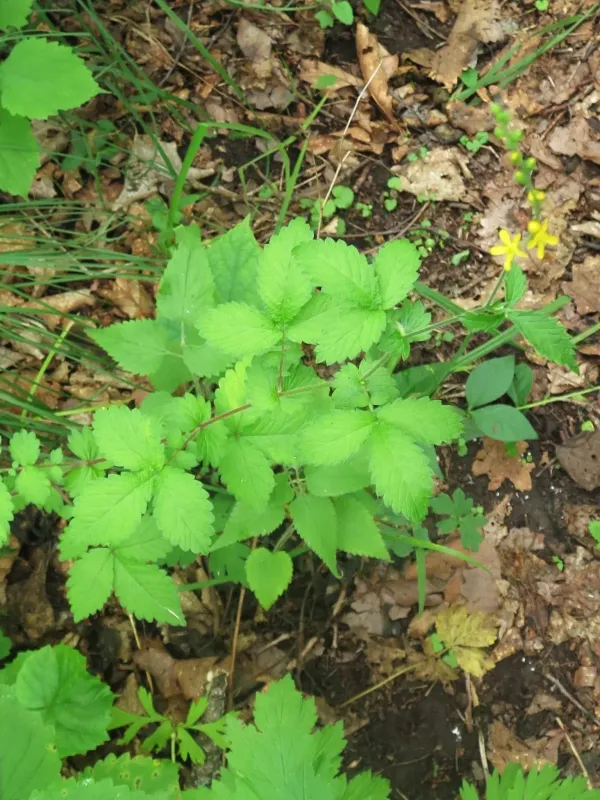
Description
Growing requirements
Korean agrimony (Agrimonia coreana) is a perennial herbaceous plant belonging to the Rosaceae family, native to regions of East Asia, particularly Korea and neighboring areas.
The plant thrives in well-drained, fertile soil with a neutral pH, and it requires careful site selection to avoid areas prone to waterlogging, which can cause root rot.
Full sun exposure is crucial for the optimal development of the plant's secondary metabolites, although partial shade can be tolerated in extremely hot climates.
In terms of climatic conditions, this species prefers moderate temperatures and consistent moisture throughout the growing season to ensure robust stem development.
Modern cultivation practices involve regular weeding and the application of balanced organic fertilization to support consistent biomass production for industrial harvest.
Main diseases and pests
Diseases such as powdery mildew represent the primary threat to Agrimonia coreana, especially in dense planting conditions with poor air circulation.
Pest pressures include aphids and specific mite species that can damage foliage, reducing the overall quality of the harvested medicinal raw material.
Effective management includes maintaining optimal plant density and applying environmentally friendly pest control agents as soon as signs of infestation are noted.
Crop rotation protocols should be strictly followed to prevent the accumulation of soil-borne pathogens in the agricultural site over several years.
Manual removal of heavily infected plants is recommended to stop the rapid spread of fungal spores during humid weather conditions.
Harvesting
Harvesting should be conducted during the peak flowering stage to capture the highest concentration of tannins and flavonoids present in the aerial parts of the plant.
Plants are typically cut at the base of the flowering stem, ensuring that the roots remain undisturbed to allow for the plant to return in the following season.
Post-harvest processing involves drying the plant material in thin layers under controlled temperatures to ensure the preservation of bioactive compounds.
Quality control during drying is essential, as excessive heat can lead to the loss of volatile oils, which are critical for the plant's medicinal value.
Once dried, the product is stored in climate-controlled warehouses to prevent degradation caused by moisture, light, or temperature fluctuations.