
Moringa stenopetala
Moringa stenopetala
Description
Sowing dates
Moringa stenopetala is primarily propagated through seeds, which are sown directly into the soil or pre-germinated in nurseries. The ideal time for sowing is at the beginning of the rainy season, ensuring that young seedlings have sufficient moisture to establish a strong root system.
The seeds demonstrate high germination rates but require loose, well-drained soil for optimal growth. When using nursery techniques, seedlings are transplanted to their permanent locations once they reach a height of 30–50 cm, which typically occurs two to three months after sowing.
A crucial factor during sowing is maintaining appropriate spacing between plants, usually ranging from 2 to 3 meters, to provide adequate space for development. Planting density varies based on the intended use: high-density planting is often used for biomass production, while wider spacing is preferred for seed yield.
The crop grows rapidly during the initial development stage, provided that consistent irrigation is maintained. In arid environments, pre-soaking seeds in water is a recommended practice to speed up germination and improve the uniformity of the crop stand.
Planting sites must be protected from strong winds and must not be prone to waterlogging, as the roots are highly sensitive to excessive moisture. Adhering to these sowing techniques is fundamental for growing a robust, stress-resistant mature tree.
Growing requirements
Moringa stenopetala is a tropical tree from the Moringaceae family, native to the arid regions of Ethiopia and Kenya. It is perfectly adapted to hot and dry climates, exhibiting exceptional resistance to long periods of drought.
The tree thrives in sunny locations and withstands high temperatures, maintaining its productivity even under extreme heat stress. The best climatic conditions for its cultivation are semi-arid regions with an annual rainfall range of 200 to 500 mm.
The crop is relatively undemanding regarding soil fertility, but it performs best in light, well-drained loamy or sandy soils with a neutral to slightly alkaline pH. It is important to avoid areas with heavy clay soils, as these present a high risk of root rot due to poor drainage.
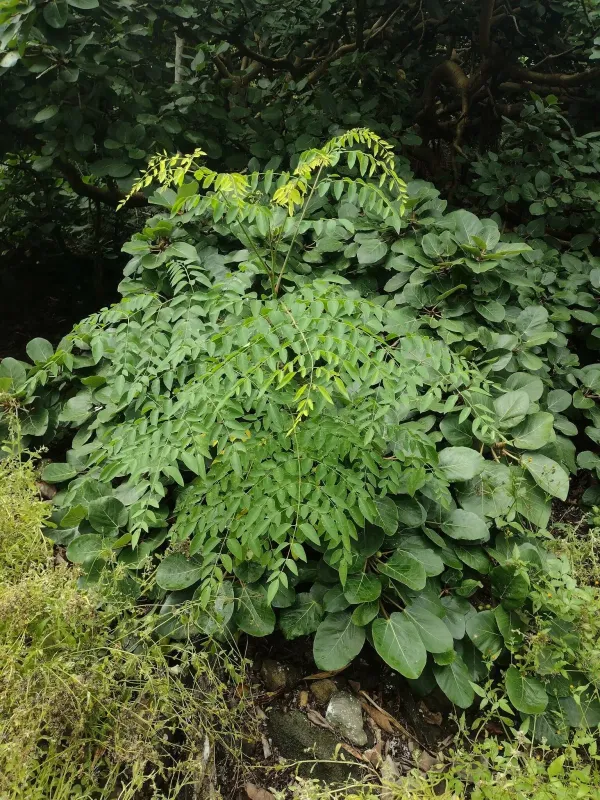
In its natural habitat, the tree can grow up to 10–12 meters in height, possessing a characteristically thickened trunk that acts as a water reservoir. This unique biological adaptation allows the species to thrive in environments where other agricultural crops would perish.
Optimal growth temperatures range from +20 to +35 degrees Celsius. Although the tree can withstand short-term temperature fluctuations, it is sensitive to frost, which limits its cultivation to frost-free regions across the globe.
Yield
The yield of Moringa stenopetala depends on the specific goals of the farmer: harvesting leaves for nutritional purposes or collecting seeds for oil extraction. Leaves can be harvested as early as 6 to 9 months after planting, making it a fast-maturing crop.
Regular pruning stimulates active branching, which significantly increases the total volume of leafy biomass. With proper management, plantations can yield multiple harvests of leaves per year, providing a consistent supply of food or fodder.
Seeds develop within long pods that appear on the tree a few years after planting. While the seed yield is lower than that of leaf biomass, it is highly valued for the oil content, which is used in both culinary and cosmetic applications.
The overall biomass produced by the tree makes it a valuable feed source for livestock in arid regions where grazing land is limited. As a result, this species is considered a strategic asset for sustainable livestock farming in harsh environments.
To maintain consistent yields, annual sanitary pruning is advised. This practice not only rejuvenates the tree but also facilitates easier access for laborers during the harvesting process, improving overall operational efficiency.
Main diseases and pests
Moringa stenopetala is considered a highly resilient crop; however, it can be susceptible to various pests and diseases if agronomic practices are neglected. The most common threats are larvae and caterpillars that feed on the leaves, potentially reducing the plant's photosynthetic capacity.
Root rot represents the most significant danger to young seedlings, especially in conditions of over-irrigation or poor soil drainage. This infection is typically caused by fungal pathogens that thrive in damp, poorly aerated substrates.
Pests such as aphids and spider mites may appear during dry seasons if preventive care is not taken. For management, it is recommended to use environmentally friendly methods, including insecticidal soaps or biological control agents, to maintain organic status.
Mechanical damage to the trunk or branches can create entry points for secondary infections, so caution should be exercised during routine maintenance. A healthy, well-nourished tree possesses a strong natural defense system against most regional pathogens.
Regular monitoring of the plantation allows for the early detection of disease outbreaks and prevents their spread. Overall, the inherent robustness of this species makes it a reliable choice for organic farming in challenging climate zones.
Harvesting
Leaf harvesting is performed manually, allowing farmers to select the most tender and nutritious young shoots for consumption. Pruning branches during harvest encourages a more compact growth habit, which is beneficial for the tree's long-term health.
Seed pods are harvested once they turn brown and lose their moisture content. It is critical to harvest them before they open naturally on the tree, as this prevents the loss of valuable seeds that can scatter easily in the wind.
After collection, seeds must be dried in the shade to reach a low moisture content, which is essential for safe storage. Proper drying prevents the growth of mold and maintains high seed viability for the next planting season.
Harvested leaf material can be consumed fresh or processed into a powder. Moringa leaf powder is a nutrient-dense product that can be stored for long periods without losing its essential vitamins and minerals, serving as an excellent food supplement.
Harvesting operations should be carried out with care to avoid damaging the main structural branches of the tree. A rational approach to harvesting ensures the longevity of the plantation, allowing for decades of productive use.