
Moringa peregrina
Moringa peregrina
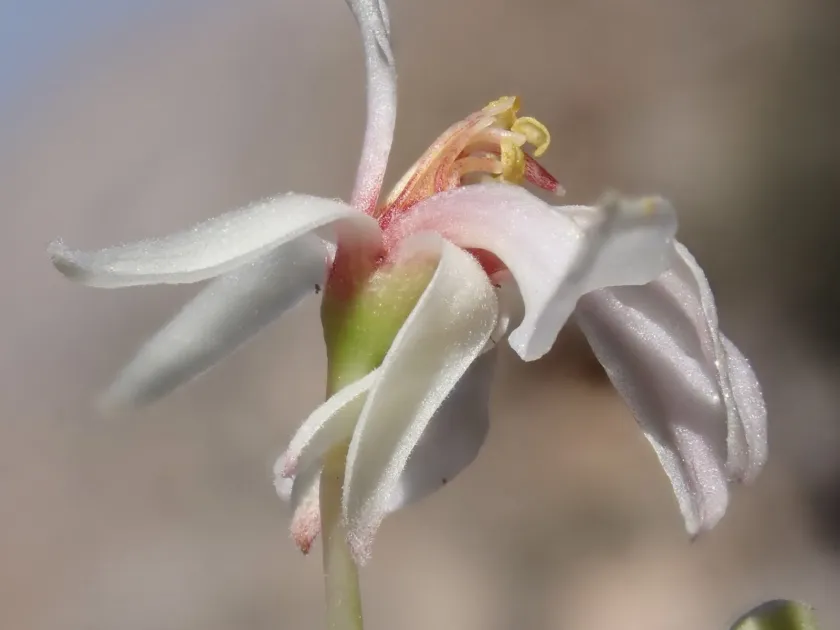
Description
Sowing dates
The propagation of Moringa peregrina is typically initiated through seeds, which should be planted during the warm season to ensure rapid germination and root development. Given its native arid habitats, timing the sowing with the onset of favorable moisture conditions is critical for establishing seedlings.
Seeds are often pre-treated by soaking in water to soften the seed coat and improve germination rates. They are planted in well-draining soil at a depth of 1 to 2 centimeters, ensuring they are protected from direct erosion while allowing the emerging shoot to reach the surface efficiently.
Nursery propagation is a recommended practice, where seedlings are raised in containers until they reach a robust size of 30-50 centimeters. This phase allows for careful management of the substrate and light, protecting young plants from potential environmental stresses during their most vulnerable stage.
When transplanting into the field, it is vital to keep the root system intact. The taproot of Moringa peregrina is central to its survival, and any damage during the transplanting process can significantly impede the tree's growth and ability to forage for water in deeper soil layers.
Spacing between trees in plantation settings should be maintained at least 3 to 4 meters apart to provide adequate space for root expansion and crown development. Sufficient spacing is essential to minimize intra-species competition for resources in nutrient-poor environments.
Growing requirements
Moringa peregrina belongs to the family Moringaceae and is a species uniquely adapted to the harsh conditions of the Middle East and East Africa. It is a drought-tolerant, deciduous tree that plays a vital role in desert ecosystem restoration and sustainable agroforestry.
The species thrives in well-drained, sandy, or rocky soil conditions. It exhibits a high intolerance to waterlogged soils, which promote root rot. The soil structure must facilitate excellent aeration, as the root system requires consistent oxygen availability to maintain health.
Moringa peregrina is a heliophilic (sun-loving) plant that requires full, direct sunlight throughout the day to sustain its photosynthetic processes. Any shading from nearby structures or larger vegetation will inevitably lead to stunted growth and reduced reproductive output.
The plant is highly resilient to high temperatures, easily enduring extreme heat typical of its native range. It is, however, sensitive to freezing conditions, and protection against frost is necessary in cooler climates to prevent tissue damage and potential mortality.
Regarding agricultural maintenance, Moringa peregrina is relatively low-input. Once established, it requires little fertilization, as it is efficient in extracting minerals from the soil. Focus should remain on maintaining soil integrity and preventing erosion around the base of the tree.
Yield
The primary agricultural output of Moringa peregrina is its seed, which is processed to extract a high-value, stable oil. This oil is highly regarded for its cosmetic, culinary, and medicinal applications, often fetching a premium price in international markets.
A mature tree can produce several kilograms of seed pods annually, provided that the tree receives sufficient nutrients and is not subjected to severe environmental stress during the flowering and fruit-setting stages of the reproductive cycle.
Harvesting is a manual process, as the pods mature unevenly across the tree. It is essential to harvest the pods just before they split open to avoid the loss of seeds. The harvested pods are then cleaned and sun-dried to ensure long-term stability of the seed quality.
Besides seeds, the tree's leaves are increasingly valued for their nutritional profile. Although primary harvesting focuses on oil production, dual-purpose farming systems are becoming more popular to maximize the economic return per tree in arid land conditions.
Post-harvest management is crucial for the oil extraction industry. Proper storage of seeds in cool, dry conditions prevents the degradation of fatty acids, ensuring that the oil produced meets the required quality standards for premium markets.
Main diseases and pests
Fungal pathogens associated with overly moist soil conditions represent the most significant threat to the health of Moringa peregrina. These pathogens often target the root system, causing decay that can rapidly spread to the trunk and kill the tree if left untreated.
Pests, particularly aphids, caterpillars, and mites, may infest young leaves and stems, leading to defoliation and reduced photosynthetic capacity. Integrated pest management strategies, such as biological control and routine monitoring, are recommended to maintain plant vitality.
Weed management in the early stages of establishment is important to reduce competition. Weeds can harbor insects and compete for moisture, both of which can compromise the growth rates of young Moringa trees during their initial years in the field.
Disease management focuses largely on preventive cultural practices. Ensuring proper drainage, adhering to recommended spacing, and conducting regular sanitation by removing dead or infected wood from the tree crown are effective strategies to prevent the spread of diseases.
While the tree is exceptionally hardy, it is not immune to environmental pressures. Adverse climatic events, such as prolonged flooding or unseasonal cold snaps, can weaken the tree's immune system, making it more susceptible to secondary infestations by common pests.