
Warsaw linden
Tilia varsaviensis
Description
Growing requirements
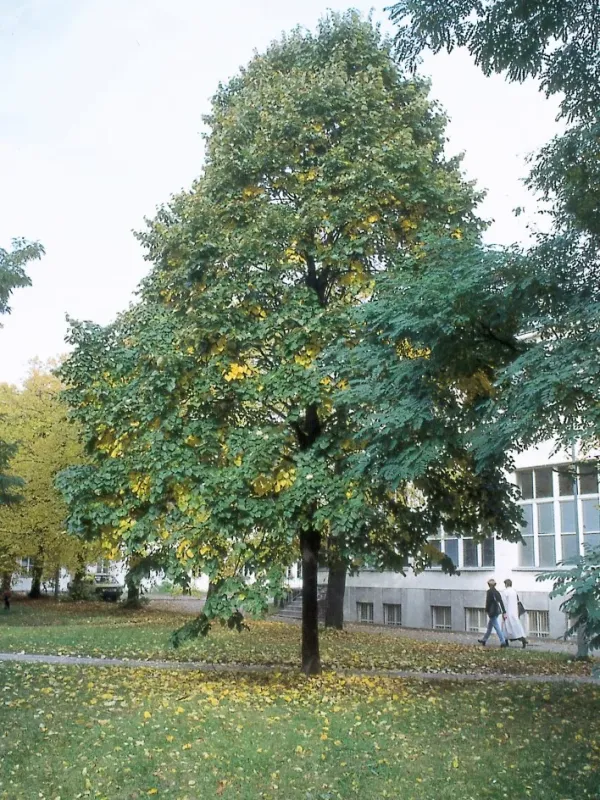
The Warsaw linden (Tilia varsaviensis) is a specialized hybrid form belonging to the Malvaceae family. It is widely recognized for its high ornamental value and suitability for urban planning and sophisticated landscape design projects.
This species thrives in nutrient-rich, moist, and well-drained loamy soils. It requires optimal soil aeration and is sensitive to heavy compaction, which can impede root development and overall vitality of the tree in harsh urban settings.
Regarding climate, the tree is well-adapted to temperate regions, displaying significant winter hardiness once established. However, young specimens require protection during their first few years to ensure they withstand fluctuating seasonal temperatures.
Standard horticultural practice involves regular irrigation during drought periods and careful structural pruning in late winter or early spring. Consistent application of organic mulch around the base helps retain soil moisture and temperature balance.
The primary use of Tilia varsaviensis is in urban greening, where it acts as a resilient shade tree. Beyond its aesthetic appeal, it is highly valued by beekeepers as a late-season nectar source that supports local pollinator populations.
Main diseases and pests
Typical threats include leaf beetles and scale insects, which can cause significant aesthetic damage to the canopy. Monitoring for early signs of infestation is critical for maintaining the health and appearance of the tree throughout the summer.
Fungal diseases such as leaf spot are common in humid conditions with poor air circulation. Regular sanitary pruning and the application of preventive fungicides are recommended to mitigate these risks and ensure the tree remains robust.