
Rhizoma peanut
Arachis glabrata Benth.
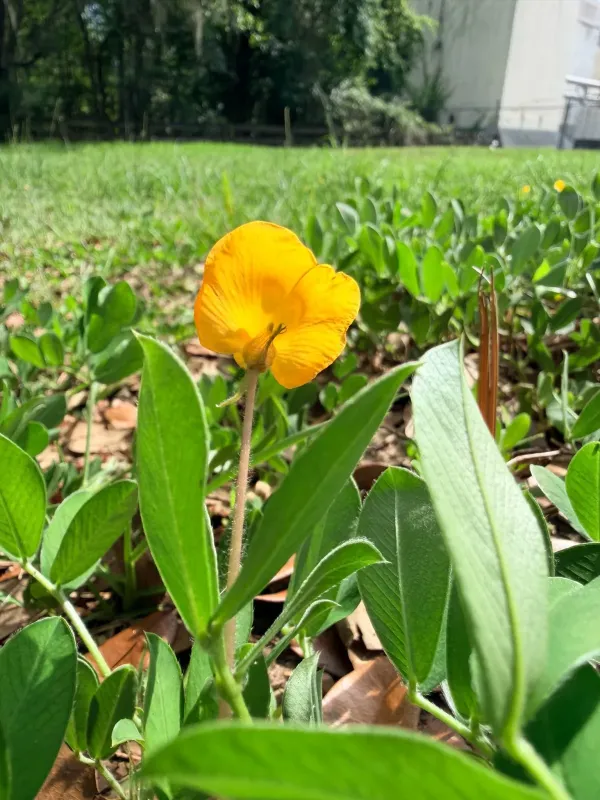
Description
Sowing dates
Rhizoma peanut is a perennial legume that is typically established through vegetative propagation because viable seed production is extremely low.
Planting involves spreading rhizomes or sod pieces into well-prepared soil, usually at the beginning of the wet season to ensure survival.
The optimal time for establishment is early spring, as warmer temperatures significantly boost the development of underground root structures.
Sufficient spacing is required to allow the plant to spread effectively, as it forms a dense mat over time through its subterranean stolons.
Maintaining adequate soil moisture during the first few weeks after planting is critical to ensure successful rooting and future growth.
Growing requirements
As a member of the Fabaceae family, this species is highly valued for its exceptional ability to thrive in various soil types, including sandy and infertile soils.
It is remarkably drought-tolerant once established, making it a reliable forage source in regions with unpredictable rainfall patterns.
Rhizoma peanut performs best in full sunlight; while it can tolerate some shade, its growth rate and biomass production are significantly reduced.
The plant adapts well to a wide range of soil pH levels and is notably resistant to the pests and diseases that often affect other legume species.
It is specifically adapted to subtropical and tropical climates and requires well-drained soils to prevent root rot during periods of heavy precipitation.
Yield
The primary use of Rhizoma peanut is for livestock grazing and the production of high-quality hay, which is highly palatable to cattle and horses.
The forage provides excellent nutritional value, being rich in protein and digestible fibers, which supports healthy weight gain in livestock.
Its deep root system allows it to form a dense sod that is highly resistant to heavy grazing and trampling by animals in pasture settings.
Unlike annual forage crops, this perennial species remains productive for many years, providing a consistent and sustainable feed source.
Productivity is further enhanced by its ability to fix atmospheric nitrogen, which benefits the overall soil health and reduces the need for synthetic fertilizers.
Main diseases and pests
Rhizoma peanut is generally very resistant to common diseases, which is a major advantage for sustainable agricultural management practices.
Weed competition poses the greatest threat during the establishment phase, as the plant grows slowly until it forms a complete canopy.
While insect pests such as caterpillars may cause localized damage, they rarely reach levels that threaten the entire stand of the crop.
Fungal leaf diseases may appear under conditions of excessive humidity or poor aeration, particularly if the stand is allowed to grow too thick.
Proper grazing management is essential to prevent overgrazing, which can weaken the rhizome reserves and allow invasive weeds to take over the field.
Harvesting
When harvested for hay, the crop should be cut during the early bloom stage to maximize the nutrient concentration in the harvested biomass.
Cutting equipment must be set to avoid damaging the underground rhizomes, ensuring the plants can regenerate quickly after the harvest.
The crop is known for its rapid regrowth capacity, often allowing for multiple hay cuts within a single growing season under favorable conditions.
Effective curing methods in the field are necessary to maintain the nutritional quality and color of the hay, which adds to its market value.
Careful management of the harvest cycle contributes to the long-term vigor of the stand, ensuring that it remains productive for decades.