
Plukenetia corniculata
Plukenetia corniculata
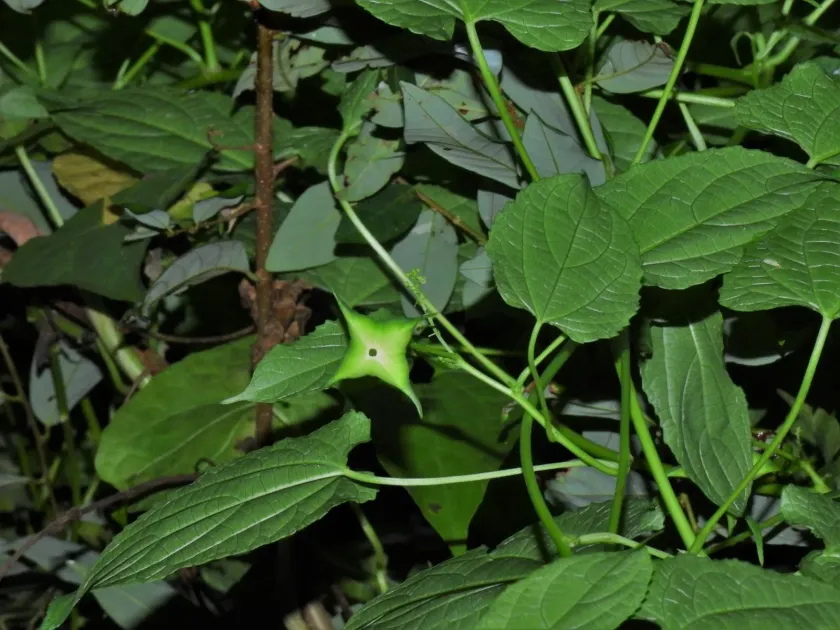
Description
Sowing dates
Plukenetia corniculata is a climbing plant native to Southeast Asia, belonging to the Euphorbiaceae family. It is increasingly recognized for the high nutritional value of its seeds, which are rich in essential fatty acids and specialized botanical compounds.
The cultivation process begins with selecting a site with high thermal stability, as the plant is sensitive to cold temperatures. Sowing is typically performed at the onset of the rainy season to ensure the seedlings receive adequate moisture for initial establishment.
Seeds are sown at a depth of 3 to 5 cm in well-drained, fertile soil. Given the vigorous growth habit of the vine, adequate spacing is essential to prevent overcrowding and to ensure that each plant has sufficient access to sunlight and air circulation.
As a perennial crop, proper long-term planning is required. The installation of sturdy trellis systems is mandatory, as it allows the vines to climb vertically, which is crucial for maximizing light exposure and improving overall crop health.
Early maintenance involves weed control and the application of organic amendments to stimulate root development. Establishing a strong base in the first few months is the foundation for successful long-term production of these oil-rich seeds.
Growing requirements
This species thrives in tropical climates characterized by consistent warmth and high annual rainfall. It performs best in areas where humidity levels remain relatively stable, as drastic fluctuations can stress the plant and reduce flowering.
Soil requirements focus on fertility and drainage. While the plant can adapt to various soil types, it strongly prefers sandy loams that allow roots to penetrate easily without becoming waterlogged, which is a major risk factor for root diseases.
Light intensity is a critical driver of photosynthesis. In open fields, providing optimal sunlight while ensuring the plants are supported on trellises is the most efficient way to manage the vegetative mass and promote uniform ripening of the seed pods.
Water management is crucial during the active growing season. The soil should be kept moist but never saturated. Implementing mulching techniques can help regulate soil temperature and moisture levels, protecting the plant from the effects of intermittent dry spells.
Regular monitoring of soil pH is also recommended, as the plant prefers slightly acidic to neutral soil conditions to effectively uptake necessary micronutrients from the growing medium.
Yield
The primary economic output is the seed, which contains a high percentage of valuable vegetable oil. This oil is highly sought after for its potential health benefits, including high concentrations of omega-3 fatty acids, making it a premium product in the market.
Yield potential is dependent on the age of the plantation and the quality of horticultural practices applied. Generally, the plant reaches peak productivity after two to three years, requiring consistent pruning to maintain optimal fruiting sites.
The harvest must be timed precisely when the pods turn brown and start to become brittle. Delaying harvest can result in natural dehiscence, where pods crack open and drop the seeds, causing significant field losses.
After extraction, the oil undergoes cold pressing to preserve its delicate chemical composition. The remaining seed cake is an excellent source of protein, which can be utilized as a high-quality ingredient in specialized animal feed formulations.
Sustainable production systems often combine Plukenetia corniculata with other crops to optimize land use. Efficient harvesting protocols ensure that the quality of the seeds remains high, maintaining the integrity of the bioactive components within the oil.
Main diseases and pests
Root rot is the most significant disease affecting this species, often caused by poor drainage and excessive irrigation. Proper land management, including the construction of raised beds, is an effective way to mitigate this threat.
Leaf spot diseases can arise in humid environments with poor air circulation. Thinning out the canopy through strategic pruning helps to improve airflow and significantly reduces the incidence of fungal pathogens that target the foliage.
Pests such as spider mites and aphids are known to target young shoots and leaves. In high-density plantations, these insects can spread rapidly, warranting the need for careful monitoring and the use of integrated pest management strategies.
Ecological health is paramount, so the use of biological control agents is encouraged over harsh chemical insecticides. Protecting natural predators can often maintain pest populations below the economic threshold of damage.
Early identification of pest infestations during the seed pod development stage is vital. Protecting the reproductive parts of the plant ensures that the final harvest is free from damage and secondary infections.
Harvesting
Manual harvesting is the standard procedure for Plukenetia corniculata, as the vines are delicate and pods do not always ripen uniformly. This selective approach allows farmers to collect only the most mature and healthy pods.
Following harvest, pods are subjected to a post-harvest drying process in a well-ventilated area protected from direct rain. During this period, the pods naturally open, which makes the mechanical removal of seeds a simpler and more efficient task.
The cleaned seeds must be stored in cool, dark environments to prevent the degradation of polyunsaturated fats. Avoiding exposure to direct light is essential to prevent the oil from turning rancid during long-term storage.
Proper moisture control is necessary for maintaining seed quality. Seeds should be dried to a specific moisture percentage before being packaged in airtight containers to prevent fungal contamination and extend shelf life.
Adhering to high-quality post-harvest practices ensures that the final oil product meets international standards, preserving its health-promoting properties for various commercial applications in the food and cosmetic industries.