
Forsellesia
Forsellesia
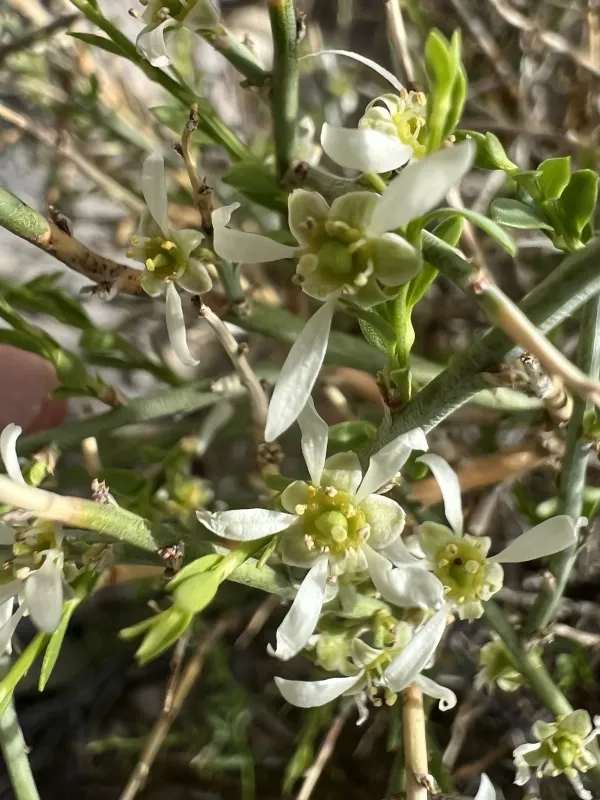
Description
Growing requirements
Forsellesia is a genus of evergreen shrubs belonging to the Celastraceae family. These plants are biologically adapted to survive in harsh, arid, and rocky environments, demonstrating remarkable resilience in poor soil conditions.
The culture thrives in well-drained, sandy, or stony soils. It is highly intolerant of waterlogging, which can cause rapid root decay. Sufficient sunlight is essential for the plant to maintain its structural integrity and health.
Forsellesia prefers climates with high daytime temperatures and low relative humidity. It has evolved to extract moisture from deep soil layers, making it an excellent candidate for regions prone to drought or soil erosion.
In agricultural settings, the plant requires minimal input in terms of fertilization, as it is adapted to nutrient-deficient soils. Excessive fertilization often leads to succulent growth that is more susceptible to environmental stress and pests.
Strategic planting of Forsellesia is often used in land reclamation and slope stabilization projects. Its deep-reaching root system provides significant structural support to unstable terrain in semi-arid zones.
Main diseases and pests
The primary threats to Forsellesia are root-borne fungal diseases, which are typically caused by stagnant water in the rhizosphere. Proper soil drainage is the most effective measure to prevent these occurrences.
Pest pressure is frequently dominated by scale insects and spider mites, which thrive in dry air conditions. These pests target the phloem of young shoots, causing stunted growth and significant yellowing of the leaves.
Early detection of pest infestation is crucial for effective management. Monitoring programs should focus on leaf undersides and the base of new growth, where these organisms often congregate before migrating.
Fungal leaf spots can occasionally develop during periods of high humidity or poor air circulation. Improving spacing between plants and ensuring adequate airflow can significantly mitigate these risks.
Chemical control should be applied sparingly, targeting specific stages of the pest life cycle. Always adhere to local agricultural regulations when applying systemic treatments to protect the plant from recurring infestations.