
Chlamydomonas
Chlamydomonas
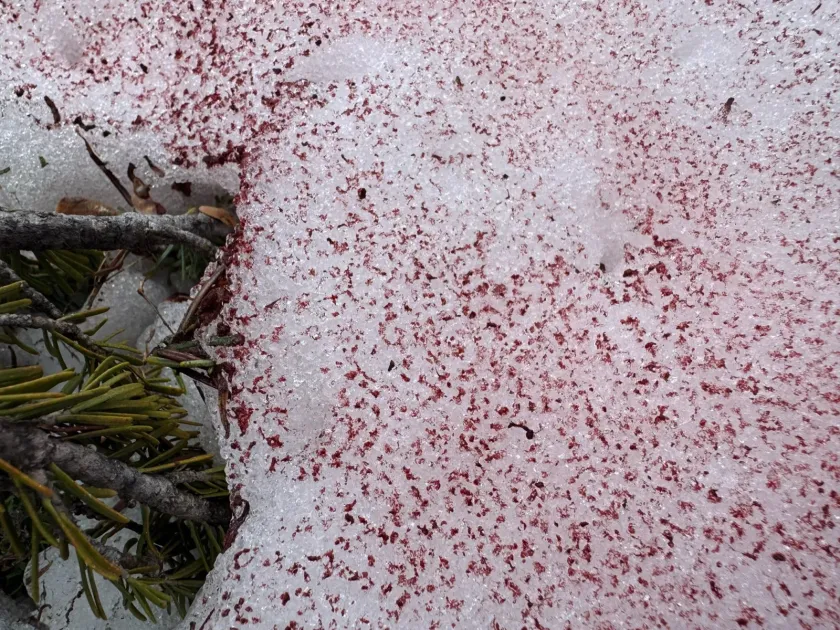
Description
Growing requirements
Chlamydomonas belongs to the Chlamydomonadaceae family. This genus of green algae is widely used as a model organism in biological research and biotechnology due to its simple genetic structure.
Successful cultivation requires a growth medium supplemented with nitrogen, phosphorus, and essential trace elements. Water quality must be maintained at a neutral pH level of 7.0 to 7.5.
The optimal temperature for growth ranges between 20°C and 25°C. Stability in thermal conditions is key to ensuring consistent cell division rates and preventing physiological stress.
Lighting is a fundamental requirement for these phototrophic organisms. Continuous or long-day cycles using specialized LED or fluorescent lighting are necessary for peak biomass production.
Constant aeration and mixing of the medium are required to facilitate gas exchange, specifically carbon dioxide uptake, and to prevent the cells from settling at the bottom of the container.
Yield
The yield of Chlamydomonas biomass is heavily dependent on the type of photobioreactor used. Advanced systems allow for high-density cultivation, resulting in significant volumes of algal matter.
In industrial settings, the biomass is harvested through centrifugation or filtration processes, allowing for the isolation of proteins, carbohydrates, and valuable lipids for commercial use.
The product finds applications in the agricultural sector, particularly as high-protein animal feed additives that improve livestock nutrition and health.
Ongoing research investigates the potential of these algae in producing bio-hydrogen, representing a key contribution to the field of sustainable and renewable energy sources.
Monitoring the growth phase is essential; harvesting should occur during the exponential growth phase to ensure the chemical composition of the biomass meets the required industry standards.
Main diseases and pests
Contamination by invasive microorganisms, such as bacteria, fungi, and predatory ciliates, poses the greatest threat to commercial Chlamydomonas production systems.
Viral infections can cause massive population crashes in closed bioreactors, making the maintenance of strictly sterile conditions a top priority for any algae cultivation facility.
Fluctuations in light intensity can induce photoinhibition, where the algae's photosynthetic machinery is overwhelmed, leading to reduced growth rates and potential culture death.
Nutrient depletion, particularly of nitrogen, triggers a stress response in the algae, causing them to cease division and switch to storage metabolism, which lowers the overall harvest yield.
Extreme temperature spikes above the optimal range are detrimental, leading to cellular lysis and the breakdown of chlorophyll pigments, which severely damages the health of the culture.