
Yellow soapwort
Saponaria lutea
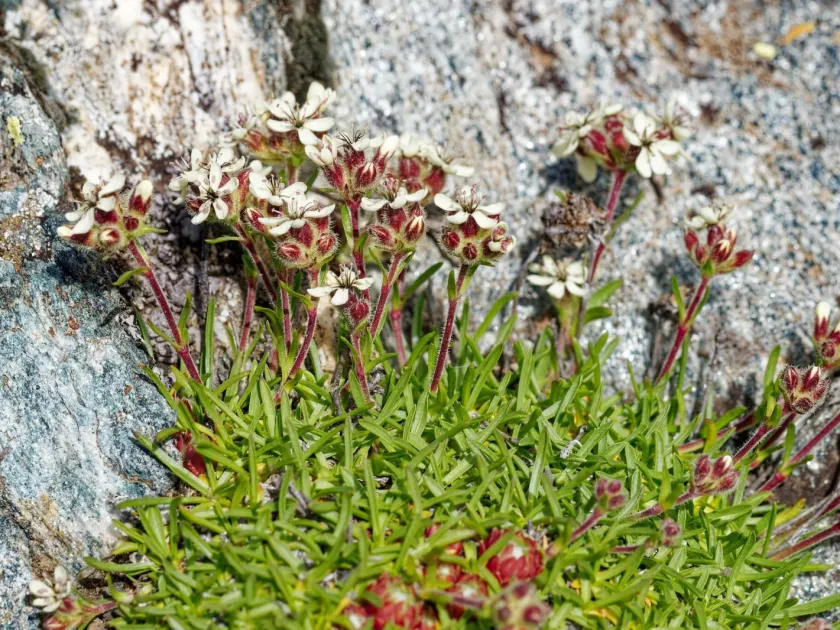
Description
Sowing dates
Sowing seeds of Saponaria lutea is best performed in the autumn for cold stratification or in early spring. The seeds require a cold period to break dormancy and ensure consistent germination rates, mirroring their natural mountain habitat.
A light, well-draining substrate composed of coarse sand and grit is recommended for optimal seedling development. Seeds should be sown thinly and pressed lightly into the soil, remaining uncovered as they require light to germinate.
For best results, seed trays should be placed in a cold frame or a cool greenhouse. Moisture must be maintained, but the soil should never become waterlogged, as this leads to damping-off diseases among young seedlings.
Once true leaves appear, seedlings should be carefully pricked out and transferred into individual pots. This stage is crucial as the root system of Saponaria lutea is sensitive to disturbance and develops relatively slowly.
Transplanting into the permanent garden site should be done carefully to keep the root ball intact. Providing a spacing of about 20-30 cm allows the plant to form a healthy, compact mound characteristic of the species.
Growing requirements
Yellow soapwort belongs to the Caryophyllaceae family and is native to alpine environments. Its successful cultivation depends on replicating its natural habitat, which is characterized by rocky soils, high luminosity, and excellent airflow.
The plant demands a site with full sun and exceptionally well-drained, neutral to slightly alkaline soil. Heavy clay or nutrient-rich organic soils should be avoided, as they promote root rot and weaken the plant's natural structural integrity.
It is a low-maintenance plant that does not thrive in overly fertilized conditions. In the garden, the focus should be on providing a grit-based soil mix that prevents water from accumulating around the crown of the plant.
Saponaria lutea is highly frost-hardy, well-adapted to surviving under deep snow covers in its mountainous home. However, it is vulnerable to damp winters, where excessive moisture can cause the roots to rot prematurely.
Routine care involves minimal weeding and ensuring the area remains clear of aggressive neighboring plants. A layer of stone mulch around the base of the plant can help keep the foliage dry and provide a more authentic alpine aesthetic.
Main diseases and pests
Root rot is the most significant threat to yellow soapwort. It is almost always a result of poor soil drainage or excessive humidity during the cooler months, leading to a rapid decline in plant health.
Powdery mildew can occur if the plant is situated in a location with poor air circulation or overcrowding. Proper spacing and preventative pruning of dead or unhealthy stems are effective ways to manage this fungal concern.
Slugs and snails present a constant risk to the foliage, especially during the spring months when new growth is tender. Placing a protective barrier of crushed stone or coarse grit around the plant can help deter these garden pests.
Aphids might occasionally colonize the flowering stems. Gentle treatment with insecticidal soaps or neem oil is usually sufficient to control the population without harming beneficial pollinators visiting the flowers.
Effective management requires proactive observation. Keeping the immediate environment clean of plant debris significantly reduces the risk of both fungal outbreaks and insect infestations.