
Cynoglossum magellense
Cynoglossum magellense
Description
Growing requirements
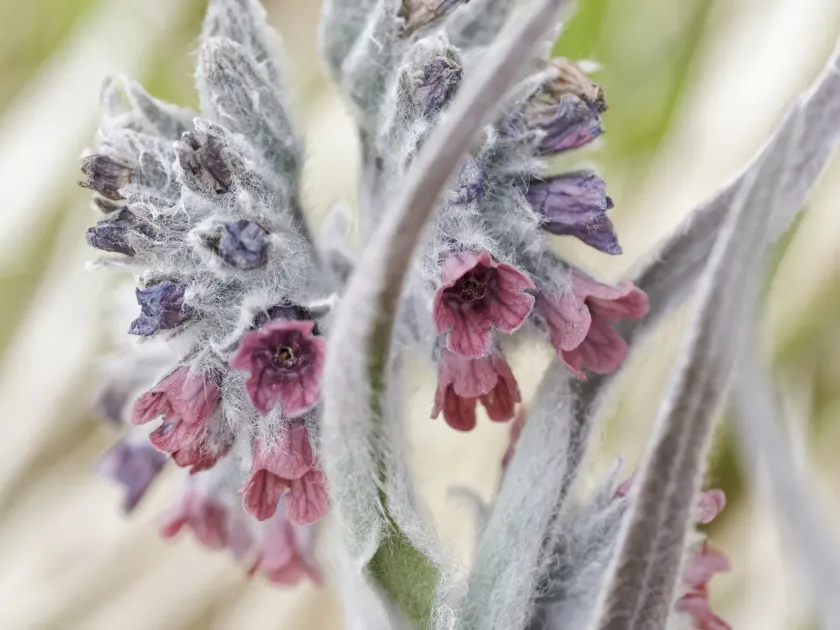
Cynoglossum magellense belongs to the Boraginaceae family. It is a perennial herbaceous plant naturally occurring in the mountainous regions of Italy, adapted to stony and alpine environments.
The crop requires well-drained, alkaline, or neutral soil conditions. It thrives in sites with limestone substrates, reflecting its natural evolution in mountainous rocky terrains.
Optimal growth is achieved in full sunlight exposure. Shade significantly impacts the plant's structural integrity, leading to etiolation and a reduction in flower production.
Agricultural management should focus on maintaining a consistent soil moisture balance during the establishment phase while avoiding waterlogged conditions which are detrimental to the roots.
The species is primarily utilized for niche ornamental gardening and as a subject of botanical interest, valued for its ability to thrive in challenging, nutrient-poor conditions.
Main diseases and pests
Fungal pathogens represent the primary threat to the species, particularly root and crown rots caused by excess humidity and poor air circulation around the root zone.
Pests such as aphids and various leaf-feeding larvae are known to affect the foliage, potentially stunting growth if infestation levels remain unchecked.
Best practices for disease prevention involve wide spacing between individual plants to promote airflow and the selection of appropriately drained planting sites.
Integrated pest management strategies should be employed if signs of infestation appear, favoring selective organic treatments to protect the plant's health.
Maintaining a clean cultivation area free of debris is essential to minimize the overwintering potential of pests and the spread of opportunistic fungal diseases.