
Dendroseris
Dendroseris
Description
Growing requirements
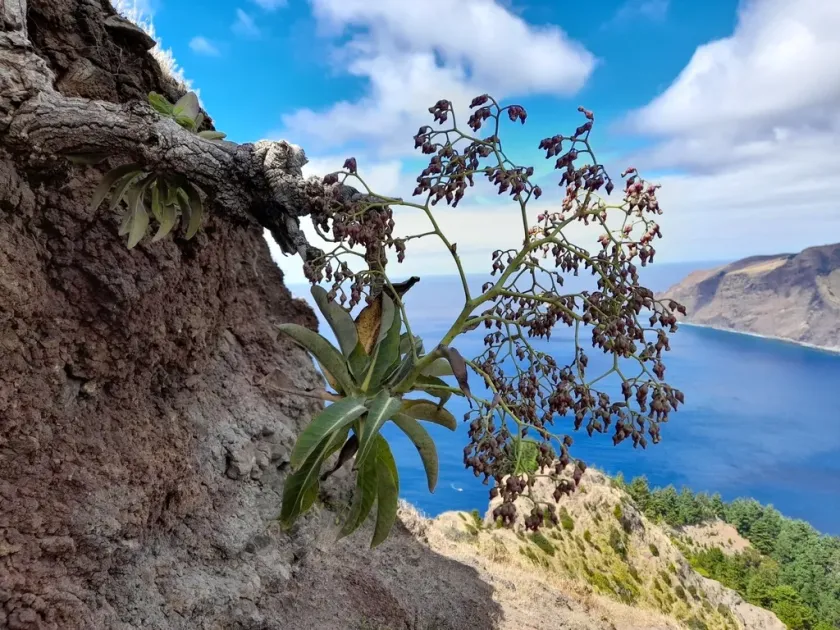
Dendroseris is a remarkable genus of woody plants within the Asteraceae family, famously known as tree lettuces. These plants are endemic to the Juan Fernández Islands, where they have evolved into shrubby or tree-like forms, displaying a distinct morphology compared to their herbaceous relatives.
The cultivation of Dendroseris requires an environment that mimics the stable, oceanic conditions of its native habitat. It thrives in regions with mild temperatures, consistently high humidity, and protection from intense, direct solar radiation that can scorch its large leaves.
In terms of soil, Dendroseris demands a well-draining, nutrient-rich, yet porous substrate. The roots are highly sensitive to waterlogging, necessitating excellent drainage systems to prevent decay, especially when grown in containers or specialized greenhouse conditions.
Proper growth requires a balance of bright, diffused light and adequate air circulation. High temperatures or stagnant air conditions often stress the plant, leading to stunted growth or physiological disorders, making precise climate control a necessity.
Given its rarity and biological specificity, Dendroseris is primarily found in botanical collections and conservation projects. Its agricultural potential is largely theoretical, focusing on the preservation of island biodiversity rather than mass commercial production.
Main diseases and pests
Dendroseris is highly susceptible to root rot, which typically develops in poorly drained soils or when the substrate remains overly saturated for extended periods.
Spider mites are the most common pest threats, particularly when the ambient humidity drops below the levels required by the plant, leading to severe leaf damage.
Mealybugs can also pose a significant problem, infesting leaf axils and stems, which often requires integrated pest management approaches to maintain plant health.
Fungal pathogens such as powdery mildew or leaf spot diseases may appear if the plant is grown in areas with poor ventilation and high humidity, necessitating proper spacing.
Nutrient toxicity, especially from heavy mineral salts in tap water, can quickly damage the delicate roots, suggesting that purified or rainwater is preferred for irrigation.