
Aloe saponaria
Aloe saponaria
Description
Sowing dates
Aloe saponaria, commonly known as soap aloe, is primarily propagated through vegetative means by separating offsets or pups that grow at the base of the parent plant. Spring is the ideal time for this process, as it aligns with the plant's natural growth cycle.
When propagating, it is crucial to allow the cuttings to dry in a shaded, well-ventilated area for several days. This callous formation stage is essential to prevent rot when the plant is introduced to the soil medium.
The substrate for young plants should be highly permeable, typically consisting of a mix of potting soil and perlite or coarse sand. This ensures the rapid drainage necessary to prevent root diseases in the early stages of development.
Seed propagation is possible but more demanding. Seeds require a consistent temperature of around 22–25 degrees Celsius and a moist, light sandy medium to ensure successful germination and seedling establishment.
Proper spacing is vital during planting, especially in greenhouses. Allowing enough room between individual plants promotes better airflow, which significantly reduces the risk of fungal infections and improves overall plant vigor.
Growing requirements
As a drought-tolerant species, Aloe saponaria thrives in bright, direct sunlight. However, in extremely hot climates, some shade during the peak afternoon hours is beneficial to prevent leaf scorching and excessive water loss.
The plant prefers well-drained, porous soils with a neutral or slightly acidic pH. Heavy clay soils are unsuitable and should be avoided or amended with organic matter and drainage materials to prevent waterlogging.
Temperature management is key to healthy growth. The optimal range is between 18 and 28 degrees Celsius. While it can handle minor fluctuations, it is sensitive to frost, which can cause irreparable damage to the fleshy leaves.
Watering practices should follow the "soak and dry" method. The soil should be allowed to dry out completely between waterings to mimic the plant's native habitat and ensure the root system remains healthy and free from rot.
Fertilization is recommended only during the active growing season. A balanced, low-nitrogen liquid fertilizer formulated for succulents, applied sparingly, will support robust growth and improve the leaf's quality.
Yield
The agricultural productivity of Aloe saponaria is measured by the biomass of its leaves, which are rich in saponins. These compounds are highly valued in the pharmaceutical and cosmetic industries for their soothing and cleansing properties.
Plants generally reach maturity and become suitable for harvesting after three to four years of consistent growth. Providing optimal light and nutrients during these years is essential for achieving a high yield of high-quality leaf gel.
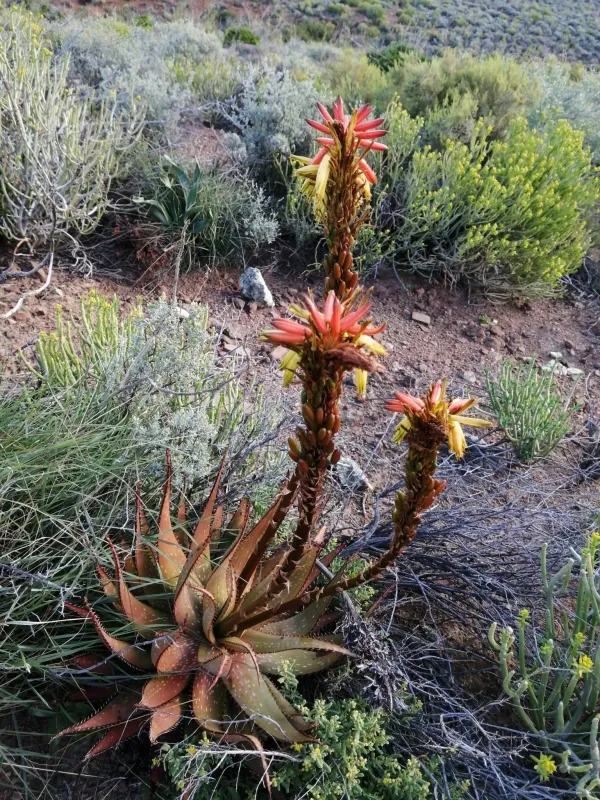
The economic value of this crop extends to the ornamental plant market. Its attractive, spotted foliage and striking orange-red flowers make it a popular choice for both interior decor and landscape gardening.
Yield optimization involves regular monitoring of leaf size and density. Strategic harvesting of the oldest, largest leaves allows the plant to continue producing new growth while maintaining a steady output for industrial processing.
Technological integration, such as automated climate control in greenhouses, can significantly increase yield consistency and chemical quality, ensuring that the harvested product meets industrial standards.
Main diseases and pests
Fungal pathogens, particularly those causing root rot, represent the most significant threat to soap aloe plantations. These infections are almost always the result of overwatering or inadequate soil drainage, necessitating strict moisture control.
Pests such as mealybugs and spider mites are common in indoor and greenhouse environments. They colonize the leaf axils, draining sap and leaving the plant vulnerable to secondary bacterial infections if not managed promptly.
Scale insects can also infest the plants, often appearing as small, waxy bumps on the surface of the leaves. These are difficult to remove and require targeted biological or gentle chemical control methods.
Good ventilation is the best preventative measure against most common pests and diseases. Ensuring that plants have sufficient air movement keeps the leaf surfaces dry and discourages the establishment of mite colonies.
- Root rot (Phytophthora)
- Mealybugs
- Spider mites
- Scale insects
- Fusarium wilt
Harvesting
Harvesting Aloe saponaria requires precision to maintain plant health. Only a portion of the foliage should be removed at any given time to ensure the plant retains enough surface area for photosynthesis and regeneration.
The best time to harvest is in the early morning when the leaves are fully hydrated. This ensures the highest concentration of active ingredients within the leaf gel, which is vital for quality-sensitive applications.
Tools used for harvesting must be sharp and disinfected to prevent the transmission of diseases from one plant to another. Clean, straight cuts heal much faster than jagged or crushed edges.
Post-harvest management is crucial as the gel begins to oxidize quickly once exposed to air. Transporting harvested leaves to a processing facility immediately is necessary to retain the integrity of the bioactive compounds.
Proper record-keeping of harvest cycles helps in managing the plantation, allowing for a staggered harvesting approach that ensures a constant supply of raw material throughout the active growing season.