
Aloe rupestris
Aloe rupestris
Description
Growing requirements
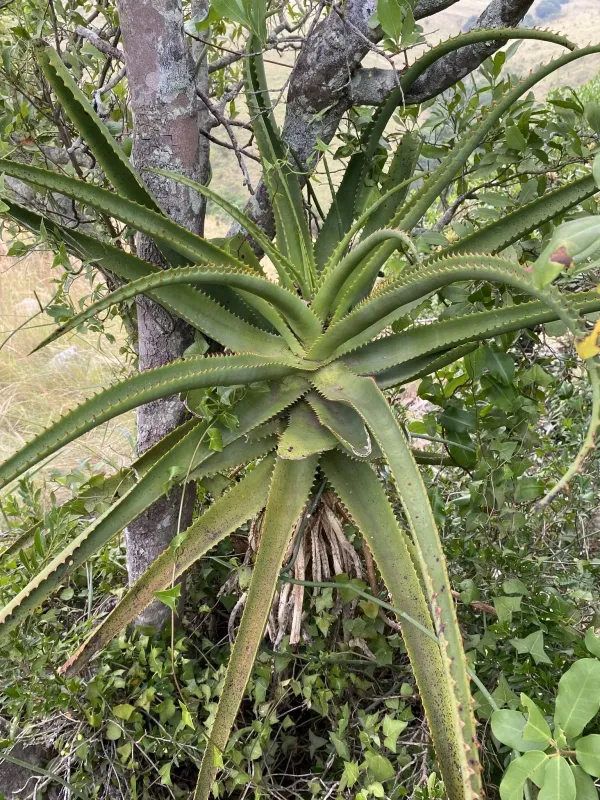
Aloe rupestris is a tree-like succulent belonging to the Asphodelaceae family, native to the rocky landscapes of South Africa. It typically develops a single stem that can reach several meters in height, distinguishing it from smaller, shrubby aloe varieties.
This species requires high light intensity, ideally direct sunlight, to maintain its structural integrity and leaf density. When grown in artificial environments, supplemental lighting or placement in southern exposures is essential for preventing etiolation and structural weakness.
The substrate must be highly porous and well-draining, mimicking the rocky, mineral-rich soils of its native habitat. A mixture of horticultural grit, coarse sand, and a small amount of organic matter is optimal for promoting healthy root development and avoiding waterlogging.
Climate requirements include warm temperatures with significant diurnal variation. While it can withstand periods of neglect, it performs best when provided with a strict wet-dry cycle, allowing the root system to breathe and preventing the accumulation of anaerobic soil conditions.
Agricultural management of this crop involves careful hydration strategies during the growth season, transitioning to near-complete drought conditions during the winter dormancy period. This seasonality is crucial for the metabolic health of the plant and its resilience against environmental stressors.
Main diseases and pests
Common pests affecting Aloe rupestris include mealybugs and scale insects, which target the leaves and stem junctions. Integrated pest management using insecticidal soaps or systemic treatments is effective if infestations are detected at an early stage.
The primary pathological risk is root and stem rot caused by fungal pathogens such as Phytophthora or Pythium species. These organisms thrive in waterlogged soil, making proper drainage and careful irrigation the most effective preventive measures against plant loss.