
Aloe porphyrostachys
Aloe porphyrostachys
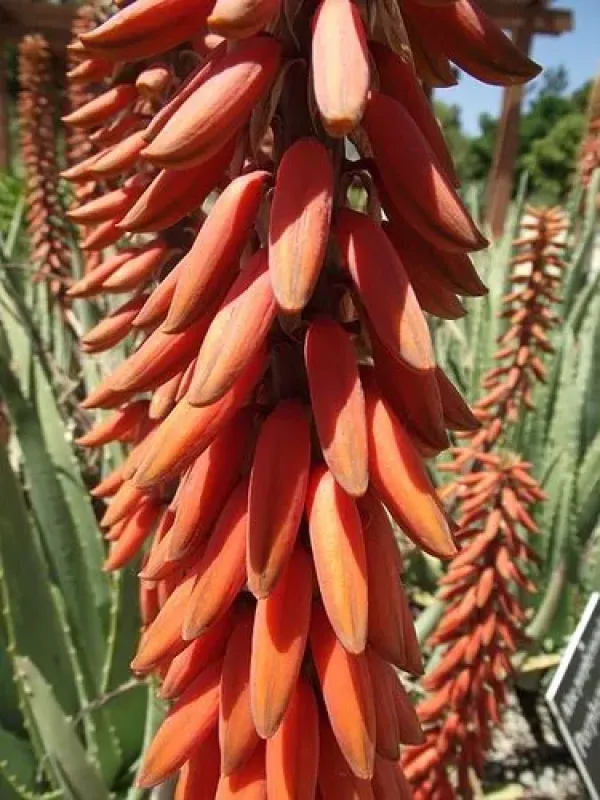
Description
Growing requirements
Aloe porphyrostachys is a distinct species belonging to the Asphodelaceae family, recognized for its specific succulent morphology and unique inflorescence. It originates from arid regions in Eastern Africa, where it has evolved to thrive in nutrient-poor, stony soils.
The agricultural cultivation of this species requires strict adherence to xerophytic environmental conditions. It demands excellent drainage and a substrate composed primarily of inorganic materials such as pumice, perlite, and coarse sand to ensure root health.
Light intensity is a critical factor for this culture. It requires high light levels to maintain its compact growth habit and natural coloration. However, extreme midday sun during summer may necessitate moderate shading to prevent epidermis damage.
Temperature management is crucial, with an optimal range between 20°C and 28°C during the active growth season. The species is highly sensitive to cold, especially when combined with high humidity levels, which can lead to cellular damage.
Watering strategy should follow the principle of complete drying between cycles. Overwatering is the most common cause of crop failure, as the plant's roots are highly prone to anaerobic conditions when submerged in saturated soil.
Main diseases and pests
Fungal and bacterial rots are the primary threats to the health of Aloe porphyrostachys. These pathogens develop rapidly in poorly ventilated environments or in soil with inadequate drainage, often starting at the root crown.
Mealybugs (Pseudococcidae) pose a significant risk, frequently colonizing the protected areas within the leaf rosettes. They suck sap, which stunts growth and creates entry points for secondary viral or fungal infections.
Scale insects can also infest the leaves, forming hard protective shells that make manual removal difficult. Infestations lead to yellowing and premature drying of the leaves if not treated with appropriate systemic insecticides.
Root aphids are a hidden threat that can drastically reduce the vigor of the plant. A tell-tale sign of their presence is a lack of growth during the active season, despite proper watering and light conditions.
Maintaining proper hygiene by removing dead foliage and ensuring good airflow around the rosette is essential. Proactive management reduces the likelihood of pest outbreaks and ensures the longevity of the plant in a controlled environment.