
Aloe petricola
Aloe petricola
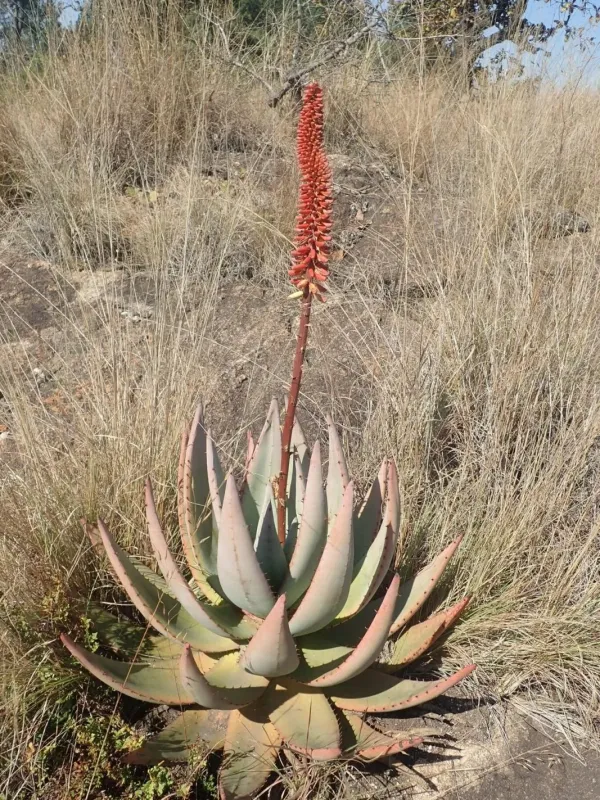
Description
Sowing dates
Cultivation of Aloe petricola typically begins with high-quality seeds sown in a well-draining, sandy substrate. The ideal time for sowing is during the spring months, as increasing daylight duration is crucial for successful seed germination and initial seedling development.
The seeds should be sown thinly on the surface of the soil and covered with a very fine layer of grit to prevent movement. Consistent, light moisture is essential during the germination phase, which usually occurs under warm and stable conditions within a greenhouse environment.
Temperature control is vital during the early stages; keeping the substrate between 22 and 26 degrees Celsius ensures optimal growth rates. Once the seedlings develop several true leaves, they should be carefully transplanted into small pots to avoid root crowding.
Vegetative propagation is an alternative, often performed using offsets or pups produced by mature plants. These must be allowed to callus for several days before planting to ensure the wound is fully healed, preventing potential fungal infections during the rooting process.
Young plants require gradual acclimatization to direct sunlight. Sudden exposure to high-intensity light can cause leaf scorching in juvenile specimens that have been raised in lower light conditions during their early development phases.
Growing requirements
Aloe petricola is native to the rocky slopes of South Africa and belongs to the Asphodelaceae family. This species demands extremely high levels of light throughout the year to maintain its compact, low-growing rosette form and characteristic leaf coloration.
The soil profile must mimic its natural habitat, requiring a highly inorganic mix. A blend of coarse sand, perlite, and fine gravel with minimal organic peat ensures that water drains rapidly, preventing the root rot that is common in less porous mixes.
Watering requirements follow the cycle of the seasons. During the active growing period, deep watering followed by complete drying of the substrate is recommended. During the winter dormancy, the plant should be kept almost completely dry to avoid structural damage.
The climate must be arid or semi-arid to facilitate healthy growth. If kept in humid conditions, the plant is prone to tissue softening. Good ventilation is an absolute necessity to prevent the accumulation of moisture within the center of the leafy rosette.
While the species is hardy, it does not tolerate frost. In non-native climates, it must be grown in containers that can be moved indoors when temperatures drop below 10 degrees Celsius. Regular monitoring of the foliage for signs of water stress is recommended.
Main diseases and pests
Root rot, often caused by poor drainage or overwatering, is the primary threat to the health of Aloe petricola. Once the root system is compromised, the base of the plant can deteriorate rapidly, making early detection and immediate repotting into fresh soil essential.
Mealybugs are the most common insect pests that attack this species, hiding deep within the crowded leaf axils. Regular inspection is necessary, as these pests can quickly deplete the plant's resources and introduce secondary viral or fungal pathogens.
Scale insects can also adhere to the leaf surfaces, piercing the epidermis to feed on the sap. These should be removed manually or treated with appropriate horticultural oils or systemic insecticides that are labeled as safe for use on succulent plants.
Leaf spotting caused by fungal pathogens often occurs when humidity levels are too high. This is typically manifested as dark or mushy lesions on the leaves, which should be excised using a sterilized blade, followed by the application of a fungicide powder.
Improper light conditions lead to physiological stress, resulting in the elongation of the leaves, a condition known as etiolation. An etiolated plant is not only aesthetically compromised but also significantly more susceptible to environmental stressors and pest infestations.