
Aloe parvibracteata
Aloe parvibracteata
Description
Growing requirements
Aloe parvibracteata belongs to the Asphodelaceae family. This succulent species is native to the southeastern regions of South Africa and Mozambique, where it thrives in rocky terrain and grasslands.
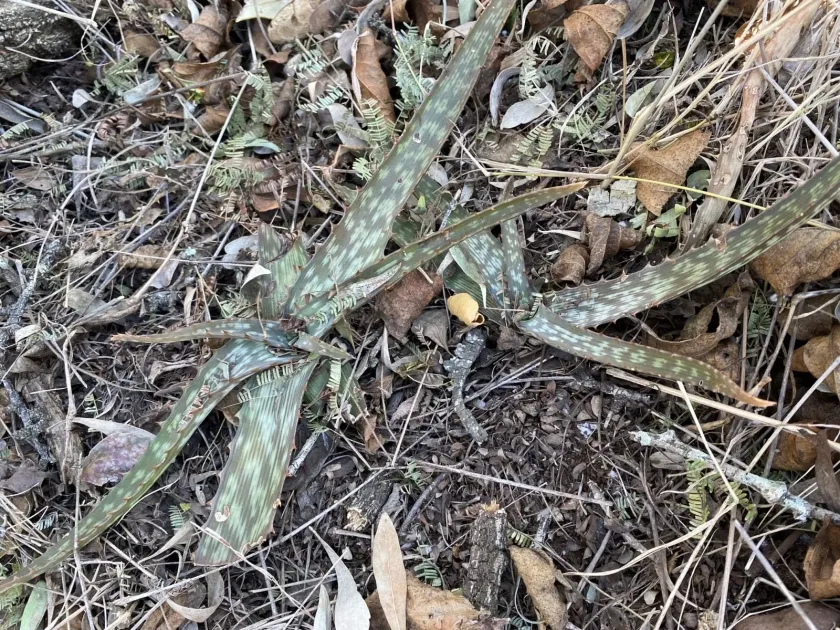
Botanically, it is a stemless or short-stemmed succulent that forms robust rosettes. The leaves are distinctively marked with white spots or bands, which makes this species highly popular among botanical enthusiasts.
The plant demands high levels of natural sunlight to maintain its structure and coloration. In cultivated conditions, it requires a well-ventilated environment to prevent heat stress during peak temperatures.
The ideal soil profile consists of gritty, free-draining media. Using a standard commercial succulent mix enhanced with coarse sand or pumice ensures that excess moisture is evacuated quickly from the root zone.
Agricultural management requires a balanced cycle of watering, allowing the substrate to dry out completely between sessions. During winter, a cool and dry environment is essential to induce a natural resting state.
Main diseases and pests
Fungal diseases are the primary threat, often caused by overwatering or poor ventilation. Root rot can manifest rapidly if the soil remains waterlogged for extended periods.
Common pests include mealybugs, which tend to hide in the tight spaces between leaf bases. Aphids and scale insects can also occasionally cause damage to the succulent's epidermis.
Integrated pest management involves physical removal of insects using alcohol-based solutions or targeted application of organic insecticides to keep the plant foliage healthy.
Prevention focuses on maintaining optimal environmental conditions. Dry soil and good airflow are the best deterrents against most common succulent pathogens and infestation issues.
Regular monitoring of the leaf surfaces and root health allows for early intervention, ensuring the longevity and productivity of the plant specimens in both gardens and nurseries.