
Aloe buettneri
Aloe buettneri
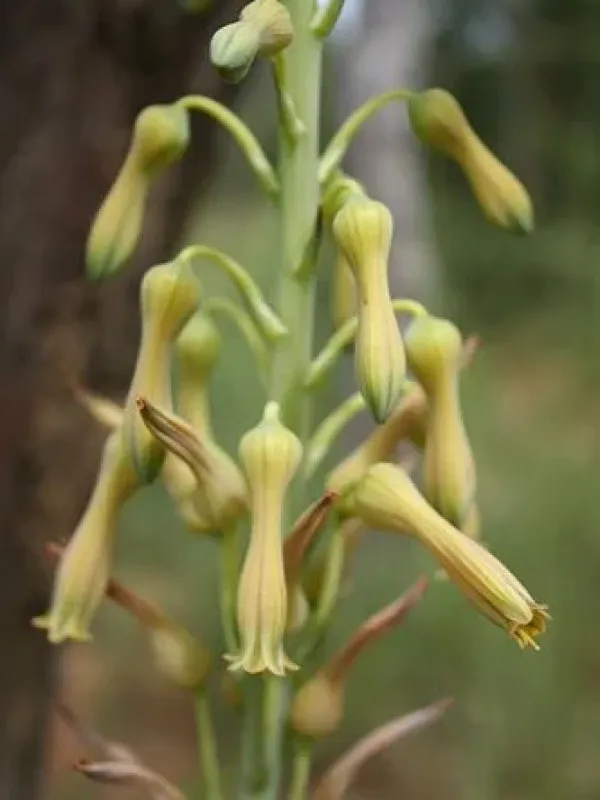
Description
Growing requirements
Aloe buettneri is a perennial herbaceous plant belonging to the Asphodelaceae family. Unlike arborescent aloes, this species is geophytic, featuring a tuberous root system that stores water and nutrients, enabling the plant to survive harsh drought conditions in its native tropical African habitats.
The plant is native to savannas and wooded grasslands across West and Central Africa. It thrives in well-draining, sandy, or rocky soils where the risk of waterlogging is minimal. Excessive soil moisture is detrimental and can lead to the rapid decay of its unique tuberous structure.
Regarding climatic requirements, Aloe buettneri demands high levels of sunlight to maintain its compact form and vibrant leaf coloration. It requires warm temperatures, typically above 20 degrees Celsius, and cannot tolerate frost or prolonged exposure to temperatures near freezing.
Agricultural practice for this species focuses on imitating its natural cycle. During the growing season, regular but sparse watering is needed, while in the dormant period, the soil should be kept largely dry. Proper drainage is the single most important factor for successful cultivation.
Propagation is generally performed through seeds or the division of older tuber clusters. The growing medium should be porous, often utilizing a mix of pumice, perlite, and a small amount of organic compost, ensuring optimal aeration for the roots to breathe and develop efficiently.
Main diseases and pests
Root rot, often caused by pathogenic fungi and bacteria due to overwatering, is the primary threat to the vitality of Aloe buettneri. Once the tuber begins to decay, the entire plant is usually compromised, making preventative drainage management critical.
Mealybugs are a significant pest that frequently infest the plant, hiding in the leaf axils. Their feeding activity drains sap and leaves the plant susceptible to secondary viral and bacterial infections, necessitating frequent monitoring and targeted treatment.
Spider mites can also be problematic in arid environments, causing pale discoloration on the leaves. Increasing humidity slightly or using acaricides can help manage infestations before they become widespread throughout the cultivation area.
Scale insects are another potential concern, attaching themselves to the leaves and stems. These pests are resilient, often requiring manual removal combined with systemic insecticides to prevent them from causing lasting damage to the plant's structural integrity.
Fungal leaf spot diseases may appear during periods of high humidity and poor ventilation. Maintaining good airflow between plants and avoiding overhead irrigation are essential cultural practices to minimize the risk of these infections within the greenhouse or open field.