
Aloe anivoranoensis
Aloe anivoranoensis
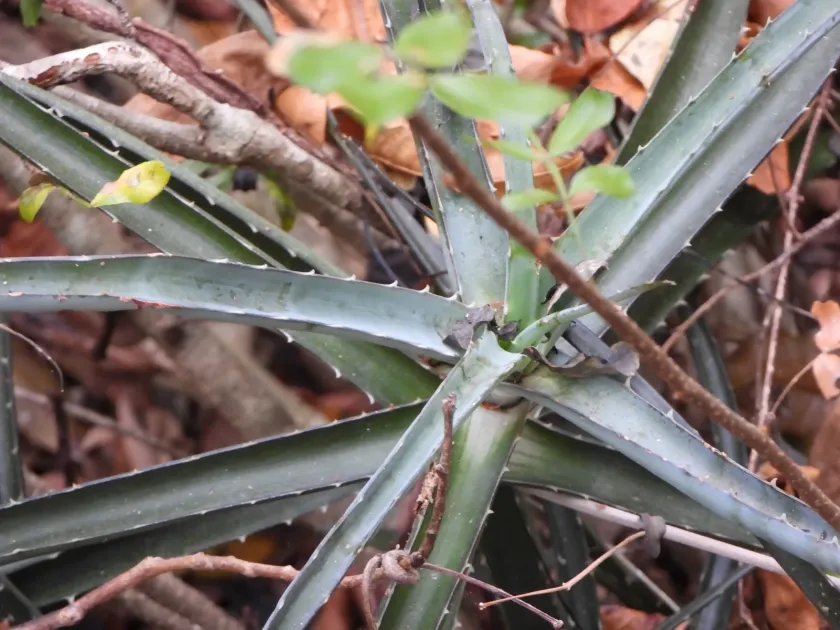
Description
Growing requirements
Aloe anivoranoensis is a distinctive succulent species belonging to the Asphodelaceae family. This rare plant is native to the northern regions of Madagascar, where it occupies specific ecological niches on rocky terrain.
The plant features a compact rosette of succulent, fibrous leaves. Its anatomy is highly specialized for water retention, allowing it to survive in environments where water availability is inconsistent and seasonal.
To cultivate this species successfully, growers must prioritize a porous, mineral-based substrate. Standard potting soil is insufficient, as it retains too much water, which poses a significant risk to the plant's roots.
Light requirements are stringent, as this species thrives in high-intensity solar radiation. Providing filtered but strong light is essential to prevent the plant from etiolating, or stretching, which weakens its structure.
Temperature management should mimic the tropical conditions of its origin. It is essential to ensure that the plant does not experience prolonged exposure to cold temperatures, especially if the soil is damp.
Main diseases and pests
The primary threat to the health of Aloe anivoranoensis is root rot. This condition is almost exclusively caused by overwatering or the use of improper, water-retentive growing mediums.
Mealybugs are a recurring concern in succulent collections. These pests hide in the crevices between leaves and can quickly stunt the growth of the plant if left untreated.
Poor ventilation within an indoor or greenhouse setting may lead to fungal issues. Ensuring proper air circulation is vital for the physiological health and longevity of the succulent rosette.
If fungal or bacterial rot is detected at the base of the stem, the affected parts must be excised immediately, and the plant should be left to callus before being repotted in dry, sterile soil.
Careful monitoring is the best defensive strategy. By maintaining a strict dry-down period between watering events, growers can significantly reduce the risk of common succulent pathogens.