
Toxicodendron trichocarpum
Toxicodendron trichocarpum
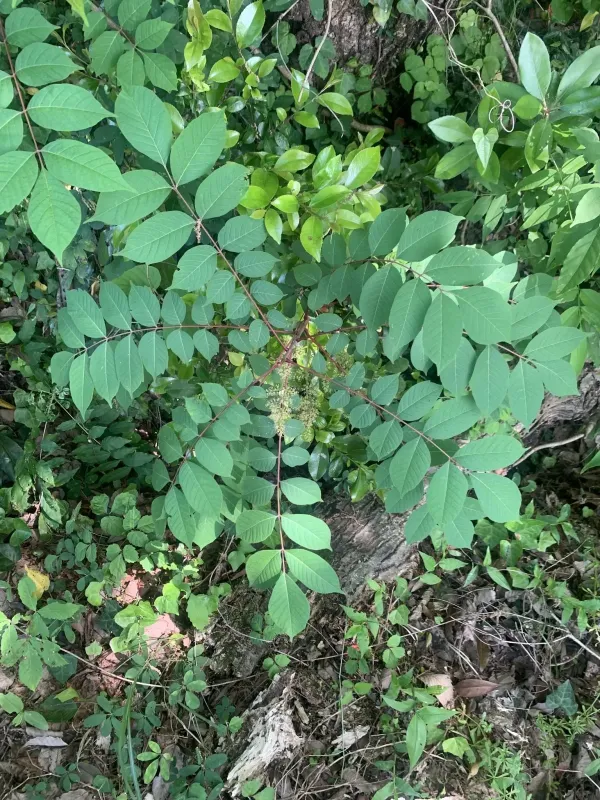
Description
Growing requirements
Toxicodendron trichocarpum is a deciduous woody species belonging to the Anacardiaceae family. Native to the woodlands of Eastern Asia, it is primarily valued for its sap, which is a source of high-quality natural lacquer used in traditional crafts and specialized protective coatings.
To ensure optimal development, the crop requires fertile, well-drained loamy soils. It thrives in regions with a moderate, temperate climate and prefers partial shade during its initial growth phases, mimicking the forest understory conditions of its natural habitat.
Agricultural management of this species involves careful monitoring of irrigation levels. While the plant requires consistent moisture, it is sensitive to waterlogging, which can cause significant damage to its root system and decrease the overall yield of sap production.
A critical aspect of handling this crop is the inherent risk of dermatitis caused by urushiol, an oil found in the plant's tissues. Strict adherence to safety protocols is mandatory for all field operations, including pruning, sap extraction, and maintenance activities.
Propagation is typically achieved through seeds or stem cuttings. During the growing season, nitrogen-balanced fertilizers are often applied to boost vegetative growth and increase the volume of raw material that can be harvested from the tree's trunk.
Main diseases and pests
The primary threats to Toxicodendron trichocarpum include fungal leaf spots and various root rot pathogens. Proper spacing between trees and adequate ventilation are essential to mitigate these risks in large-scale plantations.
Insect pests such as leaf-eating beetles and mites can also impact tree health. Integrated pest management strategies, focusing on biological controls where possible, are recommended to preserve the integrity of the harvestable product.
Harvesting
The harvesting process involves making precise incisions in the bark of mature trees to collect the raw lacquer sap. This labor-intensive task must be performed at specific times of the year to ensure the quality and consistency of the harvested product.
Once collected, the crude sap undergoes purification processes to remove impurities. The resulting lacquer is a highly durable substance known for its resistance to water and chemical degradation, making it a valuable industrial asset in specialized manufacturing sectors.