
Toxicodendron sylvestre
Toxicodendron sylvestre
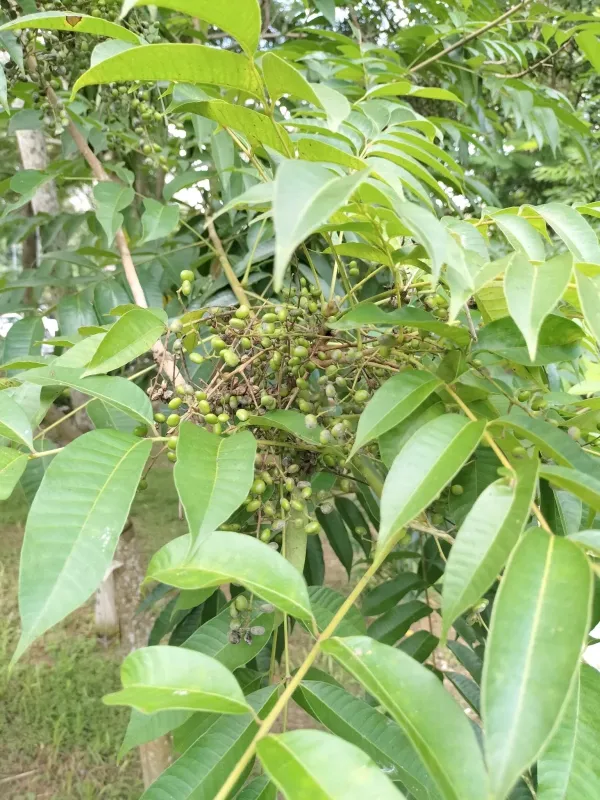
Description
Growing requirements
Toxicodendron sylvestre is a woody plant belonging to the Anacardiaceae family, native to East Asia, including regions of Japan and China. It typically inhabits moist forest edges and slopes with well-drained soils.
The plant thrives in temperate climates characterized by mild winters and moderate annual rainfall. It is sensitive to extreme frost, which can damage young stems and affect the overall vitality of the plantation.
Soil requirements involve a preference for fertile, slightly acidic to neutral substrates. Good drainage is essential, as the root system is prone to decay when exposed to waterlogged soil conditions for extended periods.
In terms of light exposure, the species prefers partial shade during its juvenile stage, transitioning to more direct sunlight as the tree matures. Protection from strong, drying winds is also a necessary agronomic consideration.
Personnel must exercise extreme caution during cultivation and harvesting. The sap contains urushiol, a potent allergen capable of causing severe skin contact dermatitis, necessitating the use of personal protective equipment at all times.
Yield
The primary economic value of Toxicodendron sylvestre lies in the harvesting of its sap, which is processed into natural lacquer. The yield is determined by the tree's health and age, with harvesting typically commencing when trees reach a mature size.
Tapping techniques are precise; shallow incisions are made on the bark to collect the milky white sap, which darkens upon exposure to oxygen. This process is managed to ensure the long-term sustainability of the tree.
Economic yields are high for quality-graded sap. The industry focuses on long-term investment, where a plantation can remain productive for several decades if managed with appropriate horticultural standards.
Research efforts often aim to optimize the timing of the harvest to maximize sap extraction while minimizing the stress imposed on the tree during the warmer months.
Secondary utilization includes the sustainable harvesting of dead branches, which can be utilized for specialized woodworking, providing an additional source of value from the plantation.
Main diseases and pests
Major threats to the crop include various coleopteran pests that consume foliage and bore into the bark, potentially interrupting the sap flow and overall tree vigor.
Fungal pathogens such as leaf spot and various types of wood rot are significant concerns. These infections are often exacerbated by high ambient humidity and poor ventilation within the tree canopy.
Effective management includes regular pruning to improve airflow and the removal of infected plant debris to minimize the spread of spores throughout the orchard.
Integrated pest management strategies are preferred to maintain the quality of the sap, as heavy chemical treatments could potentially interfere with the biochemical synthesis of the resin.
Continuous monitoring of the tree canopy and bark health is essential for early detection of infestations, allowing for targeted intervention before the damage becomes irreversible.