
Spondias venulosa
Spondias venulosa
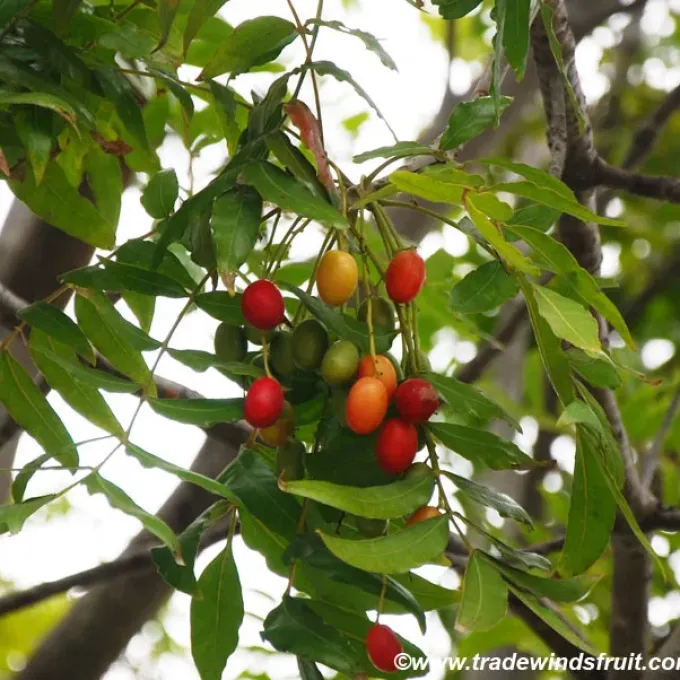
Description
Sowing dates
Spondias venulosa is typically propagated through seeds or vegetative cuttings, depending on the desired genetic consistency of the plantation. Seeds should be sown immediately after fruit maturation in a well-draining, warm, and nutrient-rich substrate, as viability can decline rapidly over time.
For commercial cultivation, the ideal time to establish new plants is at the onset of the rainy season, ensuring that the young root systems have ample moisture to anchor in the soil. The recommended planting distance should allow for canopy expansion, typically requiring 6 to 8 meters between individual trees to ensure proper air circulation.
Preparing the planting hole involves incorporating organic matter and ensuring the soil structure is friable enough to prevent water pooling. Mulching around the base is highly encouraged to maintain consistent moisture and prevent the rapid evaporation of soil water during warmer spells.
Young seedlings require partial shade during the first few months to prevent dehydration and leaf scorching. Gradually acclimating the plants to full sun exposure is a critical step in their early agronomic development, as it strengthens the stems and promotes better growth.
Care must be taken during transplantation to avoid damaging the taproot, which is vital for the tree's long-term stability and ability to access deep-seated groundwater in subsequent years of development.
Growing requirements
As a member of the Anacardiaceae family, Spondias venulosa is native to tropical environments, primarily within Brazil and surrounding regions. The plant is inherently adapted to high temperatures and lacks significant frost tolerance, making it suitable only for strictly tropical or warm subtropical climates.
Soil requirements for this species are specific: it thrives in well-drained, sandy-loam environments that prevent the roots from becoming waterlogged. While it can adapt to various soil types, maintaining a neutral to slightly acidic pH is essential for optimal nutrient uptake.
The tree is a sun-loving species, requiring high light intensity for optimal vegetative growth and reproductive potential. In shaded conditions, the tree may show signs of etiolation and a marked decrease in fruit set, reinforcing the need for open-field planting strategies.
Hydration management is crucial; while the mature tree is relatively drought-tolerant once established, supplemental irrigation during the flowering and early fruit development stages can drastically increase yields. Excess rainfall during the ripening period, however, should be managed to prevent fruit cracking.
Fertilization programs for Spondias venulosa should emphasize potassium and phosphorus to support the energy-intensive process of fruit production. Periodic analysis of leaf tissues can help adjust micro-nutrient applications to prevent deficiencies that might limit overall plant health.
Yield
Yield production in Spondias venulosa typically begins 4 to 6 years after planting, depending on environmental stressors and the quality of maintenance provided. Once the tree reaches maturity, usually within a decade, it can produce substantial volumes of fruit annually.
The fruits develop in clusters, which allows for systematic hand-harvesting. The timing of the harvest is critical, as fruits do not ripen uniformly across the canopy, necessitating multiple visits to the orchard to collect the crop at its peak maturity.
A well-managed orchard can yield dozens of kilograms of fruit per tree, provided that pollination requirements are met. The presence of effective insect pollinators is a key driver for yield success, as self-pollination may not be sufficient for commercial-grade output.
Yield quality is highly dependent on the sum of active temperatures accumulated during the season. Cooler-than-average years or excessive rain during fruit set may lead to smaller harvests, highlighting the role of seasonal climate patterns in the plant's production cycle.
To maximize long-term productivity, growers often perform annual pruning to remove deadwood and open the tree canopy to light. This practice keeps the tree in a manageable size while ensuring that new fruit-bearing branches are continuously encouraged to develop.
Main diseases and pests
The most common disease affecting Spondias venulosa is anthracnose, which can manifest as dark spots on leaves, stems, and immature fruit during periods of high humidity. Proactive fungicide applications during the rainy season are recommended to limit the impact of this pathogen.
Pest threats include various sap-sucking insects, particularly scale insects and fruit flies, which can compromise both the health of the tree and the marketability of the fruits. Integrated Pest Management (IPM) is favored to control these populations while protecting beneficial insects.
Soil-borne nematodes represent an invisible but significant threat to the root system, capable of stunting growth and increasing tree mortality. Using nematode-free nursery stock and maintaining soil health are the most effective ways to mitigate this risk in new plantations.
Improper nutritional balance, particularly nitrogen excess, can lead to overly lush vegetation that attracts pests. Balancing the tree’s nutritional intake is therefore not just a matter of growth, but a key component of its overall disease resistance and resilience.
Biosecurity measures should be observed to prevent the introduction of regional viruses that target the Anacardiaceae family. Careful inspection of any new planting material is essential to keep the plantation free from complex or hard-to-treat diseases.
Harvesting
Harvesting Spondias venulosa occurs when the fruit reaches the stage of physiological maturity, characterized by a specific color change and softening of the pulp. Hand-picking is the only viable method to prevent damage to the delicate outer skin of the fruit.
Post-harvest management involves cooling the fruits immediately to slow down respiratory processes, which effectively extends the shelf life. The fruits are typically sorted by size and maturity level to ensure consistency in shipments destined for the retail market.
Due to the short shelf life of the fresh fruit, many commercial growers prioritize rapid transport or on-site processing. Converting surplus fruit into jams, jellies, or frozen pulps is a common strategy to add value and reduce waste during peak harvest windows.
During the harvest process, the tree should be inspected for physical damage to branches, which can be vulnerable to snapping. Any necessary structural repairs or wound treatments should be applied post-harvest to prevent opportunistic infections of the wood.
Storage facilities for the harvested fruit must be highly ventilated and maintained at temperatures that prevent fermentation. Proper packaging, such as ventilated crates with soft padding, is mandatory to ensure the fruit arrives at its destination without bruising or spoilage.