
Potanin's sumac
Rhus potaninii
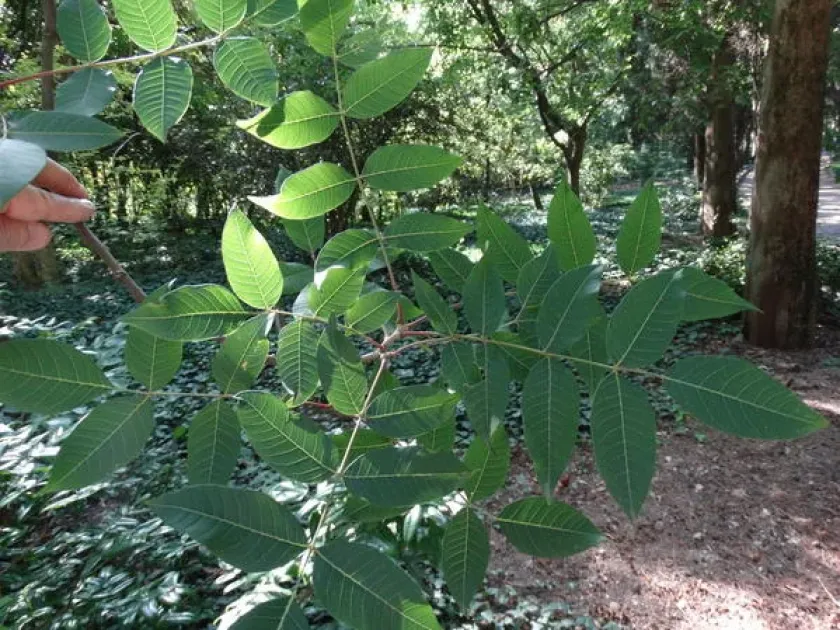
Description
Growing requirements
Potanin's sumac (Rhus potaninii) is a deciduous tree or shrub belonging to the Anacardiaceae family. Native to the mountain regions of China, this plant is highly valued for its elegant, feathery foliage that turns vibrant shades of orange, red, and purple during the autumn season.
The species thrives in sunny, open locations. Proper sunlight exposure is crucial for the plant to maintain its structural form and ensure the intensity of its autumn colors. It is well-adapted to various soil types, provided they are well-drained, as the species is intolerant of waterlogged soil.
When cultivating this species, it is important to provide sufficient space, as the root system can be extensive. While it is hardy in many climates, young plants benefit from protection against harsh winds and extreme late spring frosts, which can damage new growth.
Agricultural practices for this crop focus primarily on soil preparation and minimal maintenance. Once established, the plant requires little supplemental irrigation except during prolonged droughts. A layer of organic mulch around the base can help maintain soil moisture and discourage competition from weeds.
The economic value of Rhus potaninii is mostly ornamental, making it an excellent choice for parks, botanical gardens, and large residential landscapes. Historically, the leaves and bark have been studied for their high tannin content, which has applications in the leather tanning industry.
Main diseases and pests
Potanin's sumac is generally robust, but it can be susceptible to fungal pathogens such as verticillium wilt if the soil remains excessively damp. Ensuring proper soil drainage is the most effective cultural practice for preventing these root-related issues.
Pest pressures primarily involve sap-sucking insects like aphids. These pests typically congregate on the tender tips of new growth, and if left untreated, they can cause leaf curling and stunt the development of the young shoots.
Leaf-feeding caterpillars can occasionally cause aesthetic damage to the foliage during the mid-summer period. Monitoring the underside of the leaves for signs of feeding or egg masses is recommended during the peak growing season to minimize the need for heavy pesticide intervention.
Sanitation is a key component of disease prevention. Removing any dead or infected wood during the dormant winter period helps reduce the inoculum levels of pathogens that could potentially spread during the upcoming spring.
By providing the correct site conditions and regular observation, gardeners can mitigate most threats to Potanin's sumac. The plant's natural vigor allows it to recover well from minor damage if the overall plant health is maintained through appropriate cultural practices.