
Laurel sumac
Rhus laurina
Description
Growing requirements
Laurel sumac, taxonomically identified as Malosma laurina (formerly Rhus laurina), is a prominent evergreen shrub native to the coastal regions of Southern California and Mexico. It belongs to the Anacardiaceae family and serves as a key species in chaparral ecosystems.
This species is highly adapted to Mediterranean-style climates, characterized by hot, dry summers and mild, wet winters. For successful cultivation, it requires full sun exposure and well-drained soil, as it is particularly susceptible to root issues in waterlogged environments.
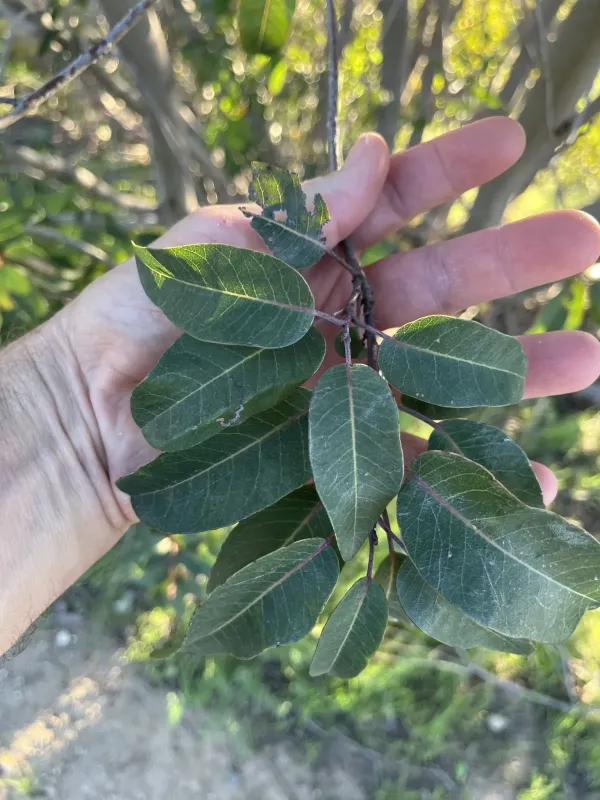
The botanical structure of the plant, including its leathery, lance-shaped leaves, is a classic evolutionary adaptation to drought. This design helps minimize transpiration, allowing the shrub to remain vibrant even during prolonged periods of moisture scarcity.
In terms of agricultural and ecological application, Laurel sumac is valued for its ability to stabilize soil on slopes and hillsides. Its extensive root system acts as a natural deterrent against erosion, making it a preferred choice for restoration projects in arid areas.
Maintenance is relatively straightforward due to the plant's inherent resilience. It does not require frequent irrigation once established and can thrive in poor, rocky soils where other ornamental shrubs might fail, provided it receives ample sunlight throughout the growing season.
Main diseases and pests
While robust, Laurel sumac is not immune to plant health issues. The primary threats are fungal pathogens associated with overwatering or poor soil drainage, which often lead to crown rot and localized necrotic spots on the stems and leaves.
Pests such as aphids and scale insects are common in some regions. While mature, healthy plants can often tolerate minor infestations, high populations of these pests can weaken new growth, making the shrub more susceptible to environmental stresses.
Frost sensitivity remains a major biological constraint. In colder zones, the plant may experience dieback or significant tissue damage. Damaged wood provides an entry point for pathogens, which can lead to further systemic decline if not properly pruned.
Effective management includes regular sanitation. Pruning out dead or crossing branches improves air circulation, which is essential for keeping the canopy dry and preventing the growth of molds and fungal colonies, especially in humid microclimates.
Integrated pest management (IPM) practices, such as encouraging natural predators and avoiding heavy use of broad-spectrum pesticides, are recommended. This approach preserves the balance within the shrub's immediate environment and promotes long-term health.