
Kearney sumac
Rhus kearneyi
Description
Growing requirements
Kearney sumac (Rhus kearneyi) is a distinct species belonging to the Anacardiaceae family. This plant is primarily known for its limited native range in desert regions, where it exhibits remarkable survival strategies against harsh environmental stressors and limited water availability.
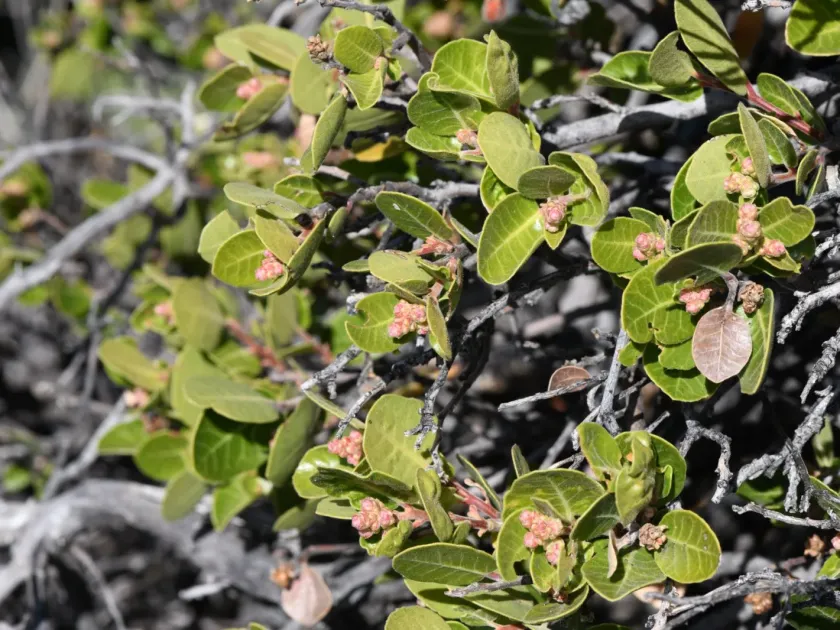
The botanical structure of Kearney sumac includes tough, leathery foliage adapted to prevent moisture loss, and a robust root system designed to anchor the plant and access deeper soil moisture. It typically maintains a shrubby form, making it suitable for low-maintenance landscaping projects.
Cultivation requirements for this species are centered on mimicking its native habitat. It thrives in well-draining, sandy, or rocky soils. Poorly drained soil conditions are detrimental to its health, as the root system is highly sensitive to waterlogging and subsequent fungal pathogen attacks.
The plant demands full sun exposure to maintain its vigor and structure. It is highly resistant to heat stress, making it an excellent candidate for xeriscaping or water-wise garden designs. However, it requires a frost-free environment to avoid cold damage during its active growth phases.
In terms of land use, Kearney sumac is primarily utilized for erosion control and environmental restoration in arid zones. Its ecological value lies in its ability to persist in challenging environments, providing habitat and structure where more demanding horticultural species would fail to survive.