
Kasturi mango
Mangifera casturi
Description
Growing requirements
Mangifera casturi, known commonly as Kasturi mango, is a distinctive species within the Anacardiaceae family. It is endemic to the tropical rainforests of South Kalimantan, Indonesia, making it a highly specialized plant.
This tree thrives exclusively in humid, tropical climates where temperatures remain stable throughout the year. It lacks cold hardiness and requires constant protection from even minor temperature drops below tropical norms.
For optimal growth, the species prefers deep, nutrient-rich soils that offer superior drainage capabilities. While it enjoys consistent moisture, it is highly susceptible to root rot if the soil becomes waterlogged for extended periods.
Cultivation practices often involve planting in semi-shaded conditions during the early stages of development to mimic the canopy environment of its native rainforest habitat. As the tree matures, it can tolerate more exposure.
Due to its status as an endangered species in the wild, cultivation is primarily focused on biodiversity conservation. It is an excellent candidate for specialized agroforestry systems that prioritize sustainable farming in tropical zones.
Main diseases and pests
Anthracnose remains the most significant fungal threat to the Kasturi mango, particularly during the rainy season. This disease causes necrotic spots on leaves and premature fruit drop, significantly impacting overall tree health.
Powdery mildew can severely affect flower panicles, preventing fruit set and reducing yield. Regular monitoring and appropriate antifungal treatments are necessary during the flowering period to maintain tree productivity.
Fruit flies pose a major challenge for growers, as they are attracted to the aromatic ripening fruits. Protecting the harvest often involves the use of specialized netting or traps to prevent infestation.
Stem borers and various scale insects may attack the bark or twigs of the tree. These pests can weaken the structure of the canopy, leading to a decline in vigor over time if left untreated.
Integrated pest management strategies are essential, emphasizing the removal of infected plant debris and the promotion of beneficial insect habitats. Maintaining a healthy, well-pruned tree reduces the risk of pest colonization.
Harvesting
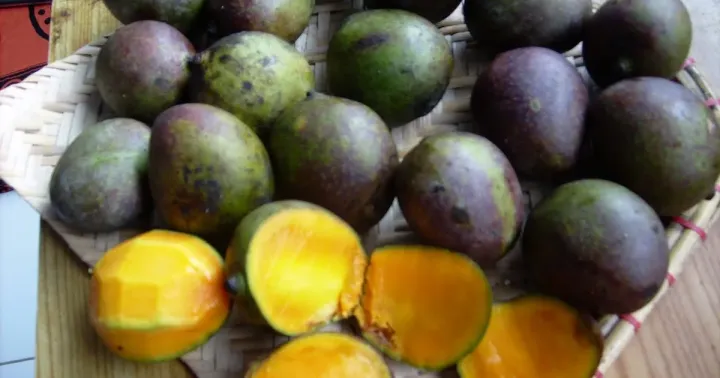
Kasturi mangoes are harvested when the skin turns a deep dark color, often appearing purplish-black. The fruits are smaller than common commercial mango varieties, making them distinct in both appearance and size.
Harvesting is performed by hand to ensure that the delicate skin of the fruit remains intact. The fruit does not have a long shelf life, so immediate handling and distribution to the consumer are critical for quality.
The interior of the fruit is characterized by a vibrant orange flesh that is noted for its intense sweetness and unique aroma. It is widely regarded as a delicacy within its native range and is highly sought after.
Post-harvest management involves keeping the fruit in cool, well-ventilated conditions to prevent over-ripening. Because of its limited availability, it is not currently a major export commodity on a global scale.
The culinary applications of the fruit include fresh consumption and the preparation of refined tropical desserts. Its unique flavor profile continues to attract interest from chefs and agricultural researchers worldwide.