
Araza
Eugenia stipitata McVaugh
Description
Sowing dates
Propagation of the araza is primarily done through seeds, which should be sown fresh as they lose viability rapidly if allowed to dry out.
Seeds are germinated in specialized nursery beds or containers with high humidity, protected from direct sunlight to ensure even and fast emergence.
Once seedlings reach a height of 30 to 40 cm, they are transplanted into their final orchard locations, ideally at the start of the rainy season.
Spacing is critical for this species, with recommendations usually ranging from 4 to 6 meters between trees to allow for adequate canopy development and aeration.
Vegetative propagation methods like grafting can be used to propagate desirable varieties, helping to maintain uniform characteristics within a plantation.
Growing requirements
The araza (Eugenia stipitata) is a member of the Myrtaceae family and thrives in humid, tropical lowland environments typical of the Amazon rainforest.
The crop requires constant warm temperatures, ideally between 22 and 30 degrees Celsius, and is highly intolerant of frost or cold weather conditions.
Soil requirements include deep, fertile, and well-drained substrates; the plant cannot tolerate waterlogged conditions which often lead to root rot.
High relative humidity and consistent rainfall are essential for growth; therefore, supplemental irrigation is necessary in regions with prolonged dry spells.
The tree prefers bright, filtered light during its early development but requires full exposure to maximize fruit production once it reaches maturity.
Yield
One of the primary benefits of the araza is its precocity, with trees often beginning to produce fruit within two to three years of being planted.
A mature, well-maintained tree can yield between 20 to 50 kilograms of fruit annually, making it a viable crop for local and regional markets.
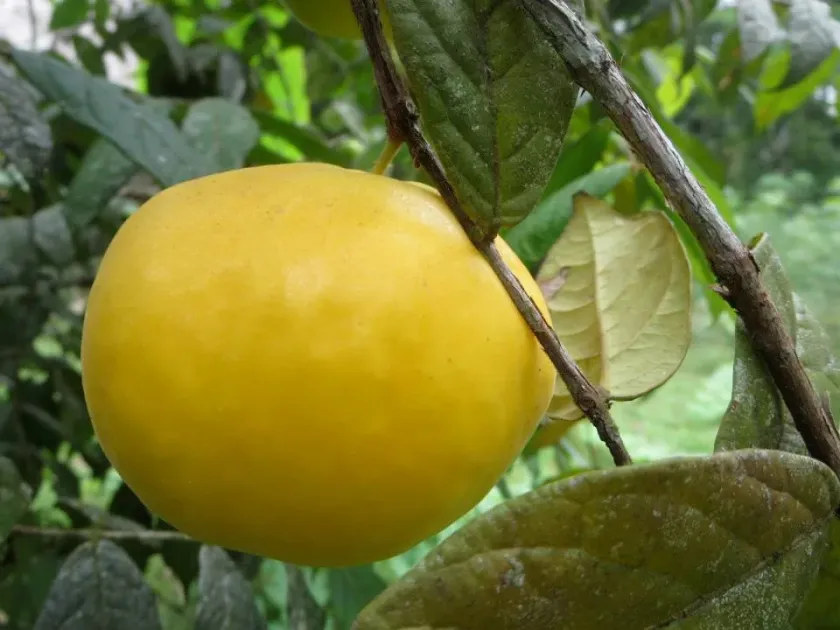
The fruit itself is spherical with a thin skin and soft pulp, possessing a strong, acidic flavor profile that is highly prized in processed foods.
Productivity remains steady for many years, provided that the canopy is managed properly to ensure light penetration and reduce disease pressure.
Yield consistency depends largely on the availability of nutrients, requiring regular applications of organic matter or balanced fertilizers during the growing season.
Main diseases and pests
The most significant pests affecting araza cultivation are fruit flies, which can cause substantial damage to the developing harvest if not controlled.
Fungal leaf diseases are common in humid conditions and can be mitigated by ensuring proper plant spacing and airflow throughout the plantation.
Root system health is paramount; diseases such as root rot can occur if soil management or drainage systems are inadequate for the tree's needs.
Integrated pest management strategies, including the use of sticky traps and biological controls, are recommended to minimize the reliance on chemical pesticides.
Sanitary practices, such as removing fallen fruit and pruning infected branches, are essential to maintain the overall health of the orchard.
Harvesting
The harvest is labor-intensive as it must be conducted manually to prevent damaging the fragile, thin-skinned fruits that bruise easily.
Harvesting should be timed precisely when the fruit skin turns fully yellow or orange, signaling peak flavor and aromatic properties.
Post-harvest life is extremely short, usually limited to 48 hours, making immediate processing into juices, jams, or sauces the standard commercial practice.
Packaging must be carefully managed, using small containers that prevent fruit piling and compression to ensure the produce reaches the consumer intact.
Given the fruit's high acidity and delicate nature, it is rarely sold as fresh fruit in distant markets, favoring local, farm-gate processing operations.