
Eugenia uniflora
Eugenia uniflora L.
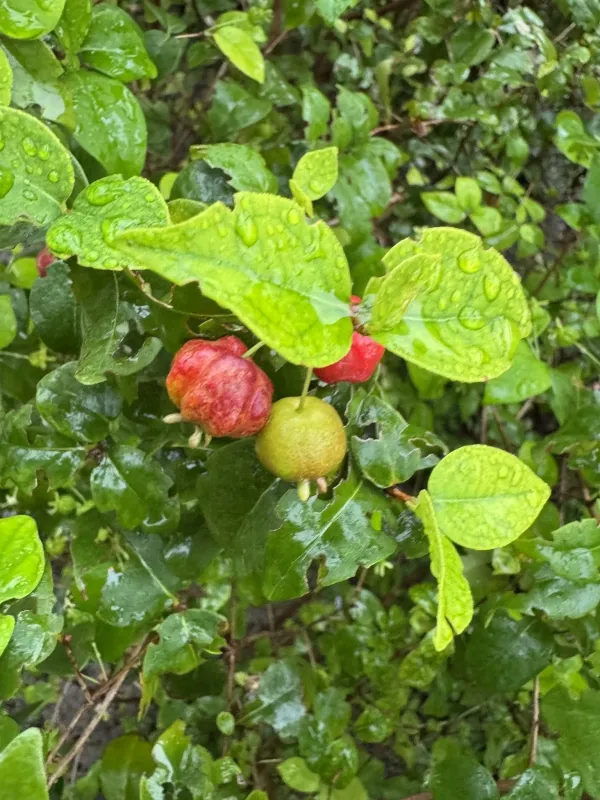
Description
Sowing dates
Propagation of Eugenia uniflora is commonly achieved through seeds, which should be sown immediately after removal from the fruit due to their short viability. Using a light, well-draining soil mix is essential for successful germination.
Seeds typically germinate at temperatures between +22 and +26 degrees Celsius. Providing consistent moisture is crucial during this phase, although growers must be careful to avoid waterlogging the soil, which can lead to fungal issues.
For commercial orchards, vegetative propagation via cuttings is preferred to ensure genetic uniformity and preserve superior traits. Cuttings are typically rooted in humid environments with the aid of rooting hormones.
Young seedlings should be transplanted to their permanent site only after the risk of frost has passed. Selecting a site with adequate wind protection and full sun exposure will encourage robust development.
Spacing between plants should be managed to ensure adequate airflow and sunlight penetration. Depending on the intended orchard management system, a distance of 3 to 5 meters between trees is generally recommended.
Growing requirements
As a member of the Myrtaceae family, Eugenia uniflora thrives in tropical and subtropical climates. It prefers sunny locations and is highly sensitive to frost, which can cause significant damage to young shoots.
The plant grows best in fertile, well-drained soils with a neutral or slightly acidic pH. While it exhibits some drought tolerance, regular irrigation is vital during flowering and fruiting stages to maximize quality.
Proper soil fertility management involves applying organic matter or balanced fertilizers in the spring. Mulching around the base of the tree is a beneficial practice that retains soil moisture and suppresses weeds.
Pruning is essential for maintaining tree structure and crown density. Periodic removal of dead or crossing branches promotes better airflow, which is critical for reducing the incidence of diseases in humid regions.
In regions with cooler climates, the plant can be successfully cultivated in containers as a patio tree. This allows growers to move the plant indoors during the winter to avoid cold stress.
Yield
The yield of Surinam cherry trees depends on age, health, and climatic conditions. A mature tree can be quite productive, often offering two harvests per year in warm, tropical environments.
The fruits are distinctive, ribbed berries that transition from green to yellow, orange, and finally deep red or black. When fully ripe, they possess a sweet-tart flavor with a subtle resinous note.
Production capacity increases significantly after the first few years of growth. With proper care, the fruit density allows for profitable small-scale harvesting for local markets or home consumption.
Sunlight exposure is a primary factor in yield quality. Fruit grown in partial shade tends to be less juicy and may lack the intense flavor profile characteristic of fruits grown in full sunlight.
Post-harvest management is limited due to the fragile nature of the berries. Local processing into jellies, juices, and jams remains the most effective way to utilize surplus harvests.
Main diseases and pests
Common pests include scale insects and mealybugs, which feed on the sap of young leaves and shoots. Monitoring for these pests should be a routine part of orchard maintenance to prevent significant damage.
Fungal diseases like powdery mildew may occur in poorly ventilated areas with high humidity. Pruning and spacing are key preventive measures to maintain a dry and healthy canopy environment.
Root rot is a major threat in soils with poor drainage. Ensuring the planting site has high permeability is the best way to safeguard the root system from waterborne pathogens.
Insects can serve as vectors for various diseases, reinforcing the need for cleanliness in the orchard. A healthy, well-nourished tree is naturally more resistant to the negative effects of pest infestations.
Biological control methods are preferred, especially in home gardens, to avoid chemical residues on the fruit. Integrated pest management strategies help maintain an ecological balance in the orchard.
Harvesting
Harvesting should only occur when the berries have reached full maturity, evidenced by their deep red or dark purple color. Ripe fruit detaches easily from the stem with a gentle touch.
Because the fruits on a single tree often ripen at different times, the harvest period is usually extended. Daily or frequent harvesting cycles are necessary to catch the fruit at its peak quality.
The berries are extremely delicate and prone to bruising, so they must be handled with care during harvest. Using shallow crates helps prevent the bottom layers of fruit from being crushed.
Fresh fruit should be kept in a cool, ventilated area immediately after picking. If long-term storage is required, freezing the pulp is an excellent way to preserve the flavor for later use.
Careful harvesting practices ensure the longevity of the tree. Avoiding breakage of fruiting twigs is important, as these are often the sites for the next season's growth and production.