
Mabolo
Diospyros blancoi A.DC.
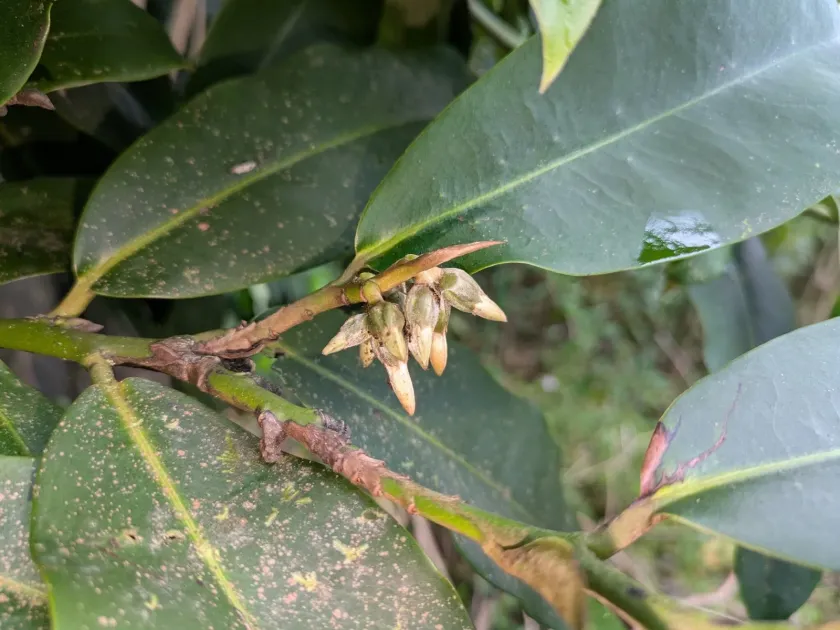
Description
Sowing dates
Propagation of mabolo is typically achieved through seeds, which maintain high viability if planted shortly after harvest. The seeds are extracted from mature fruits, thoroughly cleaned of pulp, and sown in a well-draining, nutrient-rich potting medium to ensure maximum germination rates.
Optimal sowing occurs at the beginning of the rainy season, providing the seedlings with the high humidity required for initial root development. When growing in containers, a consistent soil temperature of approximately 25-28 degrees Celsius is recommended to stimulate steady growth.
Young mabolo plants are sensitive to intense direct sunlight and should be kept in a shaded nursery environment for the first several months. Slow early growth is characteristic of the species, so patience is required regarding substrate management and watering frequency.
Vegetative propagation techniques, such as budding or grafting onto related Diospyros rootstocks, are preferred for commercial plantations. These methods ensure the preservation of superior fruit characteristics and significantly reduce the time taken to reach the first harvest compared to seed-grown trees.
When transplanting saplings into the field, it is crucial to keep the root ball intact to reduce transplant shock. Planting should ideally be scheduled during overcast weather to minimize transpiration and allow the root system to establish itself effectively in the new soil environment.
Growing requirements
Mabolo is a strictly tropical species that requires a warm climate with stable temperatures throughout the year. It thrives in temperature ranges between 20 and 30 degrees Celsius and is extremely sensitive to cold snaps or frost, which can cause severe damage or tree mortality.
The tree is adaptable to various soil types, provided they are deep and well-drained, such as sandy loams or fertile alluvial soils. Waterlogged conditions must be strictly avoided, as the root system is highly susceptible to hypoxia and subsequent rot if submerged for extended periods.
Full sun exposure is necessary for the tree to develop a robust canopy and ensure high-quality fruit production. While young trees benefit from dappled shade, mature specimens require significant light to maintain their vigor and prevent the development of thin, unproductive branches.
Regular watering is essential during the active growing season, especially for maintaining the soil moisture content required for fruit development. In regions with a pronounced dry season, supplemental irrigation is necessary to prevent premature fruit drop and stress to the foliage.
Adding organic mulch around the base of the tree is a highly recommended practice for moisture retention and thermal stability of the soil. This simulates the forest floor environment and provides a slow-release source of nutrients that supports healthy development and fruit set.
Yield
Mabolo trees grown from seeds typically begin to fruit between 6 and 8 years of age, whereas grafted trees can start producing as early as 3 to 4 years post-planting. The mature tree is capable of producing a heavy yield of fruit, often occurring in distinct clusters along the branches.
The fruit, known as velvet persimmon, is spherical and covered in a fine, reddish-brown or gold-colored pubescence. The creamy white, juicy flesh is sweet and has a pleasant, mild aroma, making it a popular choice for fresh consumption in local tropical markets.
Culinary uses for mabolo are diverse, ranging from fresh snacks and fruit salads to processed drinks and desserts. The fruit is relatively durable, allowing for careful transportation, though its velvet skin requires gentle handling to prevent surface bruising.
Pruning is vital for maintaining tree shape and ensuring that enough light reaches the interior of the canopy to promote consistent yields. Manual harvesting is the standard practice, focusing on fruit that has transitioned to its mature color and exhibits a slight softening.
Post-harvest storage should be short-term, as mabolo fruits continue to ripen quickly and may lose quality if held at ambient temperatures for too long. Refrigeration can help extend the window for consumption, but fresh use is generally preferred for the best sensory experience.
Main diseases and pests
Due to its preference for high humidity, mabolo can be prone to fungal issues such as leaf spot and anthracnose. Maintaining excellent air circulation through regular thinning of the canopy is the primary defense against these pathogens, as it prevents humidity traps.
Insect pests including scale insects and mealybugs may infest the foliage and young shoots, extracting sap and weakening the tree. Regular monitoring of the underside of leaves and branch junctions is essential for detecting early infestations and taking corrective action.
Fruit flies pose a significant threat to maturing fruit, as they can lay eggs within the soft flesh, rendering the produce unmarketable. Protective netting or the use of organic pheromone traps can effectively mitigate these losses without reliance on heavy chemical applications.
Root rot, often caused by drainage issues or soil-borne pathogens, is a lethal threat if left unaddressed. Proper site selection and avoiding excessive irrigation are the cornerstones of preventing these long-term issues that could compromise the tree's health.
Routine sanitary pruning, which involves the removal of dead or diseased wood, helps keep the tree robust and less attractive to wood-boring pests. Overall, a well-nourished tree with a balanced nutrient profile is far more resilient to the stresses of its tropical environment.