
Caucasian persimmon
Diospyros lotus L.
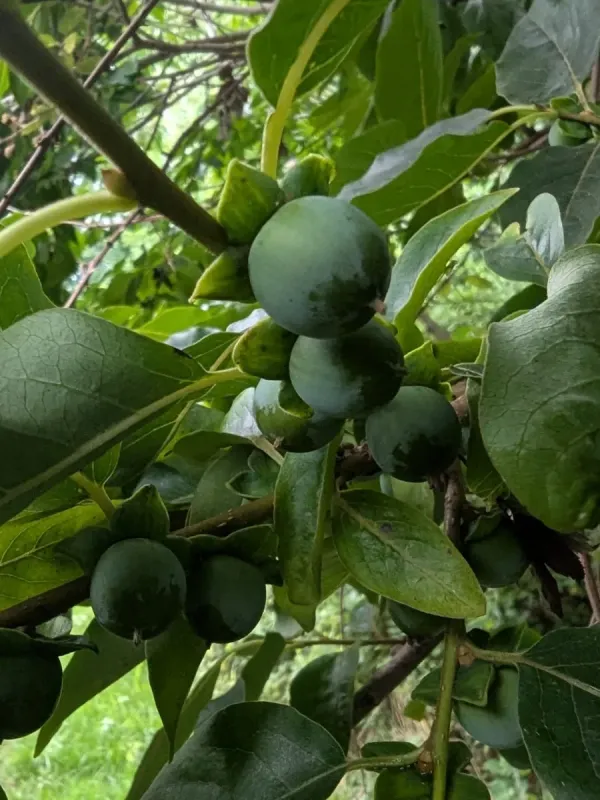
Description
Growing requirements
The Caucasian persimmon (Diospyros lotus L.) is a deciduous tree belonging to the Ebenaceae family. Known for its remarkable cold hardiness, it serves as a robust member of the genus, capable of thriving in various temperate and subtropical climates.
The plant thrives in sunny locations with well-drained, fertile soils. While it exhibits great adaptability to different soil types, including rocky or poor substrates, it performs best when supplied with sufficient moisture during the active growth phase.
The climate requirements include a long growing season with warm temperatures. The tree is deep-rooted, which allows it to tolerate periods of drought, making it an excellent candidate for reforestation and soil erosion control projects in hillside areas.
Proper site preparation is essential for successful establishment. Ensuring adequate space for canopy expansion is necessary for optimal development, as the tree can grow to significant heights in favorable conditions.
In terms of agricultural management, providing regular irrigation and light pruning helps maintain vigor. The tree responds well to organic fertilization, which enhances both fruit set and overall plant health.
Yield
The Caucasian persimmon is primarily utilized as a high-quality rootstock for grafting more delicate commercial varieties of Asian persimmon. Its compatibility and hardiness make it indispensable for sustainable orchard production.
The fruits are small, globose berries that turn yellow to dark brown upon maturity. Although they possess an astringent taste when unripe, they become sweet and palatable once fully matured or subjected to frost conditions.
Commercially, the fruit is processed into jellies, jams, and dried snacks, which are rich in tannins, organic acids, and essential vitamins. These products are valued for their nutritional profile and shelf life in storage.
The timber of the tree is prized for its high density and beautiful texture. It is frequently used in high-end cabinetry, inlay work, and the creation of durable, decorative artisanal items that are resistant to decay.
Fruit harvesting typically occurs in late autumn. Given the tree's productive nature, it can provide significant yields annually if managed according to recommended pruning and thinning practices.
Main diseases and pests
The Caucasian persimmon is relatively resistant to many common pests and diseases that affect commercial orchards. However, maintaining good orchard hygiene remains a vital practice for preventing occasional issues.
Pest pressure can involve scale insects or leaf-rollers during favorable weather conditions. Monitoring the underside of leaves and stems allows for early detection and targeted management, often without heavy chemical usage.
- Fungal leaf spots during high humidity
- Root rot if soil drainage is inadequate
- Wasps attracted to ripening, over-sweetened fruits
- Minor insect infestations of wood-boring beetles
Disease control focuses largely on promoting airflow through balanced pruning. By keeping the canopy open, growers can prevent the accumulation of moisture, which is the primary driver for many fungal pathogens.
Because the tree is a wild-type species in many regions, it possesses natural defense mechanisms that allow it to recover from damage quickly, ensuring long-term sustainability of the planting.