
Black sapote
Diospyros digyna Jacq.
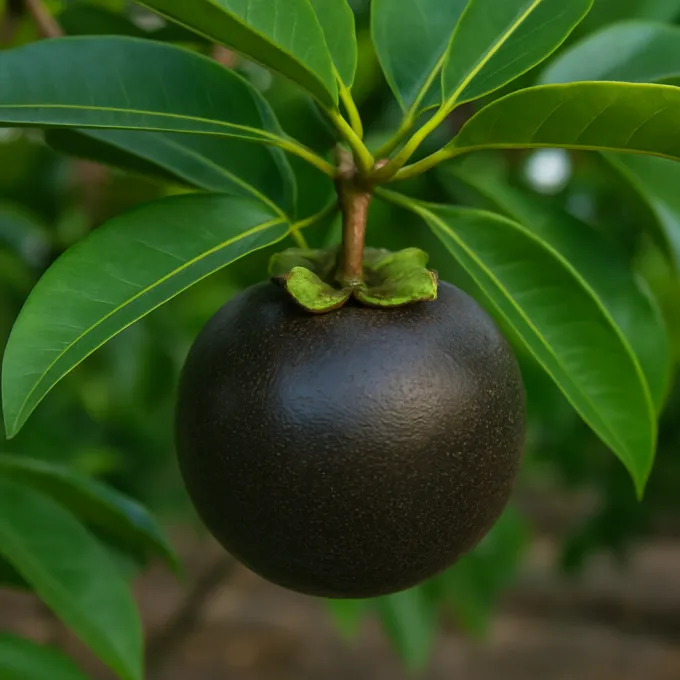
Description
Sowing dates
Black sapote (Diospyros digyna) is propagated primarily through seeds, which lose viability quickly and should be sown immediately after removal from ripe fruits. The ideal time for planting in nurseries is from the end of the dry season to the start of the rainy season to ensure better seedling survival rates.
In commercial operations, seedlings are frequently used as rootstock for grafting superior varieties, which significantly accelerates the time to maturity. Grafted trees can produce fruit within 3–4 years, while seed-grown trees may take 6–8 years to bear their first crop.
Seeds are planted in a lightweight, well-draining substrate at a depth of about 2–3 centimeters. It is critical to maintain consistent soil moisture and temperatures above +22°C to ensure successful germination within 2 to 4 weeks.
Young seedlings require shade during their first year, as direct, intense sunlight can cause severe leaf scorch. As the trees grow, they should be gradually acclimatized to more open, sunny areas of the orchard.
Transplanting seedlings to their permanent location must be done with extreme care to avoid damaging the taproot, which is highly sensitive to mechanical disturbance. A spacing of at least 10–12 meters between mature trees is essential to ensure adequate airflow within the canopy.
Growing requirements
Black sapote belongs to the Ebenaceae family and is a close relative of the persimmon. It prefers a tropical climate with a distinct wet season but shows remarkable adaptability to various soil types, including clay and limestone-rich substrates.
The crop requires full sun exposure for optimal fruit formation; however, young plants need protection from harsh solar radiation. The optimal temperature range is between +20°C and +30°C. While mature trees can withstand brief light frosts, such events often lead to reduced productivity.
The tree responds well to regular watering during dry spells. However, water stagnation in the root zone must be strictly avoided, as it encourages fungal root diseases which can be fatal to the plant.
Soils should be rich in organic matter; therefore, applying compost or well-rotted manure to the drip line is a vital part of the agronomic cycle. The soil pH should ideally remain neutral or slightly acidic.
Wind is a significant risk factor; due to the brittleness of the branches, black sapote should not be planted in highly exposed areas. The use of windbreaks or shelterbelts significantly enhances crop survival and protects the quality of the harvest.
Yield
A mature black sapote tree can produce between 100 and 200 kilograms of fruit per season under optimal care and climatic conditions. Yield depends heavily on the age of the tree, light exposure, and the regularity of sanitary pruning.
Fruit develops on the branches of current or previous growth. Following the flowering phase, which lasts for several weeks, the fruit develops slowly, reaching maturity within 6 to 8 months of fruit set.
A key challenge is the tree's tendency toward biennial bearing, where a heavy crop one year is followed by a light one or none at all in the next. Proper nutrition management and agronomic care help mitigate this cycle.
Fruits change color from bright green to olive-green or brown upon reaching maturity. Timely harvesting is essential, as overripe fruits become extremely soft, making them difficult to pack and transport without damage.
Crop quality is assessed by pulp density and sugar content. After harvest, fruits require a few days of ripening at room temperature, at which point the pulp develops the texture and flavor reminiscent of chocolate pudding.
Main diseases and pests
The primary pests affecting the crop include various lepidopteran insects, as well as scale insects and mealybugs, which feed on the sap of young shoots and foliage.
Fungal diseases, such as anthracnose, can affect both fruit and leaves under high-humidity conditions. Symptoms include dark spots that can rapidly spread across the plant if not addressed with timely treatments.
Root rots, often caused by Phytophthora pathogens, occur under conditions of waterlogging or poor soil drainage. This is considered the most serious threat, often leading to tree death because root damage is frequently detected too late.
- Scale insects (Coccidae)
- Mealybugs (Pseudococcidae)
- Anthracnose (Colletotrichum)
- Root rot (Phytophthora)
For pest management, it is recommended to use biological insecticides and prioritize regular sanitary pruning to remove infested canopy sections. Prevention centers on strict irrigation management and keeping the area around the trunk clean.
Harvesting
Harvesting is carried out manually once the fruit reaches its characteristic olive-green shade. Since the black sapote fruit is extremely soft when ripe, it requires careful handling to prevent bruising and subsequent rotting.
Harvested fruits should be placed in ventilated containers that prevent mechanical pressure between individual items. Cold storage can slightly extend the shelf life for marketing, but it is not recommended for long-distance transport.
The pulp reaches a distinctive dark, nearly black color when fully ripe, which is the origin of the plant's common name. At this stage, it is perfectly suited for culinary use in desserts, mousses, and various beverages.
Harvesting is best conducted during the early morning hours when ambient temperatures are low, which helps maintain the quality and firmness of the collected fruit. Trees can remain productive for several decades with basic maintenance.
For commercial purposes, fruits are often picked slightly under-ripe, allowing them to reach full condition at the retail point. This practice minimizes product loss during logistics and distribution operations.