
American persimmon
Diospyros virginiana L.
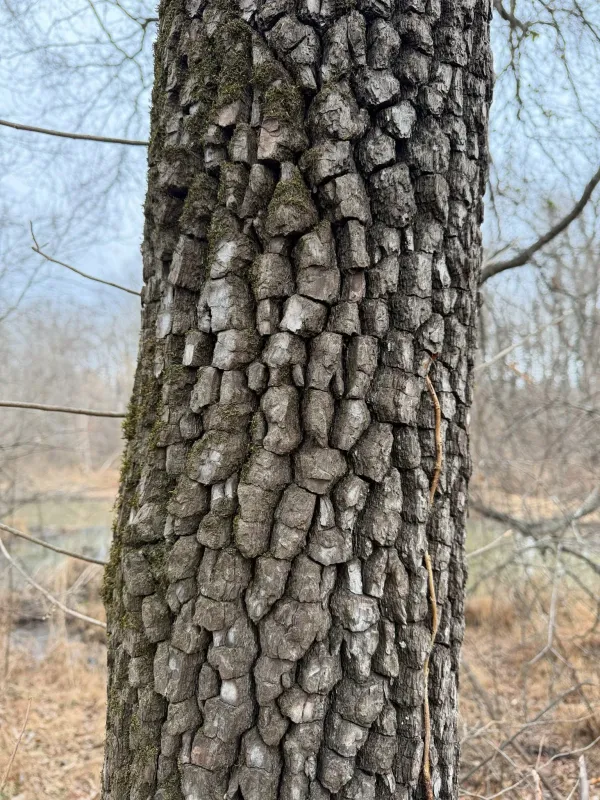
Description
Growing requirements
The American persimmon (Diospyros virginiana L.) is a deciduous tree belonging to the Ebenaceae family. It typically reaches heights of 15 to 20 meters, featuring a robust root system and a spreading canopy.
Native to the eastern and central United States, this species is highly adaptable, thriving best in deep, well-drained, fertile soils with a neutral or slightly acidic pH balance.
The primary advantage of this species is its extreme cold tolerance, allowing the tree to survive temperatures as low as -30°C to -35°C, making it an excellent choice for temperate regions.
To ensure healthy development, the tree requires full sun exposure and protection from harsh, drying winds, especially during its establishment years in the orchard.
As a dioecious species, it requires both male and female plants to be present in the vicinity to facilitate cross-pollination and ensure a successful fruit harvest.
Yield
The American persimmon is utilized for both fresh consumption and processing into various culinary goods, including jams, preserves, syrups, and fermented beverages.
While the fruits are smaller than those of the Asian persimmon (typically 2–5 cm in diameter), they are prized for their high sugar content and deep, complex flavor profile.
Beyond its culinary value, the wood of the American persimmon is highly valued for its density, strength, and dark heartwood, often used in cabinetry and specialty woodworking.
A mature tree can yield between 20 and 50 kilograms of fruit per season, provided it receives appropriate pruning and favorable environmental conditions throughout the year.
Modern breeding programs focus on selecting larger, less astringent cultivars, as wild-harvested fruits often require the onset of heavy frost to fully break down tannins.
Main diseases and pests
American persimmon is generally resistant to many pests and diseases; however, fungal issues such as leaf spot can occur if the canopy remains damp for extended periods.
Occasional infestations of scale insects or mites may affect the tree, particularly if the plant is stressed by poor soil conditions or improper watering practices.
Poor drainage is a significant risk factor, as it frequently leads to root rot, which is often fatal if not addressed through soil remediation or improved water management.
Micronutrient deficiencies, particularly iron chlorosis, can manifest as yellowing leaves, highlighting the importance of regular soil testing and balanced fertilization.
Regular maintenance, including the removal of deadwood and thinning of the canopy, is essential to prevent disease spread and improve overall orchard health.
Harvesting
The harvest period typically occurs in late autumn, once the fruits have softened significantly and transitioned from a green hue to a deep orange or dark purple color.
Patience during harvest is vital, as picking fruits too early results in a high concentration of tannins, which impart an intensely astringent taste that is unpleasant to consume.
Due to the thin skin and soft flesh of ripe persimmons, they are highly perishable and require careful handling to prevent bruising during the picking and transport process.
For commercial distribution, fruits are sometimes picked while firm and allowed to finish ripening in climate-controlled storage to maximize shelf life.
Using padded picking containers and avoiding mechanical damage is recommended to maintain quality and minimize the risk of post-harvest fungal spoilage.