
Wurfbainia villosa
Wurfbainia villosa (Lour.) Škorničk. & A. D. Poulsen
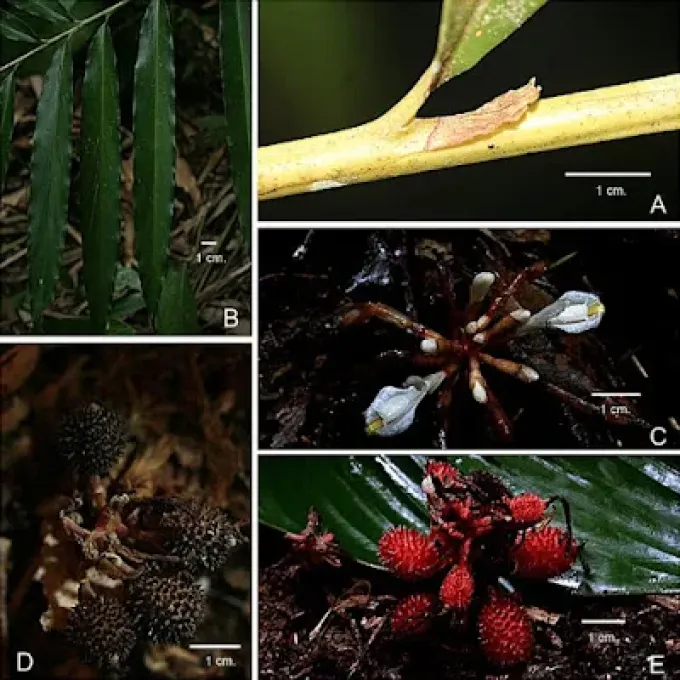
Description
Sowing dates
Vegetative propagation via rhizome division is the standard commercial method for establishing new plantings. This technique ensures genetic consistency and promotes faster establishment of the crop.
Planting usually occurs at the onset of the rainy season, allowing the rhizomes to establish their root systems before the onset of drier conditions. This significantly reduces the need for supplemental irrigation.
Spacing is a critical agronomic factor. Plants are typically placed at intervals that allow for optimal air circulation, which is essential for reducing the humidity levels within the foliage canopy.
When starting from seeds, breeders focus on collecting fresh, mature pods. Seed viability drops rapidly, so timely sowing in a temperature-controlled nursery is essential for successful germination.
Regular maintenance during the establishment phase involves careful weed management to ensure that the young plants are not outcompeted for soil nutrients and light.
Growing requirements
Wurfbainia villosa (formerly classified as Amomum villosum) is a perennial herbaceous plant belonging to the Zingiberaceae family. This crop is historically significant in Southeast Asian traditional medicine and agriculture.
The plant originates from the tropical rainforests of Southern China, Laos, and Vietnam. It flourishes in environments that provide consistent humidity, high rainfall, and shaded canopy conditions.
Optimal growth requires fertile, well-draining soil rich in organic matter. While the plant loves moisture, it is sensitive to waterlogging, which can cause significant damage to the rhizome system.
Temperatures ranging from 22°C to 30°C are ideal for the development of vegetative and reproductive structures. Any extreme cold can stunt growth and reduce the overall yield of the crop.
Botanically, it features underground rhizomes and upright leafy stems. The flowers are typically produced at the base of the plant, developing into aromatic fruit capsules that are the primary commercial product.
Yield
The yield of Wurfbainia villosa is primarily derived from its fruit capsules, which contain the essential oils used in culinary and pharmaceutical applications. Production volume increases significantly as the rhizome mat matures.
Most plantations reach a stable productive state approximately three years after initial planting. Proper management of the soil nutrients is vital for maintaining consistent yields over several years.
The quality of the final product is determined by the concentration of essential oils. Proper harvest timing, based on the maturity of the fruit, is essential for reaching market standards.
Advanced farming systems utilize specialized irrigation to maintain yield stability during shorter dry spells. This controlled environment approach helps in maximizing the harvest window for producers.
Post-harvest processing, such as careful cleaning and drying, is essential for protecting the yield from microbial contamination and preserving its volatile active compounds.
Main diseases and pests
Fungal leaf diseases are the most common threat to the crop, especially in conditions where air circulation is poor or humidity levels remain high for extended periods.
Pests like aphids and spider mites can attack the succulent leaves, particularly during the dry season. Regular monitoring is necessary to keep infestations below economic thresholds.
Root-knot nematodes can also pose a serious risk to rhizome health. Crop rotation and the use of healthy, disease-free planting material are essential preventive measures for farmers.
Integrated Pest Management (IPM) strategies are recommended to reduce reliance on chemical pesticides, ensuring the medicinal quality of the final dried product remains high.
Sanitation practices, such as removing dead leaves and infected plant parts, significantly contribute to the overall health and longevity of the plantation.
Harvesting
Harvesting is a delicate, labor-intensive process that relies on identifying the exact stage of fruit maturity. Hand-picking is the standard to prevent physical damage to the plant stems.
Care must be taken to harvest only the mature capsules, as fruit maturity within a single cluster can often be uneven. This requires multiple passes through the plantation.
Once harvested, the capsules should be sorted to remove any damaged or immature fruit. This initial sorting process is vital for maintaining the high price of the final product.
Drying is the final step in the harvest process. Temperature and airflow must be strictly controlled to dehydrate the fruit without damaging the volatile oils inside the seeds.
The final product should be packaged in dry, airtight containers to protect it from moisture, light, and temperature fluctuations during storage and international transport.