
Wolfiporia extensa
Wolfiporia extensa (Peck) Ginns
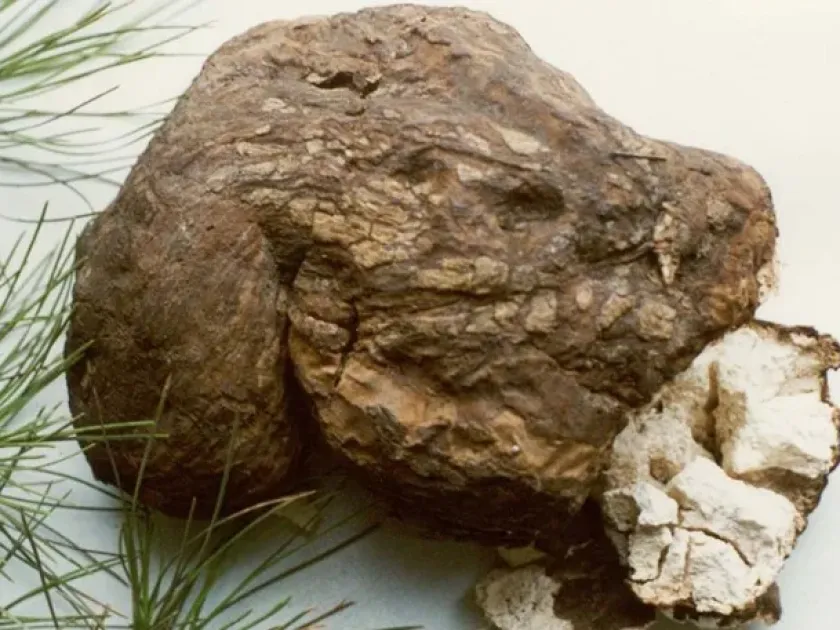
Description
Growing requirements
Wolfiporia extensa is a medicinal fungus belonging to the Polyporaceae family. In nature, it grows as a saprotroph on the roots and bases of dead or dying pine trees, forming large underground sclerotia commonly known as Fu Ling.
The successful cultivation of this fungus requires a specific substrate primarily composed of pine wood. Soil conditions must be well-drained and slightly acidic, mimicking the environment of coniferous forest floors to support vigorous mycelial growth.
Climate management is essential, as the fungus thrives in environments with high humidity and stable, moderate temperatures. Protecting the culture from extreme heat and direct sunlight is necessary to prevent the substrate from drying out prematurely.
In indoor agricultural settings, the process begins with the sterile inoculation of pine-based substrates. Maintaining a controlled environment with automated misting systems and proper ventilation is vital for the development of the fungal body.
The life cycle of Wolfiporia extensa is relatively slow, requiring significant care in the preparation of the growing environment. Farmers must ensure the wood substrate is free from competing fungal strains before introducing the pure mycelium culture.
Yield
The yield of Wolfiporia extensa is measured by the development of its dense sclerotia. Productivity is largely influenced by the size and quality of the pine wood substrate, as well as the environmental stability provided during the long growth period.
Harvesting usually involves careful extraction from the substrate to maintain the integrity of the sclerotium. Once collected, the product undergoes a rigorous drying process to ensure it meets pharmacopeia standards for purity and active component content.
Economically, this crop is highly valuable in the medicinal and supplement industries due to its rich composition of polysaccharides and triterpenes. Market demand for high-quality, cultivated sclerotia continues to rise globally.
To maximize yields, modern cultivators employ multi-stage growth cycles. By optimizing the nutritional density of the substrate and managing environmental parameters, producers can improve both the size and the quality of the harvestable product.
Sustainable production practices allow for multiple cycles within specialized growing facilities. Efficiency in harvesting is achieved by timing the growth cycle correctly, ensuring the sclerotia reach maturity without degrading the substrate too rapidly.
Main diseases and pests
Competing fungi, such as common molds and other wood-decaying species, pose the greatest threat to Wolfiporia plantations. Strict hygiene during the substrate preparation and inoculation phases is necessary to avoid contamination.
Pests, particularly fungus gnats and various mite species, can compromise the quality of the sclerotia. Implementing integrated pest management, including physical barriers and environmental controls, is essential for protecting the crop.
Improper moisture levels significantly increase the risk of bacterial soft rot within the substrate. Ensuring a drainage system that prevents waterlogging is a standard preventative measure in professional mushroom cultivation.
Nutritional imbalances in the substrate can also lead to poor development or premature senescence of the mycelium. Periodic monitoring of the pH and moisture levels helps in adjusting the environment to prevent crop failure.
Early detection of infections is critical for saving the plantation. Regular inspections and the immediate removal of any contaminated segments help prevent the spread of diseases throughout the growing area.