
Tomato
Solanum lycopersicum x Capsicum annuum
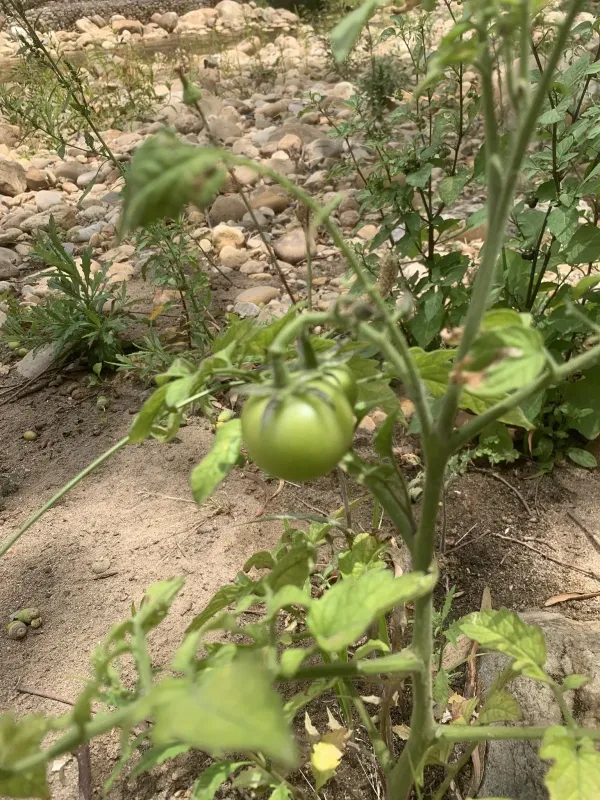
Description
Sowing dates
Tomato seeds are typically started indoors in seedling trays about 6 to 8 weeks before the last expected spring frost date in your region.
The seeds require a warm soil temperature, ideally between 22°C and 25°C, to germinate successfully within 7 to 14 days after sowing.
Once the first set of true leaves develops, seedlings should be transplanted into larger pots to encourage deeper root growth and sturdier stems.
Providing strong, direct light is essential to prevent seedlings from becoming "leggy," which can significantly weaken the plants before they reach the field.
Hardening off the plants by gradually exposing them to outdoor conditions over a week is crucial to prevent transplant shock when moving them to the garden.
Growing requirements
Tomatoes thrive in full sun, requiring at least 6 to 8 hours of direct sunlight daily to produce high-quality, flavorful fruit throughout the season.
They prefer well-draining, fertile soil rich in organic matter with a pH level between 6.0 and 6.8, which optimizes nutrient availability for the plant.
Consistent irrigation is vital, as fluctuating soil moisture levels can lead to physiological disorders such as blossom end rot and fruit cracking.
Adequate air circulation around the foliage is necessary to manage humidity levels and reduce the risk of common fungal infections in the patch.
Regular fertilization with a balanced NPK fertilizer is recommended, especially after the first fruit set, to sustain vigorous plant growth.
Yield
Yield potential depends heavily on the chosen variety, with indeterminate types often outperforming determinate ones in terms of season-long productivity.
Proper pruning and training to a trellis or stakes can improve fruit size and quality by allowing better light penetration into the plant canopy.
Maintaining a healthy root system through proper watering and soil management is the primary factor for achieving high yields in both home and commercial setups.
Pollination success, especially in greenhouse conditions, may require gentle shaking of the plants or the use of pollinators to ensure full fruit set.
Consistent picking of ripe tomatoes encourages the plant to direct its energy towards ripening the remaining green fruits instead of putting all resources into seeds.
Main diseases and pests
Blight, particularly late blight, is a major concern for tomato growers, often appearing during periods of prolonged wet and cool weather conditions.
Pests like aphids, whiteflies, and tomato hornworms can cause significant damage to the plant by feeding on leaves or transmitting viral diseases.
Integrated pest management strategies, such as using row covers and attracting beneficial insects, can help mitigate these threats effectively.
Preventative measures like mulching can act as a barrier against soil-borne pathogens and help maintain moisture uniformity around the base of the plant.
- Sanitize gardening tools regularly.
- Remove infected foliage immediately.
- Maintain proper plant spacing.
- Use resistant cultivars where possible.
Harvesting
Harvesting should be done when the fruits reach their desired color and firmness, ensuring they are picked carefully to avoid damaging the delicate skin.
For fresh eating, tomatoes are best harvested at full maturity, while for shipping purposes, they are often picked at the "breaker" stage.
Storing harvested tomatoes at room temperature is ideal for flavor, as refrigeration can degrade the texture and natural sugars of the fruit.
During the end of the harvest season, any remaining green fruits can be gathered and ripened in a dark, warm space or used for pickling recipes.
Clean and store the fruit in a cool, well-ventilated area to maximize their shelf life and prevent premature spoilage after removal from the plant.