
Kombu
Saccharina japonica (Areschoug) C.E.Lane, C.Mayes, Druehl & G.W.Saunders
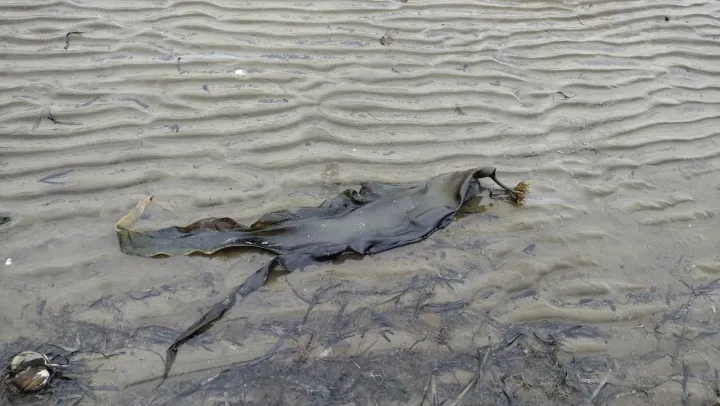
Description
Sowing dates
The seeding of Kombu, or Saccharina japonica, involves placing spore-bearing material onto specialized substrates. In commercial mariculture, this stage is referred to as setting up collectors.
Optimal timing for the process occurs in the autumn when seawater temperatures begin to drop steadily. In northern regions, this typically takes place in October or November, allowing spores to anchor securely to lines.
Artificial substrates made from synthetic fibers are used, which are pre-seeded with spores in laboratory incubators. This ensures high planting density and uniform distribution of biomass across the farm.
Strategic timing of seeding is crucial, as insufficient development of germlings before the onset of winter can lead to total crop loss due to harsh environmental conditions.
The biological life cycle of the species involves an alternation of generations, where the macroscopic blade is the sporophyte. Controlling gametophyte development in laboratory conditions allows agronomists to manage the quality of future plantations.
Growing requirements
Kombu belongs to the Laminariaceae family and has specific environmental requirements. The optimal temperature range for active growth of the blades is between 5 and 15 degrees Celsius.
The most important factor is clean coastal water with stable salinity, which should be maintained between 25 and 33 parts per thousand (ppt). Excessive freshwater inflow can negatively affect the physiological health of the crop.
Kelp requires good light penetration; therefore, plantations are typically installed at depths ranging from 2 to 10 meters. Water clarity determines the depth of light penetration needed for photosynthesis.
Continuous water currents are necessary to provide an inflow of nutrients such as nitrogen and phosphorus, essential for biomass accumulation. Stagnant zones tend to inhibit the growth of Saccharina.
Substrate conditions at the plantation site play a secondary role since the collector system is anchored to floating or bottom structures, minimizing contact with the seabed sediment.
Yield
Kombu yield is measured by the mass of raw material per meter of collector line or per hectare of water area. With proper agricultural practices, yields can reach 10–20 tons of wet weight per hectare annually.
The final yield is heavily influenced by planting density and timely thinning of the plants. Excessive density leads to competition for light and nutrients, which reduces the quality of the commercial blades.
The growth rate of Saccharina japonica can reach several centimeters per day during peak vegetation periods. Early summer is the period of maximum accumulation of organic compounds in the blade.
The efficiency of harvesting depends on the technical equipment used. Modern automated harvesting lines allow for the collection of a significant portion of the total biomass in a single cycle.
Crop quality is evaluated based on the content of iodine, alginates, and mannitol. These metrics are directly dependent on cultivation conditions and the timing of the harvest.
Main diseases and pests
The main threats to plantations include epiphytic algae and microorganisms that colonize the surface of the blades, hindering photosynthesis. This can lead to premature tissue decay.
Pests, such as sea urchins and certain types of mollusks, can cause significant damage by consuming young parts of the plant. Monitoring and controlling the population of these organisms is a mandatory protective measure.
Diseases caused by pathogenic bacteria often occur when water temperatures rise above critical levels. These manifest as necrotic spots and rot along the edges of the blades.
Pollution of the marine environment with heavy metals and oil products poses a serious danger, as seaweed has a high capacity to accumulate toxins from the surrounding water.
Storm events also pose an abiotic threat, as they can mechanically damage collector lines, leading to dislodging and the total loss of the commercial product.
Harvesting
Harvesting is performed in the second year after setting the collectors, once the blades have reached commercial size. Typically, this occurs between late spring and mid-summer.
The harvest technology involves lifting the collector lines onto a vessel for trimming. It is critical to avoid damaging the growth zone (meristem) if a secondary harvest is planned for the same season.
After harvesting, the raw material undergoes primary processing: washing away marine organisms and sand. This is followed by drying, which can be done naturally (sun-drying) or mechanically in drying chambers.
Maintaining proper drying temperature is crucial for preserving the nutritional properties of the product. Overheating leads to the degradation of valuable polysaccharides and vitamins.
Once dried, the Kombu is sorted by size and blade quality, then pressed into bales or packaged for distribution to the food and pharmaceutical industries.