
Roquefort Penicillium
Penicillium roqueforti Thom
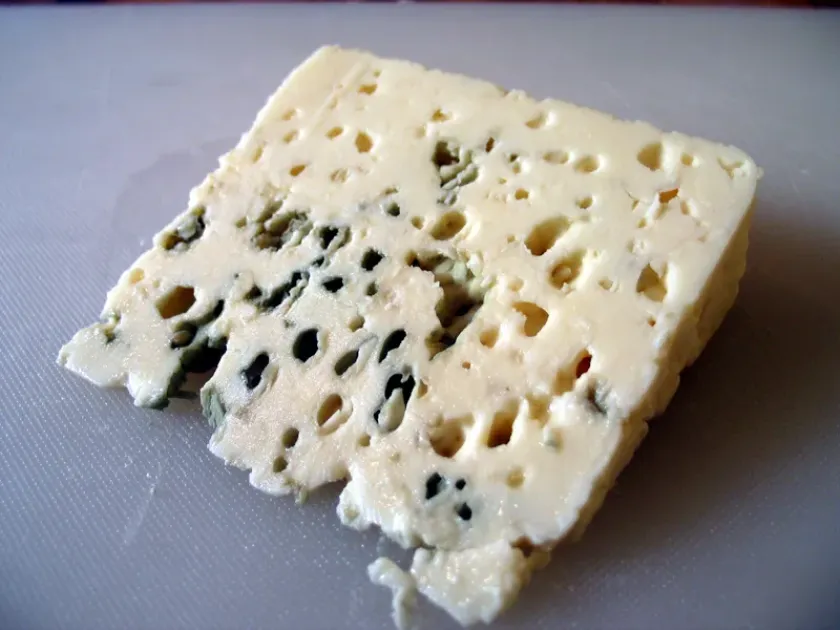
Description
Sowing dates
In cheese production, the introduction of Penicillium roqueforti spores occurs during the milk preparation phase or after curd formation. This process is essential for inoculating the substrate with the intended fungal culture.
The success of the "sowing" depends on the viability of the inoculum. High-quality starter cultures are selected for their consistent ability to develop mycelium within the dense matrix of the cheese curd.
Even distribution of spores is a key technical requirement. Improper inoculation leads to localized mold growth, which results in inconsistent flavor and texture across the cheese wheels.
After the molding process, the "sowing" is completed by the physical introduction of air. Since the fungus is aerobic, steel needles are used to pierce the cheese, creating pathways for oxygen to trigger mycelial development.
Modern biotechnology allows for the use of specific strains that optimize the timing of mold maturation, ensuring that the cheese achieves its characteristic appearance and flavor profile within a predetermined timeframe.
Growing requirements
Penicillium roqueforti is a saprotrophic fungus belonging to the Trichocomaceae family. It is highly adapted to environments with limited oxygen, making it ideal for ripening cheeses.
Temperature control is vital for the growth of this fungus. Storage chambers must be maintained between +8°C and +12°C. Higher temperatures risk rapid, unchecked growth that can degrade the structural integrity of the cheese.
Humidity is equally important, with levels typically held above 90% to prevent the drying of the cheese rind. Proper humidity ensures the continuous metabolism of the fungus within the interior of the cheese wheel.
The fungus thrives on milk fats and proteins. Through its enzymatic activity, it produces lipases and proteases that break down the curd, leading to the development of the distinct blue veins and savory taste profile.
The culture requires a controlled environment that mimics its natural niche while strictly excluding competing fungal species. This requires high sanitary standards and precise climate monitoring in ripening facilities.
Yield
The yield of Penicillium roqueforti is measured by the density and uniformity of its mycelial network within the cheese. A high-yielding culture effectively colonizes the interior without leaving unripened pockets.
Success in production is defined by the balanced rate of proteolytic and lipolytic activity. This ensures that the blue mold contributes to the flavor without causing excessive breakdown of the cheese texture.
Biotechnological advancement in strain selection allows producers to predict and control the color intensity of the veins, ranging from pale blue to deep green, which directly correlates to market quality.
Optimal results are achieved when the growth phase is synchronized with the aging process of the cheese. Efficient metabolic output from the mold leads to shorter ripening cycles, increasing overall productivity.
Quality parameters are verified through the inspection of the mold's growth at the end of the ripening period, ensuring no off-flavors or undesirable pigments are present.
Main diseases and pests
The primary threat to Penicillium roqueforti is cross-contamination by wild mold species, particularly Mucor or Aspergillus, which can compete for nutrients and spoil the product.
Pests, such as the cheese fly (Piophila casei) and cheese mites, represent a significant risk. They physically damage the cheese and introduce unwanted microorganisms that can destroy the utility of the culture.
Inadequate aeration due to clogging of the air channels in the cheese can cause localized hypoxia, leading to stagnant growth and the formation of undesirable flavors in the uncolonized parts of the wheel.
Sanitation failures in the ripening room can facilitate the growth of pathogenic bacteria, which may outcompete the Penicillium culture and cause rapid decay of the entire batch of cheese.
- Invasive contamination by non-target molds.
- Pest infestations (mites and flies).
- Oxygen starvation due to faulty aeration.
- Bacterial spoilage due to lack of hygiene.