
Scaly lentinus
Neolentinus lepideus (Fr.) Redhead & Ginns
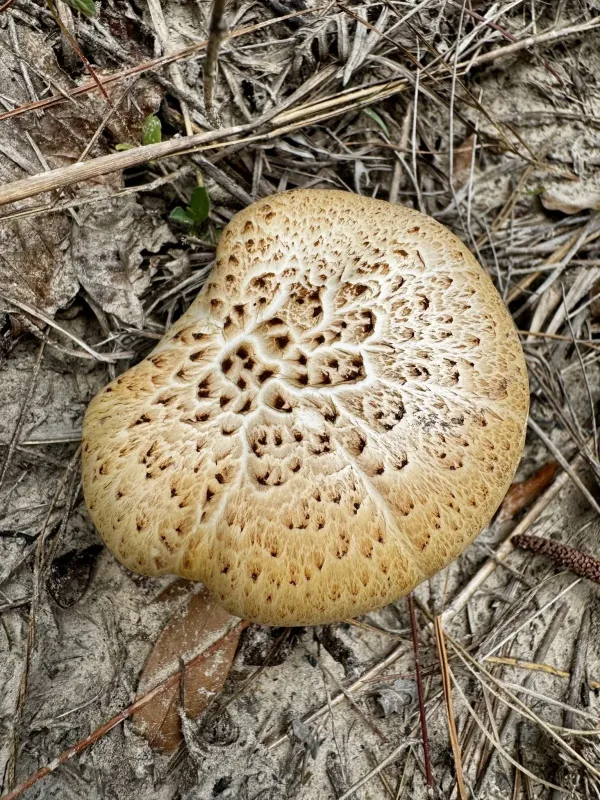
Description
Sowing dates
Cultivation of Neolentinus lepideus relies on techniques developed for xylotrophic fungi. Inoculation must be performed in controlled environments to maintain sterility and prevent contamination from mold or competing fungal species.
The standard medium for this species consists of coniferous logs, primarily pine. Logs are prepared by maintaining high moisture levels, which encourages the mycelium to establish itself deep within the wood fibers.
The ideal season for establishing outdoor logs is early spring when ambient temperatures stabilize above 10°C. This allows the mycelium to establish a robust foundation before the onset of extreme summer heat.
Intensive cultivation using sawdust blocks allows for year-round production in climate-controlled rooms. In these systems, achieving high mycelial density is crucial for rapidly colonizing the substrate and ensuring uniform growth.
The incubation period is a critical phase lasting between 2 and 4 months. During this time, maintaining stable moisture and absolute darkness is essential to ensure the healthy development of the fungal network.
Growing requirements
Scaly lentinus is a specialized saprotroph that naturally decomposes coniferous wood. For successful cultivation, the substrate must be rich in lignin and cellulose, with pine wood serving as the most effective natural medium.
A moisture level of 70–80% within the substrate is required for healthy growth. Adequate air circulation must be maintained to prevent stagnation, which could lead to wood rot or the proliferation of unwanted bacteria.
Optimal temperatures for mycelial expansion range between 15°C and 25°C. Avoiding significant temperature fluctuations is vital, as sudden changes can stall growth or trigger premature and uneven pinning.
While darkness is preferred during incubation, the fruiting phase requires diffused light. Direct sunlight should be strictly avoided as it causes dehydration of the fruiting bodies and reduces their market value.
The quality of water used for irrigation is significant. Excessive salt content in the water can accumulate in the substrate, negatively impacting the physiological processes and the overall yield of the mushroom.
Yield
The productivity of scaly lentinus is heavily dependent on the quality of the wood substrate and strict environmental control. When grown on logs, the first harvestable mushrooms typically appear in the second year after inoculation.
Peak yield is usually achieved in the 3rd to 4th year as the mycelium completely permeates the wooden logs. During this period, the yield per cubic meter of wood can be quite substantial under proper care.
In intensive sawdust block systems, yield is measured by biological efficiency, generally reaching 15–25% of the dry substrate weight. Consistent maintenance is required to reach these figures reliably.
Regular misting of the surface where primordia develop is key to maximizing yields. In dry environments, failure to supplement humidity can significantly decrease the number and size of the fruiting bodies.
To maintain long-term production, it is recommended to replace logs every five years. The progressive exhaustion of nutrients in the wood naturally leads to a decline in fungal vigor over time.
Main diseases and pests
Competing fungi, such as common molds or other wood-decaying species, pose a constant threat to plantations. Maintaining strict hygiene and high-quality spawn is essential to mitigate these risks.
Pests such as fungus gnats and flies can severely damage the quality of the fruiting bodies by laying eggs within the gills. Using fine mesh screens and integrated pest management practices is recommended.
Slugs and snails are major threats in outdoor settings, as they can devour young primordia overnight. Physical barriers like crushed gravel or salt perimeters are effective in protecting the crop.
Bacterial infections thrive in conditions of excessive moisture and poor ventilation. These infections cause dark spots and foul odors, rendering the mushrooms unfit for human consumption.
Small rodents can disrupt mycelial growth by burrowing into logs or substrate blocks. Protecting the farm area with perimeter fencing is an essential step in professional mushroom management.
Harvesting
Harvesting should occur at the stage of technical maturity, before the edges of the cap begin to curl upward and while the gills remain tight. This ensures optimal texture and flavor for the market.
Mushrooms should be cut with a sharp knife at the base to avoid damaging the internal mycelium of the substrate. Tearing or twisting is discouraged as it can disrupt the integrity of the substrate block.
The frequency of harvesting usually ranges from once to twice a week, depending on current growth rates and temperature. It is critical to harvest promptly to prevent spore release, which drains energy from the mycelium.
Post-harvest, mushrooms must be cleaned of substrate debris and cooled immediately. High metabolism rates in freshly picked mushrooms lead to rapid quality loss if they are kept at room temperature.
Once the fruiting cycle is complete, the surface of the substrate should be cleared of any remaining mushroom stumps to prevent decay and prepare the site for the next cycle of growth.