
Mycoleptodonoides aitchisonii
Mycoleptodonoides aitchisonii (Berkeley) Maas Geesteranus
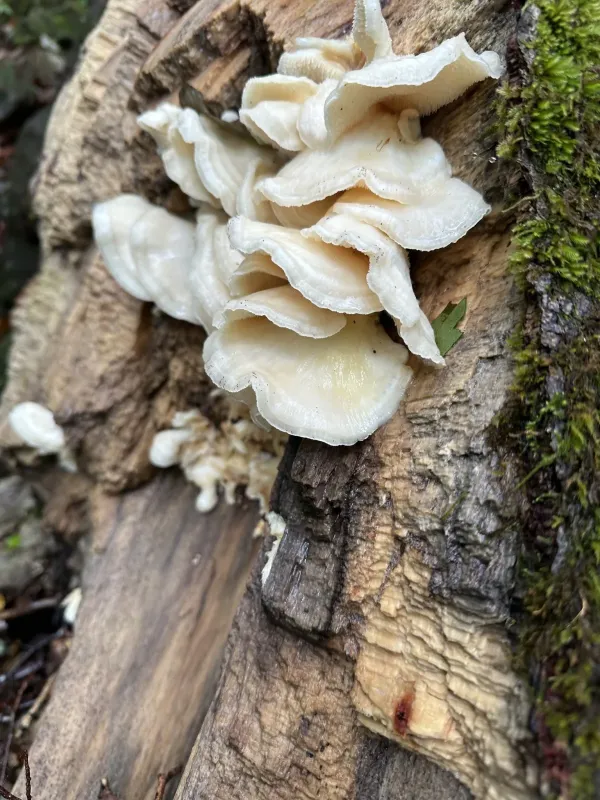
Description
Sowing dates
Mycoleptodonoides aitchisonii is a wood-decaying fungus that naturally thrives on the decaying timber of deciduous trees within temperate forest ecosystems.
For commercial cultivation, cultivators utilize synthetic substrates formulated with hardwood sawdust supplemented with nutrients to mimic the natural environment.
Inoculation of the substrate must be performed under strict aseptic conditions to prevent the growth of competitive molds that could compromise the culture.
The incubation period requires maintaining a steady temperature and dark conditions, allowing the mycelium to fully colonize the substrate blocks.
Understanding the biology of this species is essential, as it belongs to the Hydnaceae family, characterized by its unique tooth-like hymenium.
Growing requirements
High humidity levels, typically between 80 and 90 percent, are crucial for the development of healthy and well-formed fruiting bodies.
Adequate ventilation is necessary to regulate gas exchange, particularly for the removal of carbon dioxide accumulated during the active growth phase.
Light exposure should be managed carefully; while the fungus requires some light for proper development, direct and intense sunlight should be avoided.
Temperature control is a critical factor, with a shift from higher incubation temperatures to cooler fruiting temperatures being a standard practice.
Maintaining a clean cultivation environment helps ensure that the specific requirements of the species are met without interference from external pathogens.
Yield
The yield of this fungal crop is measured by the total biomass of harvested mushrooms relative to the dry weight of the substrate used in production.
Optimizing the nutritional composition of the substrate is a primary method for increasing the biological efficiency and overall output of the culture.
Multiple flushes of mushrooms can be harvested from a single block, with the first flush typically yielding the most significant quantity of high-quality produce.
Consistent environmental monitoring ensures that the fruiting bodies develop to their full potential without interruption by environmental stress.
Effective water management during the cropping phase is essential to maximize yield while preventing the saturation of the substrate.
Main diseases and pests
Contamination by aggressive fungi like Trichoderma is the most significant threat to the successful development of the mushroom culture during the incubation phase.
Pests such as fungus gnats and mites can cause substantial damage to both the developing mycelium and the mature fruiting bodies if not properly managed.
Bacterial blotch can occur in environments with poor air circulation or excess surface moisture, leading to the decay of the mushrooms before harvest.
Strict sanitation protocols, including the disinfection of equipment and the cultivation area, are vital for preventing the spread of diseases.
Integrated pest management strategies are often implemented to reduce the risk of outbreaks without relying heavily on chemical treatments.
Harvesting
Harvesting is typically performed by hand, carefully cutting the mature fruiting bodies from the surface of the substrate without damaging the mycelial network.
Timing is critical, as the mushrooms should be harvested just before they reach full maturity to prevent the release of spores and maintain texture.
Post-harvest cleaning of the substrate surface is required to prepare the blocks for subsequent flushes and to prevent the buildup of organic waste.
Proper storage temperatures are required immediately after harvest to maintain the freshness and commercial quality of the fungi for the end consumer.
The harvested product should be handled with care to avoid bruising, which can negatively affect the visual appeal and shelf life of the mushroom.