
Kappaphycus alvarezii
Kappaphycus alvarezii (Doty) L.M.Liao
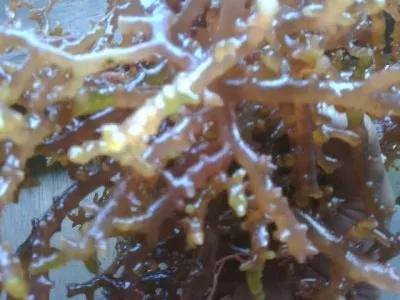
Description
Sowing dates
The cultivation of Kappaphycus alvarezii relies entirely on vegetative propagation, as the seaweed's sexual reproductive cycle is rarely observed in farm settings. Farmers use healthy thallus fragments weighing between 50 and 150 grams for propagation.
These fragments are tied to nylon or polyethylene ropes, which are then stretched across the water surface or submerged at specific depths. Spacing between the fragments is maintained at 20–30 centimeters to allow for optimal growth and nutrient uptake.
The timing of planting is highly seasonal and depends on local weather patterns, particularly water temperature and monsoon cycles. Cultivators try to schedule planting to avoid extreme temperatures and the peak of the storm season.
Successful planting requires the selection of high-quality, fast-growing thallus strains. Using robust fragments ensures a healthier crop and improves overall resistance to environmental stresses that might occur during the growing cycle.
Once secured to the lines, the seaweed absorbs nutrients directly from the surrounding seawater through its surface. Ongoing maintenance during this phase involves checking the lines for tangles and debris to ensure healthy development.
Growing requirements
Kappaphycus alvarezii is a member of the Solieriaceae family and is a long-standing staple in tropical mariculture. It thrives in stable marine environments where water temperatures range between 25 and 30 degrees Celsius.
The species requires well-oxygenated, flowing water to flourish. Ideal farm sites are typically found in shallow tropical lagoons or areas near coral reefs, with depths ranging from 0.5 to 2 meters at low tide.
High light intensity is essential for rapid biomass accumulation and efficient photosynthesis. However, extreme direct sunlight, when paired with high temperatures, can pose risks of bleaching, which negatively impacts the quality of the seaweed.
Salinity levels must remain stable, ideally between 30 and 35 parts per thousand. Significant fluctuations in salinity, often caused by heavy rainfall or river runoff, can disrupt the plant's metabolic processes and reduce carrageenan quality.
Water quality is of paramount importance, as the seaweed is highly sensitive to pollutants and excessive nitrogen levels. Clean, oligotrophic coastal waters are required to produce high-grade industrial-quality seaweed.
Yield
The yield potential of Kappaphycus alvarezii is remarkable, with biomass often capable of doubling every two weeks under ideal growth conditions. Daily growth rates typically range from 3 to 5 percent of the initial weight.
With careful management, farms can achieve an annual yield of 10 to 15 dry metric tons per hectare. Multiple harvest cycles are possible throughout the year, making it a highly productive marine crop.
Economic output is determined by the quality of the carrageenan produced, which is influenced by the growth environment and the specific strain being farmed. Consistent monitoring allows farmers to maximize production efficiency.
Harvesting is usually done by selectively removing mature sections, allowing the remaining fragments to continue growing. This regenerative capacity is a key feature that sustains long-term farm productivity without needing constant replanting.
Optimizing plant density on the ropes is a critical task for farm managers. By preventing overcrowding, they ensure that every seaweed fragment has access to the light and nutrients necessary for maximum biomass production.
Main diseases and pests
The most devastating threat to Kappaphycus farms is the 'ice-ice' disease, which causes the thallus to lose pigment and eventually disintegrate. This is usually triggered by environmental stress, such as overheating or low salinity.
Epiphytic algae pose a constant threat by competing with the crop for light and nutrients. Farmers must regularly clean the seaweed lines by hand to remove these epiphytes and prevent them from stifling the growth of the main crop.
Grazing organisms, including sea urchins, crabs, and certain fish, can significantly damage crops. These pests not only consume the biomass but also create wounds that make the seaweed susceptible to fungal and bacterial infections.
Physical destruction from typhoons and strong currents is a significant risk in tropical coastal zones. Installing robust, deep-water anchor systems is a standard practice to mitigate the loss of farm assets during storm surges.
Disease management is proactive; farmers monitor water parameters daily to identify early signs of stress. Removing affected plants immediately is the best way to stop the spread of infection throughout the farm.
Harvesting
Harvesting typically occurs 45 to 60 days after planting, once the seaweed has reached its maximum marketable size. This is a labor-intensive, manual process that requires care to minimize physical damage to the plants.
Immediately after harvest, the seaweed is washed in seawater to remove sand, shells, and other impurities. Proper post-harvest handling is critical to ensure the raw material remains in good condition before the drying process begins.
The seaweed is sun-dried on elevated drying platforms or mesh mats to reduce moisture content. This natural process requires extensive space and favorable weather to reach the target moisture level of below 35 percent.
Once dried, the product is baled and shipped to processing facilities for carrageenan extraction. Controlling the drying process is essential, as under-dried seaweed spoils quickly, while over-dried material becomes fragile.
Modern processing plants use specialized machinery to extract carrageenan efficiently. Strong logistical chains between the farm and the factory are essential to maintain the high quality required for the international food industry.