
Isaria cicadae
Isaria cicadae Miq.
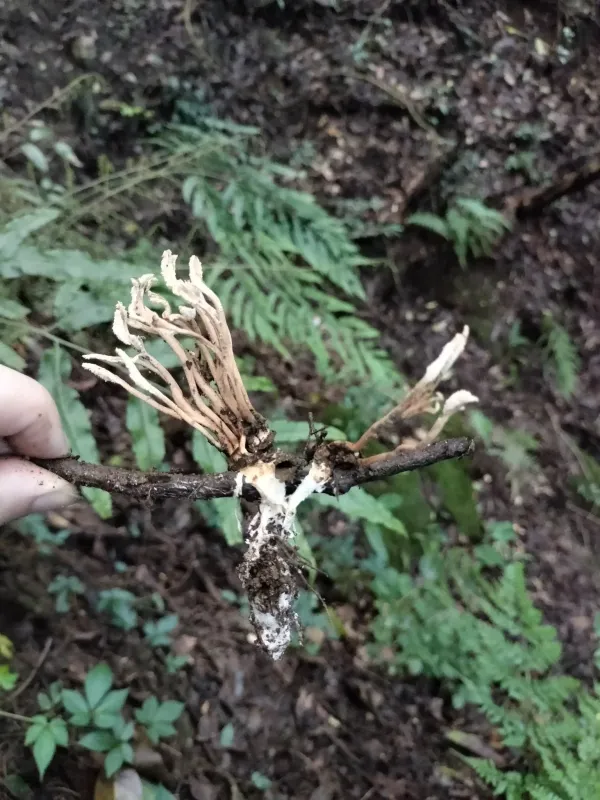
Description
Growing requirements
Isaria cicadae is an entomopathogenic fungus belonging to the Clavicipitaceae family. While not a traditional agricultural crop in the botanical sense, it is a significant biological agent cultivated in specialized laboratories for use in agricultural pest management.
Originating from humid forest habitats, this fungus is naturally adapted to survive on cicada nymphs. Its lifecycle is intrinsically linked to high-humidity environments, which is a critical factor for its successful application in various farming systems.
Optimal environmental conditions for the development of Isaria cicadae include temperatures ranging from 20 to 25 degrees Celsius and a relative humidity exceeding 80 percent. These parameters must be carefully managed to ensure the viability of the fungal spores.
In terms of field application, the fungus is typically formulated as a biological pesticide. Farmers apply the spore suspension directly onto crops, targeting specific pest populations such as aphids, leafhoppers, and whiteflies during their most vulnerable developmental stages.
The primary advantage of using this fungus is its eco-friendly nature. Unlike synthetic pesticides, Isaria cicadae acts specifically on insect targets through mechanical penetration of the cuticle, reducing the chemical load on the treated agricultural crops.
Main diseases and pests
The main threat to the efficacy of Isaria cicadae is the exposure to ultraviolet light, which can deactivate the spores within a few hours. Therefore, field applications are strictly recommended to be carried out during late afternoon or cloudy weather.
Furthermore, the presence of certain synthetic fungicides in the soil or on plant surfaces can significantly hinder the growth of the fungal mycelium. It is crucial to maintain an adequate gap between chemical spray cycles and the introduction of biological control agents.