
Elm oyster mushroom
Hypsizygus ulmarius (Bull.) Redhead
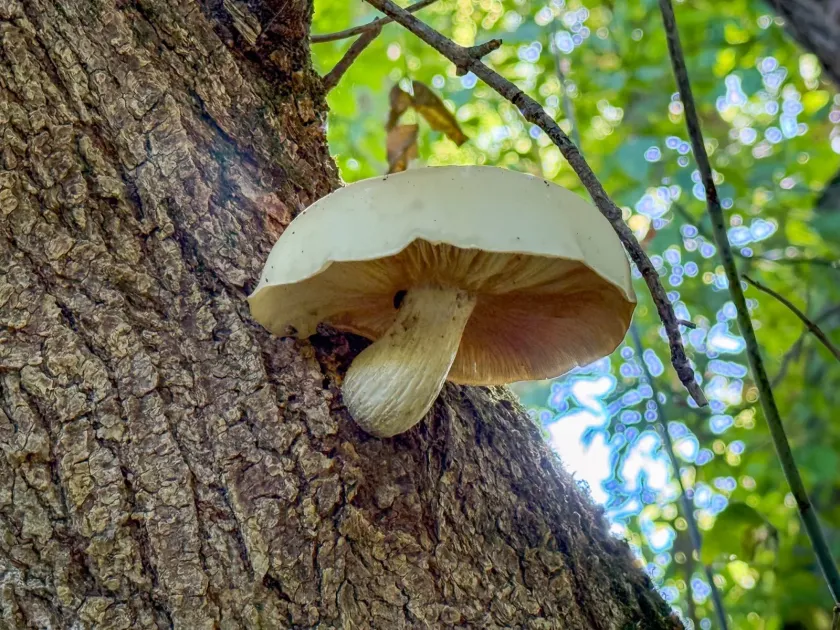
Description
Sowing dates
Cultivation of Hypsizygus ulmarius begins with the preparation of high-quality grain spawn, which acts as the foundation for the mushroom growth.
The spawn is mixed with a sterilized or pasteurized substrate consisting mainly of hardwood sawdust or agricultural residues like straw.
Inoculation must be performed in a sterile environment to prevent contamination from mold spores or bacteria that can outcompete the mushroom mycelium.
After mixing, the substrate is packed into blocks and moved to an incubation room where temperatures are kept at a steady 20–24 degrees Celsius.
During the incubation phase, the mycelium colonizes the substrate entirely, forming a dense white network that indicates readiness for the fruiting stage.
Growing requirements
As a member of the Lyophyllaceae family, the Elm oyster mushroom thrives on cellulose-rich woody materials, mimicking its natural forest habitat.
High humidity levels of 85–90% are essential for the formation of healthy fruit bodies, preventing them from drying out during rapid growth.
The fungus requires moderate, indirect light to trigger the pinning process, which helps in developing the characteristic structure of the mushrooms.
Temperature management is crucial; the fruiting room should ideally be maintained between 15 and 20 degrees Celsius to ensure optimal development.
Proper airflow is required to keep carbon dioxide levels low, which prevents the stems from becoming thin, elongated, and distorted.
Yield
The biological efficiency of Elm oyster mushrooms can range from 20% to 30%, depending on the quality of the substrate and the climate control.
Supplementing the substrate with nitrogen-rich additives like wheat bran can significantly boost the overall weight and size of the harvested clusters.
Production typically occurs in distinct waves, allowing growers to manage labor and harvest schedules effectively throughout the season.
Consistent monitoring of humidity and temperature after each harvest wave is vital to stimulate the recovery and regrowth of the mycelium.
High-yield results are typically associated with dense substrate blocks that provide ample nutrition for multiple flushes of mushrooms.
Main diseases and pests
Green mold (Trichoderma) is the most significant competitor, capable of destroying a substrate block if sterilization protocols are not strictly followed.
Mushroom flies, specifically sciarids, are common pests that can damage the developing mycelium and introduce harmful bacteria into the blocks.
Excessive humidity combined with poor ventilation creates an environment prone to bacterial blotch, which ruins the aesthetic quality of the mushrooms.
Other parasitic fungi can also colonize the substrate if the initial spawn run was slow or if the substrate quality was insufficient.
To mitigate these threats, producers use air filtration systems and rigorous sanitization schedules for all growing rooms and equipment.
Harvesting
The harvest should take place just as the mushroom caps are fully expanded but before they begin to release significant amounts of spores.
Mushrooms are harvested by cutting the entire cluster at the base or twisting it gently away from the substrate block surface.
Post-harvest care involves immediate cooling to keep the mushrooms firm and fresh, as they have a high respiration rate.
Packaging should use breathable materials to allow moisture exchange and prevent the mushrooms from becoming soggy during the distribution phase.
Elm oyster mushrooms are prized for their firm texture and mild, nutty flavor, making them a popular choice for gourmet culinary applications.