
Glebionis carinata
Glebionis carinata (Schousb.) Tzvelev
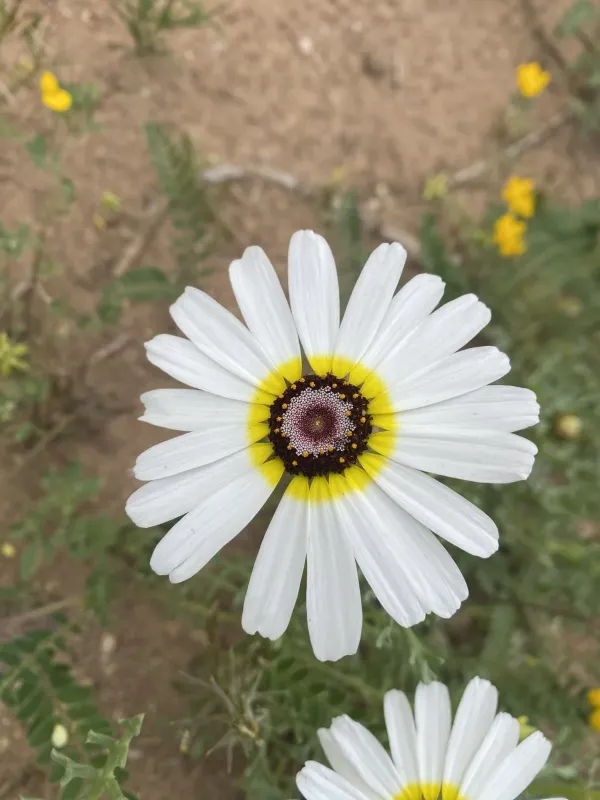
Description
Sowing dates
Glebionis carinata is a sun-loving annual that performs best when sown directly into the garden soil as soon as the danger of frost has passed in the spring.
For earlier flowering, seeds can be started indoors in individual biodegradable pots about four to six weeks before the anticipated last spring frost date.
Seeds require light for germination and should only be lightly pressed into the surface of the soil rather than buried deep, maintaining consistent moisture levels.
Once seedlings emerge, they should be placed in a bright, sunny location to prevent leggy growth and promote sturdy stem development before hardening off.
Thinning is necessary if direct sowing was done, ensuring a spacing of at least 25 to 30 centimeters between individual plants to allow for healthy air circulation.
Growing requirements
This species thrives in full sun exposure, which is critical for maintaining the intense coloration of its blooms and ensuring a profuse flowering season throughout the summer.
The plant is highly adaptable to various soil types but prefers well-drained, fertile loamy soil to prevent root issues caused by waterlogging during the growing period.
Regular watering is essential during dry spells, though the plant shows moderate drought tolerance once fully established in the garden landscape.
Balanced fertilizers should be applied sparingly, as excessive nitrogen can lead to exuberant leafy growth while significantly reducing the number of flower buds produced.
Glebionis carinata prefers cool to moderate temperatures and may suffer in extreme, prolonged heat, which can lead to early senescence of the foliage.
Main diseases and pests
Powdery mildew is a common fungal threat, particularly in humid or stagnant air conditions, appearing as white patches on the surface of the leaves.
Aphids are the most frequent insect pest, often clustering on the succulent stems and developing buds, which can lead to stunted growth and distorted flowers.
Proper spacing between plants and keeping the site free of weeds significantly reduces the likelihood of viral or fungal infections that affect overall plant health.
If infestations occur, spot treatment with insecticidal soap or neem oil is often effective without causing damage to beneficial garden pollinators.
Always remove and destroy any plant debris affected by mold or pests at the end of the season to prevent carryover of diseases to the following year's crop.
Harvesting
The flowering period can be extended by regular deadheading, which involves removing wilted flowers to redirect the plant's energy toward producing new buds.
Stems harvested for floral arrangements should be cut in the early morning when the buds are partially open, ensuring the longest possible vase life.
Seed collection should be planned for the end of the summer, choosing the healthiest plants and waiting until the seed heads have turned brown and dry.
After harvesting, the seed heads should be fully air-dried in a sheltered, well-ventilated spot before threshing to extract the viable seeds for storage.
Store cleaned seeds in paper packets within a cool, dry environment to maintain maximum viability and germination percentage for the subsequent growing season.