
Crassocephalum crepidioides
Crassocephalum crepidioides (Benth.) S. Moore
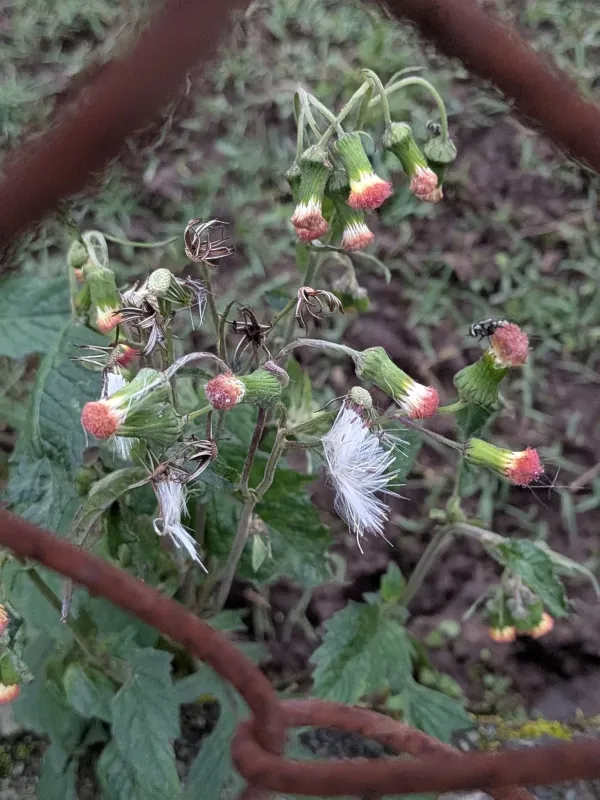
Description
Sowing dates
Crassocephalum crepidioides belongs to the Asteraceae family. It is a fast-growing annual plant that is frequently cultivated as a leaf vegetable in many tropical regions around the world.
The seeds are tiny and equipped with a pappus, which aids in wind dispersal. In an agricultural setting, seeds are sown directly onto a well-prepared seedbed, usually covered only by a thin layer of fine soil or compost.
Germination is most successful at temperatures between 20°C and 25°C. In tropical climates, the plant can be grown year-round, while in colder regions, it requires greenhouse protection or a strictly seasonal approach.
The plant demonstrates high vigor from the seedling stage. Planting densities are typically adjusted to allow for multiple harvests, with row spacing often maintained at 30 to 40 centimeters.
Due to its rapid growth rate, the first harvest can often be achieved within 4 to 6 weeks, making it an excellent candidate for intensive crop cycles and household food security.
Growing requirements
This crop thrives in loose, fertile soils that are rich in organic matter. Good drainage is essential, as the plant is susceptible to root rot if water remains stagnant for extended periods.
While the plant can tolerate a variety of soil types, it prefers slightly acidic to neutral pH levels. Incorporating organic compost before planting significantly boosts the yield of succulent leaves.
Sunlight is crucial for development; however, in regions with intense solar radiation, light shading can improve leaf texture and prevent the plant from entering its flowering stage prematurely.
Adequate water supply is the most important factor for maintaining leaf quality. Consistent moisture levels ensure that the plant continues to produce tender leaves rather than becoming bitter or fibrous.
Although it is highly adaptable, Crassocephalum performs best in warm climates with steady humidity. It is sensitive to frost and extreme cold, which can terminate its life cycle instantly.
Yield
Yields are maximized through repeated harvesting of young shoots. By pinching off the apical buds, farmers encourage the plant to produce more lateral branches, increasing the total biomass available for harvest.
The culinary quality peaks during the vegetative phase. Once the plant initiates its reproductive stage and produces flowers, the leaves tend to lose their delicate flavor and may become slightly bitter.
Nutrient management, particularly nitrogen fertilization, is key to sustained production. Regular side-dressing can maintain the vigorous growth required for continuous harvesting throughout the season.
In optimal conditions, the plant is remarkably productive. Efficient management of the harvest schedule allows for multiple cuts from the same plant, ensuring a consistent supply of fresh greens.
Total yield per hectare depends on planting density and soil fertility, but given its growth speed, it is considered a high-turnover crop in small-scale farming systems.
Main diseases and pests
The most common threats include fungal diseases such as powdery mildew, especially during periods of high humidity and poor air circulation. Overcrowding of plants increases this risk significantly.
Pests such as aphids and spider mites can infest the leaves. Because the plant is often consumed raw or lightly cooked, non-chemical pest control methods are preferred, such as mechanical removal or companion planting.
Root rot is a prevalent issue in poorly drained soils. Ensuring that the soil remains aerated is the most effective preventative measure against these soil-borne pathogens.
In some regions, the plant is considered an invasive weed because of its efficient seed dispersal mechanism. Farmers should manage the crop carefully to ensure it does not spread beyond the intended planting area.
Maintaining a clean field and following sound crop rotation practices helps to minimize the pressure from pests and diseases over several growing seasons.
Harvesting
Harvesting is typically done manually by plucking or cutting the young tender tips of the plant. This method encourages the plant to remain in a vegetative state for a longer period.
The best time to harvest is early in the morning when the water content in the leaves is at its highest, ensuring the produce remains crisp and retains its quality for as long as possible.
Post-harvest life is relatively short as the leaves are thin and prone to wilting. Keeping the harvest in a cool, shaded area or using refrigeration is necessary for successful market distribution.
The leaves should be handled with care to avoid bruising. Packaging in breathable containers or plastic bags with small perforations can help maintain the required humidity without encouraging spoilage.
Regular harvests prevent the plant from becoming too woody or setting seeds, thereby extending the duration of the productive cycle and the overall value of the crop.